
In an era where digital fatigue has become a universal experience, a refreshing cultural shift is taking place. The endless, mindless scroll through negative news feeds and curated perfection on social media is finally losing its grip. In its place, a vibrant and intentional lifestyle movement known as “Hobby-Maxxing” is surging in popularity. This trend represents more than just a fleeting fad; it is a fundamental recalibration of how we choose to spend our most precious resource: time. As we navigate through the current year, the concept of optimizing personal fulfillment through dedicated skill-building and leisure activities is transforming living rooms, garages, and community centers into hubs of genuine creativity and connection. This article delves deep into the phenomenon of Hobby-Maxxing, exploring its origins, its profound psychological benefits, and a comprehensive guide on how to effectively replace the hollow void of doomscrolling with the enriching pursuit of passion.
The Rise of Hobby-Maxxing: A Cultural Antidote
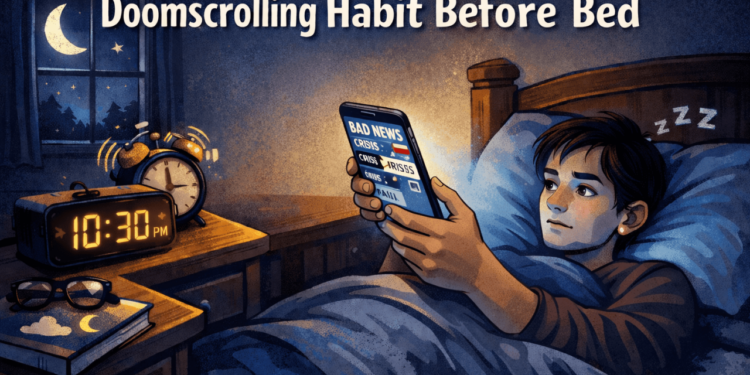
To understand why Hobby-Maxxing is resonating so powerfully, we must first examine the toxic environment it seeks to replace. Doomscrolling, the act of consuming an endless stream of negative news, has been linked to heightened anxiety, depression, and a pervasive sense of helplessness. The algorithms designed to keep us engaged often feed on our fears, creating a feedback loop that is notoriously difficult to break. However, the human spirit is resilient, and the collective desire for agency and positivity has given birth to Hobby-Maxxing.
Hobby-Maxxing is the practice of maximizing one’s potential and satisfaction through the strategic pursuit of hobbies. It is not merely about passing the time; it is about investing time to gain skills, experience flow states, and build tangible artifacts of personal effort. Whether it is learning a new language, mastering sourdough baking, building a wooden canoe, or coding a video game, the “Maxxing” aspect implies a commitment to improvement and depth. This trend gained significant traction as pandemic lockdowns forced people indoors, but it has evolved into a permanent lifestyle choice for many who realized that the digital world offered little compared to the satisfaction of physical and mental creation.
Why Doomscrolling Persists and How to Break the Cycle
Before we can fully embrace Hobby-Maxxing, it is essential to understand the addictive nature of doomscrolling. The habit is driven by a psychological mechanism known as “negativity bias,” where the human brain is wired to pay more attention to negative stimuli as a survival mechanism. Social media platforms exploit this bias to keep eyes on the screen. The unpredictability of the news feed also triggers the brain’s reward system, similar to a slot machine, making it incredibly hard to look away.
However, breaking this cycle is the first step toward Hobby-Maxxing. Here is a structured approach to detoxifying your digital habits:
A. Set Hard Boundaries: Establish specific times of the day when you are allowed to check news or social media. For instance, allow yourself 15 minutes in the morning and 15 minutes in the evening. Outside of these windows, the phone stays in another room or in “Do Not Disturb” mode.
B. Curate Your Feed: Unfollow accounts that consistently spread negativity or anxiety. Instead, follow creators who focus on educational content, art, or tutorials that align with your interests.
C. Replace, Don’t Just Remove: This is the core of Hobby-Maxxing. When you feel the urge to reach for your phone, have a physical alternative ready. Keep a book, a sketchpad, or a musical instrument nearby. The goal is to make the hobby the path of least resistance.
D. Use Screen Time Apps: Implement apps that track your usage and block access after a certain limit. These tools provide a sobering look at how much time is actually spent on the screen, often serving as a powerful motivator for change.
The Psychology of Hobby-Maxxing: Benefits Beyond the Surface
The shift from passive consumption to active creation has profound implications for mental health and cognitive function. Hobby-Maxxing is not just a way to kill time; it is a form of active meditation and self-therapy.
1. Achievement of Flow State: One of the primary benefits of deep engagement in a hobby is the experience of the “flow state,” a concept coined by psychologist Mihaly Csikszentmihalyi. This occurs when you are so immersed in an activity that time seems to disappear. Flow is characterized by a sense of focus, control, and intrinsic reward. Unlike the frantic dopamine spikes of social media, which lead to crashes, the dopamine released during a flow state is sustained and contributes to long-term satisfaction and well-being.
2. Tangible Accomplishment: Doomscrolling leaves you with nothing but anxiety at the end of the day. Hobby-Maxxing, on the other hand, leaves you with a finished product or a skill progression. Whether it is a completed painting, a new piece of furniture, or a mastered chord progression on the guitar, the tangible evidence of effort boosts self-esteem and provides a sense of purpose.
3. Stress Reduction and Resilience: Engaging in a creative pursuit lowers cortisol levels—the stress hormone. Activities like knitting, gardening, or woodworking have been shown to reduce heart rate and blood pressure. Furthermore, the problem-solving skills required in most hobbies build cognitive resilience, making you better equipped to handle real-world challenges.
4. Social Connection (IRL): While doomscrolling isolates you, many hobbies are inherently social. Joining a running club, a book club, or a pottery class allows for meaningful interactions with like-minded individuals. These in-person connections are vital for emotional health and combat the loneliness epidemic that has been exacerbated by excessive screen time.
A Comprehensive Guide to Starting Your Hobby-Maxxing Journey

Transitioning from a doomscroller to a hobby-maxxer requires planning and intentionality. It is not enough to simply want to change; you must create a system that supports your new goals. Below is a detailed roadmap to help you identify, adopt, and master a new hobby.
Step 1: Self-Assessment and Exploration
Before diving into a hobby, it is crucial to identify what genuinely interests you. Many people have been conditioned to believe they are “not creative” or “not athletic,” which is a limiting belief.
A. Revisit Childhood Interests: What did you love doing before social media consumed your life? Did you enjoy building Lego sets, drawing, playing sports, or writing stories? These childhood passions often hold the key to adult fulfillment.
B. Identify Your “Why”: Are you looking for physical activity to get fit, mental stimulation to keep your brain sharp, or creative expression to vent emotions? Defining your “why” helps narrow down the vast array of options.
C. Try the “Ice Cream” Method: Instead of committing to one expensive hobby, try a variety of low-cost activities. Spend one week trying painting, the next week trying coding, and the week after that trying cooking. This sampling method helps you find what sticks without the pressure of commitment.
Step 2: Categorizing Hobbies
Not all hobbies are created equal. They tend to fall into several categories, and understanding these can help you balance your life. To be truly “maxxed,” you should ideally have a hobby from each of the following categories:
A. Physical/Sports Hobbies: These are activities that get your heart rate up and keep your body healthy. Examples include running, swimming, cycling, yoga, martial arts, or rock climbing. These hobbies are excellent for releasing endorphins and combating the physical stagnation caused by screen time.
B. Creative/Maker Hobbies: These involve producing something tangible or artistic. Examples include painting, sculpting, woodworking, knitting, sewing, photography, and playing a musical instrument. They are vital for cognitive flexibility and emotional expression.
C. Intellectual/Learning Hobbies: These stimulate the mind and expand your knowledge. Examples include learning a new language, reading history books, studying astronomy, playing chess, or solving puzzles. These hobbies prevent cognitive decline and keep the brain neuroplastic.
D. Social/Community Hobbies: These involve interaction with others and often include a service component. Examples include volunteering, team sports, joining a choir, or participating in community theater. These hobbies foster empathy and a sense of belonging.
Step 3: The Investment Phase
Once you have chosen a hobby, it is time to invest. “Maxxing” implies a level of seriousness. This does not necessarily mean spending a lot of money, but it does mean spending time and focus.
A. Invest in the “Minimum Viable Equipment”: Avoid the trap of buying the most expensive gear immediately. For example, if you want to learn guitar, buy a decent but affordable beginner’s guitar. The goal is to start playing immediately.
B. Schedule “Sacred Time”: Block out specific time slots in your calendar for your hobby. Treat this time as non-negotiable, just like a work meeting or a doctor’s appointment. Ideally, schedule this time during the periods when you usually doomscroll (e.g., evening hours).
C. Document Your Progress: Keep a journal or a video log of your progress. Seeing your improvement week over week is a massive motivator. This documentation also serves as a tangible reminder of what you are achieving, further distancing you from the void of doomscrolling.
Step 4: Overcoming Plateaus and Frustration
The “Maxxing” part of the journey inevitably comes with frustration. When you hit a plateau or make a mistake, the temptation to revert to easy dopamine hits (like scrolling) is high. Here is how to push through:
A. Embrace the “Suck Phase”: Everyone is a beginner at some point. It is normal to be bad at something new. Accepting this “suck phase” reduces the pressure and allows you to enjoy the learning process rather than just the result.
B. Find a Mentor or Community: Join online forums or local groups related to your hobby. Having a mentor or a supportive community can provide guidance, encouragement, and accountability.
C. Break Down Goals: If a goal feels too big, break it down into micro-goals. If you are writing a book, focus on writing one page a day. If you are learning a song, focus on learning one bar at a time. Small wins build momentum.
The Technical SEO and Content Strategy Behind This Movement
From a digital marketing perspective, the trend of Hobby-Maxxing presents a massive opportunity for content creators and website owners. As we rewrite this article for maximum impact, it is crucial to understand the keywords and search intents associated with this trend. The primary keyword, “Hobby-Maxxing,” is rapidly gaining search volume, while secondary keywords like “replace doomscrolling,” “productivity hobbies,” and “mental health activities” are complementary.
To maximize Google AdSense revenue, the content must not only be high-quality and comprehensive but also optimized for user engagement signals such as Time on Page and Bounce Rate. By structuring the article with clear headings, bullet points, and a logical flow, we increase the likelihood of users reading the entire piece. Furthermore, including internal links to related topics (such as “Best hobbies for anxiety” or “How to build a routine”) can keep users on the site longer, boosting ad impressions and revenue.
Comparison Table: Doomscrolling vs. Hobby-Maxxing
To clearly illustrate the benefits of switching, let us compare the two activities side-by-side in a structured manner:
| Feature | Doomscrolling | Hobby-Maxxing |
|---|---|---|
| Primary Activity | Passive consumption of news and media | Active creation and skill-building |
| Mental State | Anxiety, stress, negativity, helplessness | Flow, relaxation, fulfillment, empowerment |
| End Product | None; wasted time and increased cortisol | Tangible skills, physical items, or knowledge |
| Social Impact | Isolation; parasocial relationships | Community building; real-world connections |
| Brain Chemistry | Short, sharp spikes in stress hormones | Sustained dopamine release; neuroplasticity |
| Long-term Effect | Cognitive decline, burnout | Cognitive resilience, improved self-esteem |
Detailed Strategies for Specific Hobby Categories
Since Hobby-Maxxing covers a wide spectrum, let’s explore deeper into specific categories to give readers actionable ideas.
Arts and Crafts (The Maker Movement)
This category is arguably the most popular for Hobby-Maxxing because of the tangible reward.
A. Resin Art: Working with epoxy resin to create coasters, jewelry, or wall art. This requires patience and precision but yields beautiful, functional items.
B. Knitting and Crocheting: Beyond scarves, modern knitters create complex garments and amigurumi (stuffed toys). The repetitive motion is highly meditative and reduces anxiety.
C. Digital Art: Using tablets and software like Procreate or Photoshop to create illustrations. Digital art combines technology with creativity and is perfect for those who are still comfortable with screens but want to create rather than consume.
Physical Fitness (The Bodily Upgrade)
Physical hobbies are essential for offsetting the sedentary lifestyle associated with office work and screen time.
A. Calisthenics: Bodyweight exercises that build strength and flexibility. It requires no equipment and can be done anywhere, making it a scalable hobby.
B. Dance: Styles range from ballroom to hip-hop to Zumba. Dance is a full-body workout that also improves coordination and musicality.
C. Hiking and Geocaching: Combining physical activity with exploration. Geocaching adds a treasure-hunt element to hikes, making it fun and engaging.
Culinary Pursuits (The Tasteful Hobby)
Food is a universal language and a very rewarding area to explore.
A. Sourdough Baking: A science and an art. Maintaining a sourdough starter, understanding fermentation, and mastering the bake is a journey of continuous learning.
B. Fermentation: Making kimchi, kombucha, or pickles. This hobby explores microbiology and yields gut-healthy foods.
C. Coffee Roasting: Buying green coffee beans and roasting them at home to perfection. It transforms the morning ritual into a skilled practice.
Maintaining Momentum: The Long Game
The initial excitement of a new hobby can fade quickly. To ensure that Hobby-Maxxing permanently replaces doomscrolling, you need to maintain momentum.
A. Habit Stacking: Attach your new hobby to an existing habit. For example, if you drink coffee every morning, stack your hobby by doing 15 minutes of sketching or reading while you drink your coffee. This creates an automatic trigger.
B. Accountability Partners: Pair up with a friend who is also starting a hobby. Hold each other accountable through weekly check-ins, but avoid using social media for this communication; use text or in-person meetings.
C. Reward Milestones: When you reach a significant milestone (e.g., finishing a painting, running a 5k), reward yourself. The reward could be a new piece of equipment or a special experience. This positive reinforcement makes the hobby feel rewarding.
D. Track “Ghost Time”: Keep track of the hours you don’t spend on your phone. In the first week of Hobby-Maxxing, you might reclaim 5 hours. By week four, that could be 20 hours. Visualizing that reclaimed time is a powerful motivator to continue.
The Societal Impact of Hobby-Maxxing
If Hobby-Maxxing becomes a widespread movement, the implications are significant. We could see a decrease in global anxiety levels, an increase in small business creation (as people monetize their crafts), and a resurgence of local communities. People will become more interesting, with unique skills and stories to share. The dependency on algorithms to determine our interests will diminish as we rediscover what makes us uniquely human.
Furthermore, the environmental impact could be positive. Doomscrolling relies on massive data centers that consume vast amounts of energy. By reducing screen time and engaging in physical hobbies like gardening or woodworking, we inherently reduce our digital carbon footprint. Additionally, making and repairing items rather than buying new ones promotes a circular economy.
Conclusion: The Time to Max Out is Now

The transition from doomscrolling to Hobby-Maxxing is not just a trend; it is a necessary evolution for the sake of our mental, physical, and social health. The digital world offered us convenience, but it has also stolen our attention and peace of mind. Hobby-Maxxing is the act of taking back control. It is an assertive declaration that we are more than consumers of information; we are creators, builders, and learners.
By following the strategies outlined in this guide from breaking the cycle of doomscrolling to investing in the “Minimum Viable Equipment” and pushing through plateaus anyone can experience the life-changing benefits of this movement. The journey of a thousand miles begins with a single step, or in this case, a single stitch, a single brushstroke, or a single note. The void left by the screen is vast, but the potential for human creativity is infinite. So, take the plunge. Turn off the notifications, silence the noise, and start maximizing your life through the power of hobbies. This year, let us trade the anxiety of the news cycle for the joy of the learning curve. Let us trade the isolation of the screen for the warmth of community. Let us trade passive doom for active creation. Hobby-Maxxing is here, and it is the most rewarding investment you will ever make.