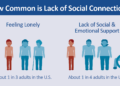

In the pre-pandemic world, the Danish notion of “hygge” (pronounced hoo-ga) captivated global audiences as a charming shorthand for coziness think candlelit rooms, chunky knit blankets, and warm drinks. It was an aesthetic of comfort, a conscious embrace of life’s simple, quiet pleasures. However, the seismic shifts brought about by global lockdowns, prolonged isolation, and pervasive uncertainty have fundamentally transformed our relationship with comfort. We have graduated from a superficial appreciation of coziness to a profound, non-negotiable need for emotional and psychological sanctuary. This is Hygge 2.0: a deeper, more intentional, and holistic philosophy of comfort designed for a world forever changed. It moves beyond mere object curation to focus on crafting resilient mental spaces, fostering genuine connection, and building sustainable habits that nurture well-being from the inside out. This comprehensive guide explores the pillars of this evolved concept, offering actionable strategies to transform your living spaces and daily routines into bastions of post-pandemic recovery and enduring peace.
The Foundational Pillars of Hygge 2.0: A Framework for Deeper Comfort
Hygge 2.0 is built upon several interconnected principles that distinguish it from its predecessor. It is less about a seasonal trend and more about a foundational lifestyle approach.
A. Intentionality Over Aesthetics: While the original hygge emphasized a certain “look,” Hygge 2.0 prioritizes purposeful action. Every element in your environment or routine must serve a specific emotional or psychological need, not just fill a visual checklist. It asks: Does this object, activity, or habit actively contribute to my sense of safety, calm, and contentment?
B. Holistic Sanctuary: Comfort is no longer confined to the physical living room. Hygge 2.0 extends its reach to the digital space (curating your online intake), the mental space (managing anxiety), and the temporal space (protecting your time). It recognizes that a cluttered phone notification center can shatter peace as easily as a cluttered room.
C. Resilience and Adaptability: Post-pandemic comfort is not fragile; it is robust. Hygge 2.0 incorporates practices that build emotional stamina, allowing you to find pockets of calm amidst ongoing external chaos. It is comfort that travels with you, from your home office to a stressful commute.
D. Authentic Connection: The forced isolation highlighted the difference between loneliness and being alone. Hygge 2.0 fiercely champions quality connection whether digital or in-person that is meaningful, vulnerable, and energy-giving rather than draining. It’s about presence, not just proximity.
Architecting Your Physical Sanctuary: A Room-by-Room Guide
Your home is the primary theater for Hygge 2.0. It must evolve from a place where you stayed to a ecosystem that actively supports your well-being.
A. The Multi-Functional Living Zone: With the blurring of work-life boundaries, this space needs dual personalities. Implement physical “shift markers” to transition from day to night. This could be a specific lamp turned on at 5 PM, folding away your work desk into a cabinet, or a particular playlist. Prioritize “textural layering”: combine a soft rug, velvet cushions, a smooth wooden side table, and a weighted blanket to engage the sense of touch, which is crucial for grounding anxiety.
B. The Nourishment-Centric Kitchen: Hygge 2.0 reclaims the kitchen as a heart of ritual, not a pitstop. Embrace the slow, sensory process of cooking the sound of simmering, the smell of herbs, the rhythmic chopping. Create a “beverage station” with curated teas, quality coffee, and infused waters, making the act of preparing a drink a mindful pause. Display functional pottery and wooden utensils to beautify the process.
C. The Restorative Bedroom: This room’s singular purpose is deep, restorative sleep and calm. Enforce a strict “no-screens” policy or use physical barriers like a charging station outside the door. Invest in supreme bedding high-thread-count, natural fibers like linen or cotton. Introduce a small, dedicated corner for a five-minute morning meditation or evening reading with a dedicated, non-blue light lamp.
D. The Micro-Sanctuary: Not everyone has a spare room. Identify a “comfort nook” a window seat, a corner of a room with a perfectly sized armchair, even a spacious closet. This is your designated, zero-stimulus zone for one comfort activity only: reading, journaling, or simply staring out the window. Its small size makes the feeling of envelopment and safety more immediate.

Cultivating Your Digital and Mental Ecosystem
In Hygge 2.0, true comfort requires managing the invisible environments that impact our psyche daily.
A. Digital Decluttering: Conduct a ruthless audit. Unsubscribe from anxiety-inducing newsletters, mute chaotic group chats, and use app timers. Curate your social media feeds to follow accounts that inspire calm (think nature photography, slow living) rather than incite comparison. Designate “sacred hours” where all non-essential devices are in airplane mode or another room.
B. Mindfulness Integration: Weave small, non-intimidating practices into your day. This is not about hour-long meditations. Try “habit stacking”: after boiling the kettle, take three deep breaths. Practice “single-tasking”: when eating, just eat. When walking, just walk. Observe sensory details. These micro-moments of presence are the bedrock of mental hygge.
C. Information Diet Curation: Just as you choose organic food, be selective about your information consumption. Designate specific, short times to catch up on news, preferably not first thing in the morning or last thing at night. Choose long-form, analytical articles over reactive social media snippets. Your mind’s peace depends on the quality of its inputs.
The Rituals of Connection and Sustenance
Hygge was always social. Hygge 2.0 refines this with greater intention and flexibility.
A. The Reimagined Gathering: Move beyond large, exhausting parties. Opt for smaller, activity-based gatherings that reduce social pressure: a soup-making evening, a collaborative puzzle, a shared crafting session. The activity provides a natural focus and eases the burden of constant conversation.
B. The “Share the Load” Meal: Replace the stressful dinner party where one person cooks for hours with a communal cooking experience. Everyone contributes one ingredient or helps with one step. The shared labor becomes the bonding experience, embodying comfort through teamwork and shared accomplishment.
C. Digital Intimacy Practices: For connecting with far-away loved ones, move beyond sporadic video calls. Create digital rituals: a weekly virtual book club, a synchronized movie watch using streaming party features, or a shared photo journal app. The ritualistic, expected nature of these connections provides emotional anchoring.
Sustaining Hygge 2.0: Long-Term Practices for Lasting Comfort
This evolved philosophy is a marathon, not a sprint. Embed these practices to ensure it endures.
A. Seasonal Alignment: Let your comfort practices flow with nature’s rhythm. In spring, focus on bringing in fresh air and flowers (forårsrengøring or “spring cleaning”). In summer, embrace outdoor hygge with picnics and evening lights. Autumn calls for baking and preserving; winter for candlelit hibernation. This alignment prevents stagnation.

B. Embracing “Niksen” (The Dutch Art of Doing Nothing): Integrate the adjacent concept of purposeful idleness. Schedule short, guilt-free periods to literally do nothing stare at the clouds, sit on a bench. This is active mental recovery, a critical counterbalance to constant productivity.
C. Investment in Quality: Adopt a “fewer, better things” mentality. Instead of ten cheap candles, invest in two made with natural soy wax and essential oils that provide better scent and burn cleaner. Choose a wonderfully comfortable chair over a trendy one. Quality items age with you and provide deeper, more consistent sensory pleasure.
D. The Comfort Journal: Maintain a simple log to note what truly worked. “Felt peaceful today after organizing the bookshelf.” “Video call with Sarah was energizing.” This creates a personalized map of your unique Hygge 2.0 triggers, allowing you to intentionally return to them during stressful times.
Conclusion: Building a Fortress of Peace in a Volatile World
Hygge 2.0 is not a retreat from the world, but a conscious, courageous construction of an inner and outer fortress of peace. It acknowledges the scars and lessons of the pandemic, transforming the basic human need for comfort into a sophisticated toolkit for modern resilience. By thoughtfully designing our spaces, curating our digital and mental inputs, fostering authentic connections, and committing to sustainable rituals, we do more than create a cozy home. We build a psychological and physical infrastructure that can withstand uncertainty, nurture joy, and provide a stable foundation from which we can engage with the world, not merely endure it. The pursuit of comfort, in its highest form, becomes an act of profound self-respect and the ultimate personal revolution.