

The annual ritual of the New Year’s resolution has long been a staple of consumer culture, a moment of collective optimism where intentions for self-improvement translate into a surge of shopping activity. Traditionally, this has manifested as a rush to purchase gym memberships, diet books, and workout gear, often followed by a rapid decline in enthusiasm as the weeks wear on. However, the landscape of wellness is undergoing a profound transformation. What was once a fleeting January trend is evolving into a permanent, year-round framework for intentional living, creating a seismic shift in consumer shopping habits that is redefining the retail industry. This is the era of “measurable wellness,” where vague aspirations are replaced by quantifiable goals, and consumers are using data, technology, and a new level of self-awareness to drive their purchasing decisions.
As we move through 2026, it is becoming increasingly clear that consumers are not just making resolutions; they are redefining success through a lens of intentional living, with financial security, holistic health, and stress management at the top of their priority lists. This shift is creating an unprecedented opportunity for brands and retailers willing to evolve from mere purveyors of goods to trusted partners in their customers’ health journeys. The modern consumer is acting as the CEO of their own health, gathering data and information for both prescriptive and preventative needs, and charting their own course of action. This article explores the powerful forces driving this change, the specific catalysts accelerating it, and the critical implications for the fast-moving consumer goods (FMCG) and retail industries.
The Mindset Shift: From Resolutions to Lifestyle Frameworks
For decades, New Year’s resolutions were often seen as whimsical, easily broken promises. Today, they are becoming a lifestyle framework for year-round wellness. This is not merely about losing weight; it is about a fundamental realignment of priorities. Consumers are increasingly viewing wellness as a long-term investment rather than a discretionary expense, a mindset shift that is influencing spending across sectors ranging from hospitality and wellness tourism to education and retail.
A significant majority of consumers are setting ambitious goals, with a 2026 survey showing that 53% of Americans have made a New Year’s resolution, and 52% are focused on improving their physical health. Similarly, a PwC survey found that 51% of global consumers are prioritizing the goal of “living longer and healthier,” with others focusing on improving mental health (44%) and sleep quality (40%). This widespread commitment underscores a societal pivot towards self-care and longevity, where the pursuit of health is no longer a niche interest but a mainstream priority.
This commitment is translating into a tangible change in shopping behavior. Consumers are actively aligning their spending with their goals rather than following fleeting trends. For instance, 64% of those focused on physical health plan to emphasize nutrition, and nearly half of all households are setting 2026 resolutions, prioritizing areas like physical and mental health, finances, and self-care. This is leading to a “back-to-basics” approach to wellness, with a strong emphasis on controllable, everyday habits such as hydration, eating more fruits and vegetables, reducing sugar intake, and cooking at home.
The Economic Paradox: Cutting Costs While Investing in Health
One of the most compelling aspects of the current consumer landscape is the economic paradox it presents. Despite widespread financial caution and a global “net intent for reduced spending” of -18 percentage points, health and wellness stands out as a defiantly resilient sector. A December 2025 CivicScience survey revealed that health and wellness is the only category among ten where consumers plan to spend significantly more, with an average increase of 13% projected for 2026. This is occurring while consumers simultaneously plan to cut back on travel, clothing, home improvement, and even beauty products.
This “trade-down” mentality is crucial for understanding modern retail strategy. Consumers are demonstrating a willingness to invest in their well-being, even as they tighten their belts in other areas. A PwC survey highlights this by noting that consumers are not just interested in products; they are seeking a broader spectrum of support, including “health insights and diagnosis” (63%), “personal guidance and behavior change” (60%), and “devices, equipment and smart environments” (54%). This indicates a shift from passive consumption to active engagement with health, creating a powerful tailwind for brands that can deliver tangible, outcomes-based solutions.
The trend is particularly pronounced in categories like groceries and nutrition. While consumers are cutting back on discretionary spending like dining out, with 37% planning to spend less on restaurants and bars in 2026, they are prioritizing spending on healthy food at home. Healthy grocery/nutrition, such as buying whole or natural foods, was the clear winner in consumer spending intent, with 50% of U.S. adults planning to increase their spending in this area. This is leading to a boom in the functional food market, driven by a more sophisticated understanding of nutrition and a willingness to pay more for targeted benefits like improved gut health, immunity, and cognitive support.
Catalyst 1: The Rise of Self-Directed Health and Distrust in Traditional Systems
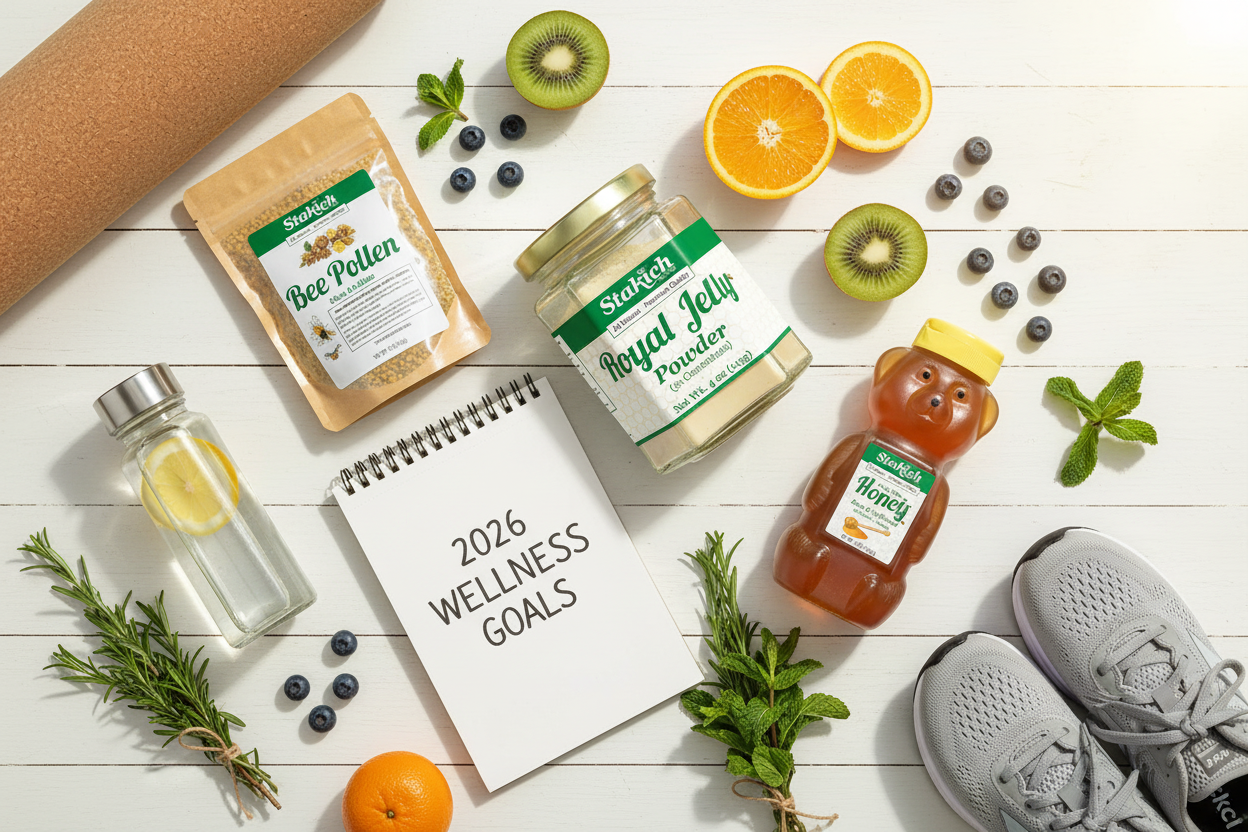
Underpinning this shift is a fundamental change in how consumers source health information and make decisions. There is a growing sense of agency among consumers, who are increasingly self-directed, intentional, and well-informed. A significant driver of this is a declining trust in traditional healthcare institutions. With healthcare costs high and access often limited, many consumers feel they cannot rely solely on the traditional system for their everyday health needs. A staggering 45% of U.S. consumers struggle to afford healthcare, and even when they can, a standard appointment may not allow for the comprehensive conversation necessary to address lifestyle habits like sleep quality or metabolic health.
In this information vacuum, consumers have turned to alternative sources. Influencers, online communities, and AI have filled the gap that physicians can’t, particularly when it comes to lifestyle habits. For instance, while doctors still lead on diagnosis and acute treatment, consumers are more likely to turn to social media creators and AI for advice on diet, nutrition, and supplements. This is leading to a market where decisions are increasingly made at the attribute and outcome level, rather than being driven by brand loyalty alone. This empowers consumers but also creates a complex environment where credibility and clarity are emerging as powerful differentiators for brands. A 2024 NIQ survey found that 62% of consumers do not trust health claims made by food companies, highlighting the need for credible, science-backed communication.
Catalyst 2: The GLP-1 Revolution and the New Wellness Priorities
The explosion in the popularity of GLP-1 medications (like Ozempic and Wegovy) for weight management has been a defining catalyst, accelerating the shift toward outcome-driven consumption. In the U.S. market alone, major brands have run Super Bowl commercials for weight loss products, signaling the mainstreaming of this trend. The impact of GLP-1 users on the broader economy is disproportionate to their household penetration (about 4.5%). Their focus on achieving results has led to a dramatic shift in spending patterns across consumer packaged goods (CPG) and consumer tech.
Even though shopping trips among GLP-1 users have declined by 6.4%, their spending per trip has increased by 15.1%, and their total annual spend is 7.7% higher than non-users. Their influence is most notable in specific categories, where they are driving demand for:
-
Protein Optimization: They are seeking high-protein, nutrient-rich foods to compensate for reduced appetite.
-
Fiber and Gut Health: To manage gastrointestinal side effects and ensure overall health, there is a surge in demand for probiotics and fiber-rich foods.
-
Nutrient-Dense Snacks: As they eat smaller meals, there is a growing demand for snackable foods and functional beverages packed with added nutrients.
A striking statistic reveals their power: despite representing just 4.5% of households, GLP-1 users drove 43% of sales growth for products with muscle health claims in a recent 52-week period. This is reshaping the grocery store, with protein-boosted versions of everything from pasta to bagels becoming commonplace. This trend represents a massive opportunity for brands to reformulate products to appeal to this high-impact consumer group while also catering to the broader population that is becoming more health-conscious.
Catalyst 3: Wearables and the Feedback Loop Economy
Perhaps the most significant driver of the “measurable wellness” trend is the proliferation of wearable technology. Once simply passive trackers, devices like smartwatches, fitness rings, and continuous glucose monitors have evolved into “always-on health companions” capable of continuous multi-sensor monitoring and delivering personalized, contextual recommendations. The category is scaling rapidly, generating $16.8 billion in global sales in 2025, a 13% year-over-year increase.
These devices are doing more than just tracking data; they are actively shaping behavior. NIQ’s data shows that 60% of consumers agree that health-focused technology products are effective in helping them improve their health and wellness. The use of wearables is directly linked to changes in shopping habits, such as increased consumption of water, protein, and fresh produce. This is the essence of the “feedback loop economy”: consumers gain real-time insights into their health metrics, set goals, see the results of their dietary choices, and are motivated to continue or adjust their purchases accordingly.
The technology is creating a bridge between intention and action. Wearables help turn vague resolutions like “eat better” into concrete targets, such as “increase protein intake to 120g per day” or “maintain a blood sugar level below 120 mg/dL.” This data-driven approach empowers consumers to measure success and makes them more likely to invest in products that help them achieve these specific goals. The impact is not just on food choices but also on sleep, stress, and exercise, creating an “architecture of modern living” where technology is integrated into every aspect of health management.
Catalyst 4: Artificial Intelligence and Agentic Commerce
The integration of artificial intelligence (AI) is further supercharging the measurable wellness trend, resetting the rules of retail and consumer decision-making. As AI becomes embedded in the shopping journey, its role is expanding from simple product discovery to actively shaping purchase decisions. This is ushering in an “agentic commerce” model where algorithms curate the path to purchase, filtering the vast landscape of products to offer hyper-personalized recommendations.
Younger generations are leading the charge in adopting AI for health decisions. PwC’s survey found that 86% of Gen Z and millennials are open to using AI for at least one daily health decision, compared to just 62% of older generations. The global embrace of AI is significant, with 61% of consumers in Asia and 75% in the Middle East stating they would turn to AI for answers when first encountering a health issue.
For consumers overwhelmed by contradictory health advice, AI-driven search engines and recommendation engines are becoming trusted intermediaries that help filter complexity. For brands and retailers, this elevates the critical importance of structured, accurate, and attribute-rich product data. In a world where AI curates the “visible shelf,” a product’s discoverability will increasingly depend on how well it is understood by AI algorithms, not just by human shoppers. This makes data management and search engine optimization (SEO) core functions of a successful wellness strategy.
Implications for Brands and Retailers: Engineering Outcomes, Not Just Selling Goods
The convergence of these trends—the rise of self-directed health, the GLP-1 effect, wearable technology, and AI—is fundamentally altering the retail landscape. For brands and retailers, the path to success lies in moving beyond the traditional model of selling products and embracing the role of engineering outcomes. Here are the key strategies for winning in this new era:
A. Reframe Merchandising Around Managed Goals, Not Product Categories
Retailers must shift from organizing shelves by product type to organizing them by consumer need states and health goals. This means creating “wellness hubs” or integrated zones where a shopper looking to improve sleep can find not just supplements, but also sleep trackers, calming teas, supportive bedding, and smart lights. For instance, retailers could curate departments based on themes like “Metabolism Matters,” “Beyond the Scale,” or “Seamless Self-Care,” integrating products from different categories to support a holistic approach to health. This approach aligns with the consumer’s desire for “intentional living” and makes the shopping journey more intuitive and supportive.
B. Embrace the Feedback Loop Economy and Integrate with Tech Ecosystems
The most forward-thinking brands will embed themselves in the “feedback loop economy,” using data and technology to turn insights into purchase triggers. This means integrating with wearable ecosystems and apps. A retailer could partner with an app to offer personalized recommendations based on a user’s biometric data. For example, if a user’s wearable indicates poor sleep quality, the retailer’s app could suggest a bundle featuring a magnesium supplement, a herbal tea blend, and a sleep mask, creating a seamless, just-in-time shopping experience.
C. Design Products for “Intentional Living” and Specific Outcomes
Product development must shift from creating generic “healthy” options to engineering products with specific, measurable benefits in mind. This is already happening with the proliferation of protein- and fiber-boosted foods. The next frontier involves developing products for more nuanced needs like cognitive health, stress management, and hormonal balance. As noted by an expert at Innova Market Insights, “Everything now is about taking this more holistic approach. It’s not just protein. It’s either a better, absorbable protein, or it’s about protein related to another benefit that’s really important”. Brands should also focus on clean labels and ingredient transparency to build trust with the increasingly skeptical consumer.
D. Prioritize Credibility and Clarity in Communication
In a market rife with misinformation, credibility and clarity are powerful differentiators. Brands must move away from vague health claims and embrace evidence-based communication. This involves simpler, science-backed signposting, clear labeling, and using credible, expert-led influencers to communicate their message. Since a significant portion of the market relies on AI and social media for health advice, brands must ensure their product data is accurate and readily available across all digital platforms.
E. Address the Barriers to Healthy Eating
Despite their good intentions, consumers face significant barriers to maintaining a healthy lifestyle, including high food costs (51%), time constraints, and taste fatigue. Retailers and brands can support their customers by addressing these obstacles. This includes highlighting value-driven promotions on healthy products, showcasing quick and delicious meal-prep solutions, and sharing flavorful recipes that make healthy eating enjoyable. By helping consumers overcome these hurdles, businesses can build loyalty and ensure that wellness goals become enduring habits.
The Future of Wellness Retail
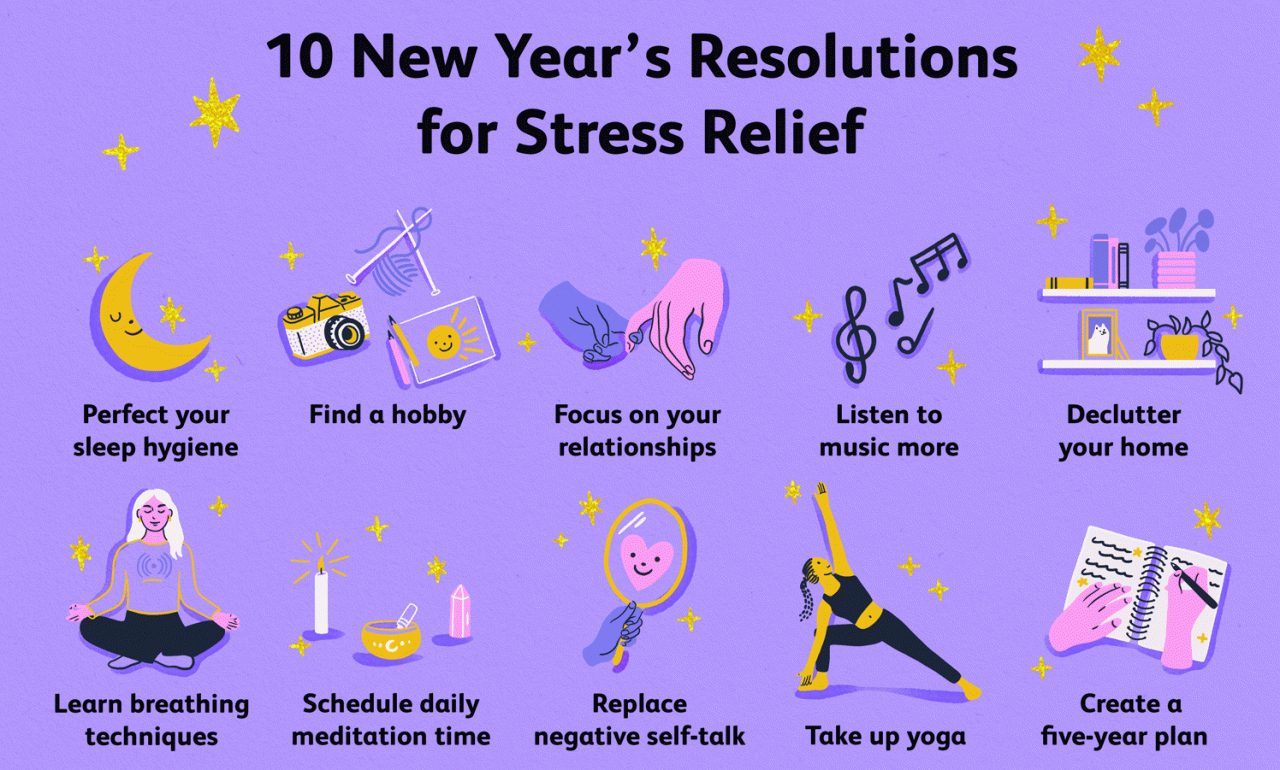
The trends reshaping the consumer landscape in 2026 are not a fleeting moment but the dawn of a new era. Health is no longer just a category on a shelf; it is an architecture of modern living that is redefining consumer identity and spending. The forces of self-direction, technology, and a new understanding of health are converging to create a powerful “wellness economy,” where the most successful brands and retailers will be those that act as trusted partners in helping consumers achieve their measured goals.
Retailers are responding to this demand by transforming their physical spaces and digital platforms into lifestyle destinations. As the retail landscape evolves, the integration of fitness, healthcare, and wellness (FHW) tenants is becoming integral to success. CBRE research highlights that assets with FHW occupiers have not only returned to pre-pandemic footfall levels but are outperforming those without by nearly 5%. This signals a shift from transactional shopping to experiential, outcome-based destinations where consumers can address their health needs at the point of purchase.
The opportunity for brands to grow and build lasting customer relationships is immense for those who can navigate this shift. By embracing data, focusing on outcomes, and building trust through transparency and credibility, companies can lead the transition from simply selling goods to engineering the health outcomes their consumers desire. The future belongs to those who recognize that the quantified self isn’t a passing fad, but the new standard for wellness and the primary driver of retail habits.