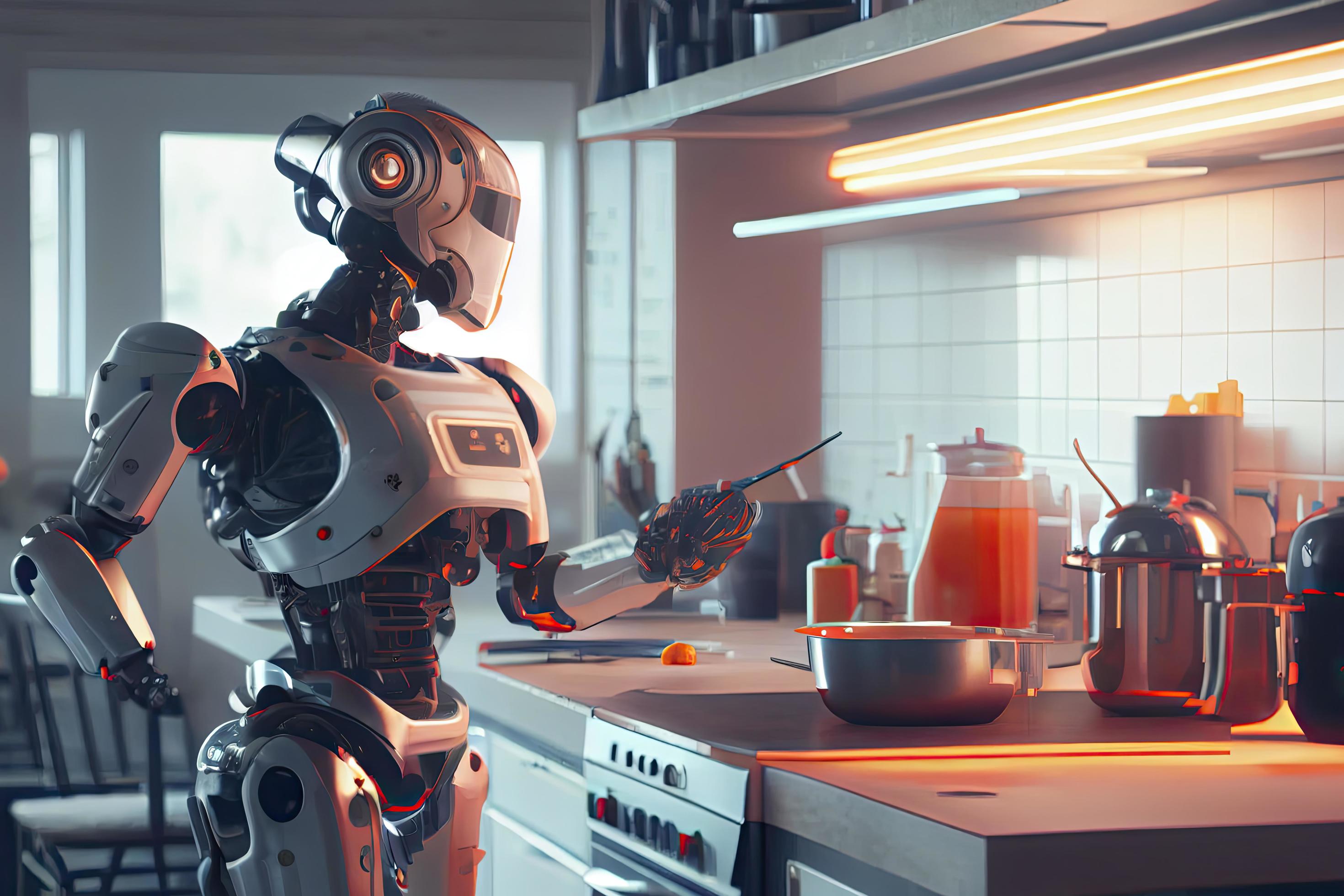
The kitchen, long considered the heart of the home, is undergoing a digital transformation more profound than the simple addition of a microwave or dishwasher. We are standing at the precipice of a culinary revolution, ushered in not by a new appliance, but by an invisible, intelligent force: the Virtual Kitchen Assistant. This debut represents a seismic shift in how we interact with food, from conception and procurement to preparation and consumption. Moving beyond simple voice-controlled timers, these sophisticated AI-powered platforms are poised to become indispensable co-pilots in our culinary journeys, promising enhanced efficiency, reduced waste, and a democratization of cooking skills. For content creators and publishers, this emerging technology niche presents a fertile ground for high-value, search-optimized content that captivates audiences and satisfies the algorithms of platforms like Google AdSense.
Understanding the Virtual Kitchen Assistant Ecosystem
At its core, a Virtual Kitchen Assistant (VKA) is an integrated artificial intelligence system designed to manage, guide, and streamline all kitchen-related tasks. Unlike a single smart device, it is a cohesive ecosystem, often cloud-based, that connects via voice, smartphone apps, and integrated displays across your existing and new smart appliances. Think of it as a personal sous-chef, nutritionist, inventory manager, and grocery shopper, all rolled into one digital entity.
The technology leverages several key pillars:
A. Advanced Natural Language Processing (NLP): This allows for intuitive, conversational interaction. You can ask, “What can I make with chicken thighs, spinach, and feta cheese that’s ready in under 30 minutes?” and receive a curated, viable recipe.
B. Computer Vision: Integrated via smartphone cameras or smart fridge cameras, this technology can identify food items, assess their freshness, and even read barcodes for seamless inventory logging.
C. Machine Learning & Predictive Analytics: The assistant learns your dietary preferences, cooking habits, family size, and schedule. Over time, it proactively suggests meal plans, predicts when you’ll run out of staples, and tailors recipe recommendations.
D. IoT (Internet of Things) Integration: The true power is unleashed when the VKA communicates with your smart oven, cooker, scales, and fridge. It can preheat the oven to the correct temperature, guide you through recipe steps on a smart display, and adjust cooking times based on weight measurements.
The Multifaceted Benefits: Beyond Simple Convenience
The value proposition of a VKA extends far beyond hands-free recipe reading. Its impact touches on time management, financial savings, health, and environmental sustainability.
A. Masterful Meal Planning and Recipe Discovery
Recipe fatigue is a real phenomenon. Virtual Kitchen Assistants shatter this monotony by offering hyper-personalized meal planning. By analyzing your pantry inventory, dietary restrictions (e.g., keto, gluten-free, vegan), and past preferences, the AI generates weekly meal plans that optimize ingredient use. This eliminates the endless scrolling through irrelevant recipes. For SEO-focused content, creating articles like “How AI Meal Planning Saves 3 Hours a Week” or “Gluten-Free Dinner Plans Generated by AI” targets long-tail keywords with high user intent.
B. Precision Grocery Shopping and Inventory Control
Food waste is a massive global and household issue. A VKA acts as a real-time pantry and fridge monitor. Using computer vision, it tracks what you have and, crucially, tracks expiration dates. It can generate precise shopping lists, automatically categorized by grocery store aisle, ensuring you buy only what you need. This translates to direct cost savings and a reduced carbon footprint. Content exploring “How AI Cuts My Grocery Bill by 20%” or “Reducing Food Waste with Smart Kitchen Tech” is highly shareable and addresses common consumer pain points.
C. Interactive, Step-by-Step Cooking Guidance
For novice cooks, the intimidation factor is real. A VKA demystifies the process by providing interactive, step-by-step guidance. On a smart display, it can show technique videos for the current step, verbally confirm when you’ve added an ingredient, and control connected appliances. “Lower the heat to a simmer now,” it might instruct, adjusting your smart hob automatically. This hands-on tutoring builds culinary confidence and skill, a perfect topic for engaging tutorial content.
D. Dynamic Dietary and Health Management
For individuals managing specific health goals or conditions, the VKA becomes a powerful ally. It can calculate nutritional information for any adapted recipe, track macronutrient intake, and suggest meals that align with health objectives like weight loss or managing diabetes. This positions the technology not just as a convenience, but as a legitimate health and wellness tool, opening content avenues in the lucrative health-tech crossover space.
E. Seamless Integration and Kitchen Orchestration
The ultimate promise is a fully synchronized kitchen. Imagine starting a recipe: the VKA preheats the connected oven, reminds you to take the salmon from the smart fridge (which has been monitoring its freshness), guides you through prep on a countertop display, and starts a connected rice cooker at the perfect time so all components finish simultaneously. This “orchestration” content, highlighting futuristic scenarios, drives high user engagement and time-on-page, key metrics for AdSense performance.

Current Market Leaders and Implementation Models
The VKA landscape is evolving rapidly, with players approaching from different angles.
A. Dedicated Hardware Hubs: Companies like Amazon (with Alexa Show devices) and Google (Nest Hub) are positioning their smart displays as central kitchen command centers, heavily integrating recipe skills and basic food management features.
B. App-Based Platforms: Standalone applications such as Mealime and Paprika offer advanced meal planning and recipe management, acting as software-first VKAs that can later integrate with hardware.
C. Appliance-Embedded AI: High-end appliance manufacturers are building AI directly into ovens, refrigerators, and cooktops. Samsung’s Family Hub fridge and Whirlpool’s smart ovens feature cameras and suggestion algorithms, acting as independent nodes in a larger ecosystem.
D. Comprehensive Ecosystem Plays: This is the future gold standard. Companies like Innit and SideChef are partnering with appliance makers and grocery chains to create end-to-end platforms that handle everything from recipe discovery and cooking to automatic grocery ordering.
Addressing Challenges and Privacy Considerations
No technology is without its hurdles. For widespread adoption, VKAs must overcome:
A. The High Cost of Entry: A fully integrated smart kitchen requires significant investment in new appliances, which is a barrier for many.
B. Data Privacy and Security: The assistant collects highly sensitive data: your eating habits, health goals, family routines, and even images of your home. Robust, transparent data policies and local processing options are non-negotiable for user trust.
C. Standardization and Interoperability: The current market is fragmented. An Amazon-based VKA might not seamlessly control a Samsung fridge and a LG oven. Universal standards (like Matter, emerging for smart home tech) are crucial for a cohesive experience.
D. Preserving the “Human Touch” of Cooking: Critics argue that over-reliance on AI could diminish the creative joy and intuition of cooking. The most successful VKAs will augment, not replace, the human chef, leaving room for experimentation and personal flair.
The Future on the Horizon: Predictive Cooking and Hyper-Personalization
The trajectory points toward even more profound integration. We are moving toward:
-
Predictive Cooking and Auto-Replenishment: The VKA will not only suggest meals but, with permission, automatically order missing ingredients for same-day delivery when you confirm a recipe.
-
Advanced Health Syncing: Integration with wearable health tech (Apple Watch, Fitbit) could allow the VKA to suggest meals based on your daily activity level, stress, or even blood glucose trends.
-
Augmented Reality (AR) Guidance: AR glasses could project recipe instructions, temperature gauges, and timers directly onto your field of vision, keeping your workspace completely clear.
-
Social and Community Features: Sharing successful AI-generated meal plans or recipe adaptations within the platform’s community, creating a crowd-sourced, AI-curated cookbook.
Creating SEO-Optimized Content for the Virtual Kitchen Niche
For website owners and bloggers, this topic is a treasure trove. To rank well and monetize effectively via Google AdSense, consider these content strategies:
A. Target Long-Tail Keywords: Move beyond “virtual kitchen assistant.” Focus on specific user queries: “best AI app for gluten-free meal planning,” “how to connect Instant Pot to Alexa for recipes,” “smart fridge with camera that tracks expiration dates.”
B. Create In-Depth Comparison Content: “Google Nest Hub vs. Amazon Echo Show 15 for the Kitchen: 2024 Ultimate Comparison” – these pieces attract high commercial intent and are perfect for display advertising.
C. Produce “How-To” Guides and Tutorials: “How to Set Up a Zero-Waste Kitchen Using AI” or “Step-by-Step: Automating Your Weekly Meal Prep with Paprika.” Tutorials have evergreen value and high user engagement.
D. Leverage Expert Reviews and First-Hand Experience: Detailed, long-form reviews of specific VKA devices or apps, complete with personal anecdotes, pros/cons lists, and high-quality images/videos, build authority and trust.
E. Explore the Intersection with Lifestyle Topics: Write about “How a Virtual Kitchen Assistant Saved My Family Dinner Time” or “Cooking for a Diabetic Family with AI Help.” This connects technology to relatable human stories, broadening your audience.
The debut of the Virtual Kitchen Assistant marks more than a tech trend; it signifies a fundamental rethinking of domestic life. By absorbing the logistical burdens of meal management, these intelligent systems free up our most precious resource: time and mental bandwidth. They promise a future where cooking is less of a chore and more of a creative, healthy, and enjoyable pursuit, accessible to all regardless of skill level. For the savvy content creator, documenting this revolution offers a pathway to providing immense value to an eager audience, all while building a sustainable, search-optimized, and advertiser-friendly content hub. The kitchen of the future is intelligent, responsive, and personal, and its story is just beginning to be written.