In an era where digital consumption has reached unprecedented levels, a refreshing counter-movement has emerged that is reshaping how people spend their leisure time. Hobby-maxxing, the intentional practice of replacing passive screen time with hands-on, skill-based activities, has become one of the most significant lifestyle trends of 2026. This movement represents a deliberate revolt against the pervasive habit of doomscrolling—the compulsive consumption of negative news and social media content that has become a modern psychological epidemic .
The term has gained substantial traction across social media platforms, with users showcasing packed weekly calendars filled with pottery classes, knitting sessions, baking experiments, gardening projects, and movement-based communities. This cultural shift reflects a broader societal push toward analog living, creative self-expression, and routines specifically designed to support mental health and overall well-being .
Understanding Doomscrolling and Its Detrimental Effects
To fully appreciate the significance of hobby-maxxing, it is essential to understand what it replaces. Doomscrolling refers to the habit of spending excessive time scrolling through social media feeds and consuming overwhelmingly negative content, including news about political chaos, celebrity scandals, and crisis updates . What often begins as a harmless mental reset or brief distraction quickly spirals into hours of compulsive scrolling that leaves individuals feeling more anxious, drained, and disoriented than before .
The psychological mechanism behind doomscrolling is rooted in what psychologists call “negativity bias”—our natural inclination to focus more on threats and negative information, which historically served as a survival mechanism . Social media algorithms exploit this tendency by learning our engagement patterns and adjusting feeds to maximize time spent on platforms, often by presenting increasingly negative or sensational content . Each new piece of content triggers small dopamine releases in the brain’s reward system, creating an addictive cycle that makes it difficult to stop scrolling even when the content causes distress .
The consequences of chronic doomscrolling are significant and well-documented. Research indicates that this habit can lead to increased anxiety and depression, cognitive overload, decision fatigue, sleep disruptions, and reduced focus and productivity . According to a survey by Payless Power, the average employee spends approximately 3.5 hours per week doomscrolling during work hours, translating to an estimated $5,600 per employee per year in lost productivity . The Nuffield Health’s 2024 Healthier Nation Index further revealed that 71% of young working professionals use social media to consume negative or anxiety-inducing content, significantly impacting their mental energy and overall job performance .
The Science Behind Hobby-Maxxing and Mental Health
The hobby-maxxing trend is not merely a cultural phenomenon; it is firmly supported by scientific research demonstrating the profound benefits of hands-on activities for mental and physical health. A comprehensive 2022 study published in the National Library of Medicine identified more than 600 distinct ways that leisure activities can affect human health . Researchers found that hobbies can support the endocrine, immune, and central nervous systems, with stronger biological system function potentially reducing the risk of heart disease, stroke, dementia, and certain cancers .
Mental health benefits are particularly compelling. According to a 2023 poll by the American Psychiatric Association, 71% of participants who reported “very good” or “excellent” mental health engaged in creative activities more frequently than those reporting lower mental health status . Research suggests that if the hobby involves artistic expression, spending two or more hours per week on it provides the strongest well-being benefits .
The cognitive advantages of hobby engagement are equally noteworthy. A study published in the Journal of Cognitive Enhancement found that older adults with mild cognitive impairment who participated in cognitively stimulating hobbies like word games and puzzles demonstrated better memory, attention, and processing speed compared to those who did not engage in such activities . This finding has significant implications for aging populations, providing a compelling argument for replacing screen time with mentally engaging activities.
Understanding the Mechanism: Why Mindful Hobbies Break the Doomscrolling Cycle
The effectiveness of hobby-maxxing in combating doomscrolling can be attributed to several psychological and behavioral mechanisms. When individuals engage in mindful hobbies, they experience a state of “flow”—a psychological concept describing complete immersion in an activity where time seems to disappear . This flow state serves as a powerful antidote to the hours lost to mindless scrolling.
A. Positive Attention and Engagement
Mindful hobbies require focused attention and active participation, making it physically and mentally difficult to simultaneously reach for a phone. When hands are busy with knitting needles, pottery clay, or gardening tools, the temptation to scroll diminishes significantly. Creative activities that demand concentration naturally pull attention away from digital distractions and into the present moment .
B. Calming and Meditative Effects
Many creative hobbies involve repetitive physical actions that many practitioners describe as meditative and calming. These activities support healthy emotion regulation—the ability to manage and respond to emotional experiences effectively. By soothing the nervous system, mindful hobbies can counteract the tension and anxiety triggered by doomscrolling, providing a genuine mental reset rather than the illusory break that scrolling provides .
C. Tangible Achievement and Control
Doomscrolling often leaves individuals feeling a loss of control and a sense of wasted time. In contrast, mindful hobbies provide concrete, tangible results—a completed drawing, a knitted scarf, a freshly baked loaf of bread, or a thriving garden bed . This sense of achievement is considered one of the core ingredients of psychological well-being and serves as a key remedy to the distress caused by doomscrolling.
D. Stress and Anxiety Reduction
Research has demonstrated that even brief engagement in creative activities can significantly reduce stress and anxiety. Just ten minutes of regular mindful coloring, practiced at least three times per week for two weeks, has been shown to reduce stress, anxiety, and feelings of low mood while improving overall quality of life . Creative hobbies can significantly lower levels of cortisol, the stress hormone, promoting a genuine sense of relaxation and well-being.
E. Community and Belonging
Engaging in a new hobby opens doors to communities of people with similar interests, whether online or in person. Platforms like Ravelry (knitting), Goodreads (reading), and Strava (fitness) have millions of members who connect over shared passions . This sense of belonging is linked to better well-being and provides positive social interactions that contrast sharply with the often toxic or anxiety-inducing interactions on general social media platforms.
Popular Activities in the Hobby-Maxxing Movement
The hobby-maxxing trend encompasses a diverse range of activities, catering to various interests, skill levels, and personal preferences. What unites these activities is their hands-on nature and their ability to provide meaningful engagement away from screens.
A. Creative and Artistic Pursuits
Pottery classes have become particularly popular, offering tactile engagement and the satisfaction of creating functional objects. Watercoloring and painting provide creative expression through color and form. Drawing, whether through traditional methods or digital art, offers a low-stress creative outlet that can be practiced almost anywhere . Hip hop dance and other movement-based classes combine physical activity with creative expression and social engagement.
B. Textile and Fiber Arts
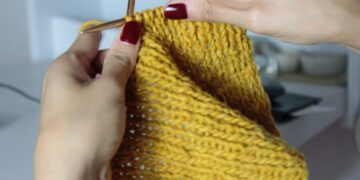
Knitting and crocheting have experienced a significant resurgence, driven in part by the hobby-maxxing movement. These activities offer repetitive, soothing movements along with the satisfaction of creating wearable or usable items. Learning through online tutorials has made these crafts more accessible than ever, allowing beginners to start with simple projects and gradually progress to more complex creations .
C. Culinary Arts
Baking and cooking have become central to the hobby-maxxing lifestyle. The process of creating food from scratch provides tangible results, engages multiple senses, and offers the added benefit of sharing creations with others. Sourdough starters, elaborate cookies, and experimental recipes have become popular projects that combine skill development with the pleasure of delicious outcomes .
D. Gardening and Nature-Based Activities
Gardening connects practitioners with nature while providing physical activity and the satisfaction of nurturing living things. Volunteer gardening and community gardens add a social dimension to the activity. The slower pace of gardening aligns well with the “nonna-maxxing” trend, which emphasizes domestic rituals and slower living .
E. Movement and Fitness Communities
Running clubs, Pilates classes, and surf lessons combine physical health benefits with social connection. Platforms like Strava have transformed fitness tracking into a social experience where communities form around shared activities and personal connections develop alongside training data .
F. Nostalgic and Collecting Hobbies
Millennials, in particular, have embraced a return to childhood hobbies. Legos, Pokémon card collecting, Magic: The Gathering, and tabletop games have shown up on adult shopping lists again . As one Reddit user noted, “I’ve read that the best way to find joy as an adult is to do the things that brought you joy as a kid” .
The Nostalgia Factor: Millennials and the Return to Childhood Joys
An interesting dimension of the hobby-maxxing trend is its strong nostalgic component, particularly among millennials who are deliberately reconnecting with activities that brought them joy before adulthood took over. On Reddit threads, users have noted the increasing number of adults reverting to childhood hobbies such as Legos, card collecting, and gaming .
This return to childhood passions represents more than simple nostalgia; it reflects a recognition that the activities that brought genuine joy in earlier years may hold the key to rediscovering happiness in adulthood. The connection between childhood joy and adult fulfillment has been noted by psychologists and wellness experts, who suggest that reconnecting with these early passions can be an effective pathway to improved mental well-being .
Digital Platforms Supporting the Hobby-Maxxing Movement

Interestingly, the hobby-maxxing trend has not required complete abandonment of digital platforms. Instead, it has shifted where and how people spend their online time. Niche platforms built around specific interests are scaling rapidly as more people look for community around their pursuits .
A. Ravelry
This social network for knitters has amassed more than 9 million users, providing patterns, forums, and community connections for fiber artists of all skill levels .
B. Goodreads
With over 150 million members, this platform serves as the home base for book clubs and reading goals, connecting readers with recommendations and discussions about their favorite books .
C. Strava
Originally built for runners, cyclists, and hikers, Strava has increasingly become a social platform where fitness communities form and personal connections develop alongside training data. Users share routes, encourage each other, and build relationships through shared physical activities .
Practical Steps for Implementing Hobby-Maxxing
For those interested in breaking the doomscrolling cycle through hobby-maxxing, experts recommend several practical strategies to increase the likelihood of success.
A. Start Small and Achievable
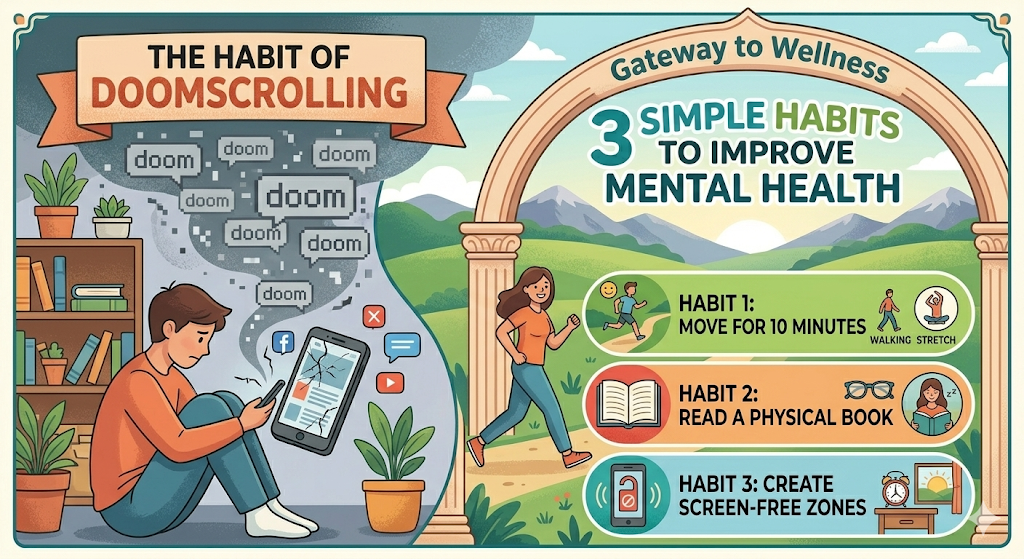
Actively setting a small and achievable change in behavior can increase success in building new, positive habits. Beginners should choose a simple project that is not too difficult to complete—such as coloring a single page, knitting a small square, or baking a simple recipe. Setting a goal to spend 10-20 minutes per day on a hobby before reaching for the phone can create early, achievable wins that lead to a sense of accomplishment and maintain motivation .
B. Establish Boundaries Around Phone Use
Creating “no-phone zones” and making dedicated time for hobbies helps remove the temptation to scroll. This might mean designating certain areas of the home as screen-free or setting specific times of day for hobby activities. These boundaries create a more calm environment for engaging in creative pursuits .
C. Practice Presence and Mindfulness
When engaging in a hobby, practitioners should make a conscious effort to notice the colors, textures, and movements involved in their activity. If the mind starts to wander toward digital distractions, gently bringing focus back to the activity at hand can deepen the experience and maximize the stress-reducing benefits .
D. Join a Community
Whether online or in person, connecting with others who share similar hobbies can increase the sense of belonging and make the experience more enjoyable. This connection can also promote more positive online interactions compared to the typically negative content encountered during doomscrolling .
Broader Implications for Health and Society
The hobby-maxxing trend carries implications that extend beyond individual well-being to broader societal and health outcomes. The movement represents a shift in how people value their time, prioritizing hands-on engagement over passive consumption .
Healthcare professionals have recognized the potential of hobby engagement as a preventive health measure. The reduction in stress hormones, improved cardiovascular health, and enhanced cognitive function associated with regular hobby participation could significantly reduce healthcare costs and improve quality of life for aging populations .
Furthermore, the shift toward hobby-based social platforms may represent a healthier model of online community building. Rather than algorithm-driven feeds that promote engagement through outrage and negativity, these interest-based communities foster connection around shared passions and constructive activities .
Conclusion
Hobby-maxxing represents a meaningful cultural shift away from the passive consumption of negative digital content and toward active, hands-on engagement with the physical world. Supported by substantial scientific evidence demonstrating the mental and physical health benefits of creative and skill-based activities, this trend offers a practical solution to the modern epidemic of screen fatigue and doomscrolling .
By deliberately filling calendars with pottery classes, knitting sessions, gardening projects, and other hands-on activities, individuals can break the cycle of compulsive scrolling and rediscover the joy of tangible achievement. The movement acknowledges that breaking the doomscrolling habit does not require abandoning technology entirely rather, it involves rebalancing where attention goes and prioritizing activities that provide genuine fulfillment .
As one TikTok user summarized the spirit of the movement, “hobbymaxxing as the kids say,” showcasing a packed calendar of activities that replaced endless scrolling with meaningful engagement . Whether through knitting, baking, gardening, or rediscovering childhood passions, hobby-maxxing offers a pathway to quieter phones, fuller calendars, and better moods .