For decades, the global conversation surrounding health has been dominated by a single, almost clinical metric: lifespan. We have been obsessed with adding years to life, pushing the boundaries of human longevity through medical breakthroughs, advanced pharmaceuticals, and cutting-edge surgical techniques. The question has always been, “How long can we live?” However, as we stand on the precipice of a new era in healthcare and personal development, a profound shift is occurring. The metric of success is no longer merely the number of candles on a birthday cake. Instead, a more nuanced, holistic, and fulfilling paradigm has emerged, known as the “Joyspan.”
Joyspan defines new wellness goals by shifting the focus from the mere quantity of life to the unequivocal quality of life. It is the measure of how many years you live in a state of physical vitality, mental sharpness, emotional fulfillment, and social connection essentially, the number of good years you have. This concept does not seek to diminish the importance of living a long life; rather, it challenges us to ensure that those extra years are worth living. It asks us to consider whether we are adding life to our years, just as much as we are adding years to our life. This article delves deep into the philosophy of Joyspan, exploring how it is redefining our wellness goals, why it matters more than ever, and how you can actively cultivate a longer, more vibrant Joyspan in your own life.
The Conceptual Shift from Lifespan to Joyspan
To understand the true significance of Joyspan, we must first acknowledge the limitations of the lifespan model. The traditional healthcare system is largely reactive; it treats diseases after they appear. We have become exceptionally good at managing chronic conditions, extending the lives of individuals with heart disease, diabetes, and even cancer. While this is a monumental achievement, it often results in a prolonged period of decline—a “morbidity stretch” where individuals spend their final decades managing multiple ailments, taking a cocktail of medications, and experiencing a diminished capacity for joy, mobility, and independence.
Joyspan challenges this narrative by proposing a proactive model of health. It is rooted in the science of “healthspan,” but it goes a step further. Healthspan refers to the period of life free from disease, but Joyspan incorporates the psychological and emotional dimensions of well-being. You can be physically healthy and still be miserable. You can have a clean bill of health and yet feel a profound sense of emptiness, anxiety, or loneliness. Joyspan, therefore, is the intersection of physical health, mental fortitude, and emotional resonance. It is the measure of your zest for life, your curiosity, your ability to love, and your capacity to find meaning in your daily existence.
This shift is not just philosophical; it is a necessary evolution. As global life expectancy rises, the specter of a “longevity crisis” looms not a crisis of population growth, but a crisis of care and purpose. We are facing the reality of a society where a significant portion of the population may live into their 90s or 100s, but if those decades are plagued by cognitive decline, physical frailty, and social isolation, the burden on individuals and healthcare systems becomes unsustainable. Joyspan offers a way out of this dilemma by suggesting that if we invest in our well-being holistically, we can compress the period of decline, ensuring that we live vibrantly until the very end.
The Pillars of a Long Joyspan
Building a long Joyspan is not a passive process; it requires intentional effort across multiple dimensions of life. It is akin to constructing a sturdy building that can withstand the storms of time. While there is no single magic bullet, research in fields ranging from gerontology to neuroscience has identified several key pillars that support a prolonged state of joy and vitality.
A. Physical Vitality and Functional Fitness
The first and most foundational pillar is physical health. However, in the context of Joyspan, physical health is not just about the absence of disease; it is about functional fitness. This means having the strength, flexibility, balance, and endurance to perform the activities you love without pain or limitation.
-
Strength Training: It is a tragic misconception that frailty is an inevitable part of aging. The process of sarcopenia—the age-related loss of muscle mass—begins as early as our 30s and accelerates after 60. However, this process is highly modifiable. Regular resistance training stimulates muscle protein synthesis, preserving strength and bone density. Strong muscles protect our joints, improve our metabolism, and crucially, prevent falls, which are a leading cause of injury-related mortality in older adults.
-
Cardiovascular Health: The heart is the engine of life. Activities like brisk walking, jogging, swimming, or cycling keep the heart muscle strong and the arteries flexible. A healthy cardiovascular system ensures that oxygen and nutrients are efficiently delivered to the brain and other vital organs, supporting cognitive function and preventing strokes.
-
Mobility and Flexibility: Yoga and stretching are often overlooked but are essential for maintaining a full range of motion. As we age, our connective tissues tighten. Maintaining flexibility allows us to play with our grandchildren, reach for a jar on a high shelf, or simply tie our shoes with ease. This autonomy is a crucial component of joy.
B. Cognitive Reserve and Brain Health
The brain is the control center for our entire experience of life. A long Joyspan requires a brain that remains sharp, adaptable, and resilient. The concept of “cognitive reserve” suggests that a well-connected brain can better cope with the age-related changes and pathological insults that lead to dementia and Alzheimer’s disease.
-
Lifelong Learning: The brain thrives on novelty. Learning a new language, playing a musical instrument, or picking up a complex hobby like painting or coding creates new neural pathways. This process, known as neuroplasticity, strengthens the brain’s resilience, acting as a buffer against cognitive decline.
-
Nutrition for the Brain: The gut-brain axis highlights the profound connection between our diet and our mental state. An anti-inflammatory diet rich in omega-3 fatty acids (found in fish), antioxidants (found in berries and leafy greens), and healthy fats (found in avocados and nuts) is essential. Reducing processed sugars and refined carbohydrates helps prevent insulin resistance, which is linked to an increased risk of Alzheimer’s disease.
-
Quality Sleep: Sleep is the brain’s housekeeping phase. During deep sleep, the brain clears out metabolic waste products, including beta-amyloid plaques, which are associated with Alzheimer’s. Chronic sleep deprivation is one of the most significant risk factors for cognitive impairment. Prioritizing 7-8 hours of quality sleep is non-negotiable for a long Joyspan.
C. Emotional Well-Being and Psychological Resilience
This pillar is the core of the Joyspan concept. It is not about being happy all the time—life is inherently challenging. Instead, it is about developing the psychological resilience to navigate adversity, the emotional intelligence to process complex feelings, and the wisdom to find peace and contentment.
-
Mindfulness and Meditation: These ancient practices are now backed by modern science. Regular meditation has been shown to reduce the activity of the amygdala (the brain’s fear center), lower cortisol levels (the stress hormone), and increase gray matter density in the prefrontal cortex (the area associated with decision-making and self-control). Mindfulness allows us to experience the present moment, appreciating the small joys of life rather than ruminating on the past or worrying about the future.
-
Managing Stress: While acute stress can be motivating, chronic stress is a silent killer. It accelerates cellular aging by shortening telomeres (the protective caps on the ends of chromosomes). Finding effective stress-management techniques—whether through journaling, deep breathing, or spending time in nature—is vital for preserving our biological youth.
-
Purpose and Meaning: Viktor Frankl famously wrote that “he who has a why to live for can bear almost any how.” Having a sense of purpose—a reason to get up in the morning—is a powerful predictor of longevity and life satisfaction. This purpose does not have to be a grand, world-changing mission; it could be volunteering at a local animal shelter, mentoring a young person, or pursuing a creative passion that brings you joy.
D. Social Connection and Relationships
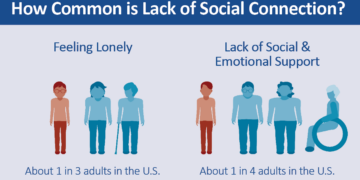
Humans are inherently social creatures. We are not designed to thrive in isolation. The quality of our relationships has a profound impact on our physical and mental health. In fact, studies have shown that chronic loneliness is as detrimental to health as smoking 15 cigarettes a day.
-
Deep Friendships: It is not the number of friends on social media that matters, but the depth and authenticity of the connections. Having a few close friends with whom you can be vulnerable, share your struggles, and celebrate your successes is a buffer against depression and anxiety.
-
Community Engagement: Being part of a community—whether it is a book club, a religious congregation, a sports team, or a neighborhood watch—provides a sense of belonging. It reinforces our identity and gives us a framework of support.
-
Intergenerational Connections: Connecting with younger generations keeps us grounded, curious, and adaptable. It challenges our perspectives and allows us to share our wisdom, which is a deeply fulfilling experience that validates our life’s journey.
The Science Behind the Smile: Why Joyspan Works
The beauty of the Joyspan concept is that it is not just a feel-good philosophy; it is grounded in robust scientific evidence. The mechanisms by which these pillars work are interconnected, creating a positive feedback loop.
Telomere Biology: As mentioned, telomeres are the protective caps at the end of our DNA strands. Shortened telomeres are associated with cellular aging and a higher risk of chronic diseases like heart disease and cancer. Research by Nobel Laureate Elizabeth Blackburn has demonstrated that chronic stress, pessimism, and poor diet shorten telomeres, while lifestyle interventions like meditation, exercise, and strong social support can actually preserve and even lengthen telomeres. By focusing on Joyspan, you are protecting your very DNA from the ravages of time.
The Inflammatory Response: Chronic low-grade inflammation is the root cause of many age-related diseases. This is sometimes referred to as “inflammaging.” Diet, lack of sleep, and stress are primary drivers of this inflammatory state. However, the positive emotions associated with a rich Joyspan—such as gratitude, love, and laughter—are known to lower inflammatory markers in the blood. By cultivating joy, you are essentially turning down the furnace of inflammation that drives disease.
Neuroplasticity and Rewiring: The old belief that the brain is “hardwired” and cannot change after a certain age has been completely debunked. Through consistent practice, we can rewire our brains. When we practice gratitude, we strengthen the neural pathways associated with appreciation, making it easier to find joy. When we engage in complex tasks, we build new synapses. Joyspan encourages us to keep rewiring our brains for resilience and happiness, ensuring that our mental faculties remain robust well into our later years.
The Role of Modern Technology and Trends
In the 21st century, technology is a double-edged sword. On one hand, social media can foster comparison and anxiety, which undermines Joyspan. On the other hand, technology offers unprecedented tools to help us monitor and improve our well-being.
Wearable Technology: Devices like smartwatches and fitness trackers allow us to monitor our sleep patterns, heart rate variability, and physical activity levels. While they should not become a source of obsession, they provide data that can help us make informed decisions about our lifestyle. The goal is not to hit arbitrary numbers, but to use the data to optimize our energy and vitality.
Digital Detoxification: The boundaries between work and personal life have blurred. A key tenet of a modern Joyspan strategy is the digital detox. Setting boundaries—such as no phones at the dinner table or turning off notifications after 9 PM—is essential for mental clarity. We are beginning to realize that “FOMO” (Fear Of Missing Out) is a significant source of stress, and that true joy often lies in missing out on the digital noise to focus on the tangible present.
Mental Health Apps: The stigma surrounding mental health is dissolving, largely thanks to accessible technology. Apps that offer guided meditation, Cognitive Behavioral Therapy (CBT) exercises, and mood tracking are now widely available. These tools empower individuals to take charge of their mental well-being on a daily basis, which is a crucial step in extending one’s Joyspan.
Common Myths and Misconceptions about Aging

To fully embrace the Joyspan philosophy, we must confront and dismantle the negative stereotypes associated with aging.
Myth A: “You can’t teach an old dog new tricks.” This is a harmful cliché. The brain’s ability to learn new things remains throughout life. It may take longer to learn complex tasks, but the brain’s capacity for novel learning is preserved as long as we engage it.
Myth B: “Health decline is inevitable.” While there are physiological changes that occur with age, such as a slower metabolism or decreased bone density, the rate of decline is highly influenced by lifestyle. We cannot stop the clock, but we can slow it down significantly. Many of the symptoms we attribute to “normal aging” are actually the result of disuse and neglect.
Myth C: “Old people are depressed.” Many older adults report higher levels of life satisfaction than their younger counterparts. This phenomenon is known as the “U-curve” of happiness. As we age, we often become more emotionally stable, we focus on “savoring the moment,” and we stop chasing approval from others. The Joyspan concept celebrates this wisdom and emotional maturity, proving that life can get better with age.
A Practical Guide to Cultivating Your Joyspan
Having explored the theoretical and scientific underpinnings of Joyspan, the question remains: How does one actually build it? It is not about making radical, unsustainable changes overnight. Instead, it is about adopting a mindset of growth and implementing small, consistent habits.
Step 1: The Cognitive Shift
The journey starts in the mind. You must reframe your perception of aging. Instead of viewing getting older as a slow march toward loss, view it as a journey toward mastery and experience. Replace the word “decline” with “transformation.” Embrace the benefits of age: emotional intelligence, financial stability (in some cases), and the ability to prioritize what truly matters.
Step 2: The Physical Reboot
Do not wait for a scare from a doctor to start moving. If you are currently sedentary, start small. A 15-minute walk every day is a fantastic start.
-
A. Resistance: Incorporate bodyweight exercises like squats, lunges, and push-ups.
-
B. Cardio: Aim for at least 150 minutes of moderate-intensity aerobic activity per week.
-
C. Flexibility: Stretch for 10 minutes every morning.
-
D. Nutrition: Audit your pantry. Try to eat 80% of your food from whole, plant-based sources. Increase your water intake. Reduce alcohol and avoid tobacco completely.
Step 3: The Emotional Audit
-
A. Assess Your Stressors: Identify the primary sources of stress in your life. Is it work? Relationships? Finances? Once you identify them, you can begin to manage them.
-
B. Practice Gratitude: Keep a daily journal and write down three things you are grateful for. This is a proven exercise to rewire the brain for happiness.
-
C. Forgive: Holding onto grudges is like drinking poison and expecting the other person to die. Forgiveness—whether for yourself or others—is essential for peace.
Step 4: The Social Strategy
-
A. Nurture Core Relationships: Make a list of the people who make you feel alive and loved. Schedule regular time with them. Prioritize depth over breadth.
-
B. Seek New Connections: If you lack a social circle, join a group. Find a local hiking club, a photography class, or a volunteer organization.
-
C. Active Listening: When you are with people, be present. Put away your phone. Listen to understand, not to reply. Deep relationships are built on attention.
Step 5: The Continuous Learning Plan
-
A. Read: Read at least one book a month.
-
B. Learn: Pick a subject you know nothing about and start studying it. There are thousands of free courses online.
-
C. Create: Don’t just consume information; produce something. Write a poem, paint a picture, build a birdhouse. Creation feeds the soul.
The Socio-Economic Impact of a Joyspan Revolution
If the Joyspan paradigm is adopted on a societal scale, the implications are immense. Governments and employers are beginning to take note.
Workplace Productivity: Businesses that invest in the mental and physical well-being of their employees—regardless of age—see higher productivity, lower turnover, and reduced healthcare costs. Companies that offer flexible working hours, mental health days, and wellness programs are cultivating a workforce with a long Joyspan.
Healthcare Systems: A focus on Joyspan would shift the burden from costly end-of-life care to preventative and lifestyle medicine. This could save economies trillions of dollars and reduce the strain on hospitals. It promotes a model where healthcare professionals act as coaches for vitality rather than just fixers of broken bodies.
Retirement Redefined: The concept of retirement is evolving. Instead of doing nothing, retirees are seeking “encore careers” that provide purpose and social connection. The Joyspan philosophy encourages this, suggesting that we should not stop working until we stop wanting to work. We should transition into roles that feed our souls, whether they are paid or volunteer positions.
Conclusion: The Joy is the Journey
Joyspan defines new wellness goals because it represents the ultimate victory of the human spirit the victory of meaning over mere existence. It is a call to action to stop counting the days and start making the days count. It is a rebellion against the passive acceptance of decline. It empowers us to realize that we are the architects of our own golden years.
We are moving from a culture obsessed with the end of life to a culture obsessed with the fullness of life. The goal is no longer simply to reach 100, but to reach 100 with your wit sharp, your heart full, your body strong, and your community deep. It requires a holistic approach that integrates the physical, the mental, and the social. It requires planning, discipline, and a shift in mindset, but the payoff is immense. The legacy of a long Joyspan is not just a number on a gravestone, but a tapestry of memories, relationships, and contributions that echo through time.
Start now. It doesn’t matter how old you are today whether you are 25 or 75. The best time to plant a tree was 20 years ago. The second best time is now. Your future self, vibrant and joyful, is waiting for you to make the choices that will define your Joyspan. Are you ready to embrace the revolution.