In today’s fast-paced world, stress has become an unavoidable companion for millions of people. The constant pressure from work, relationships, financial concerns, and digital overload has created an epidemic of nervous system dysregulation. When your nervous system is out of balance, everything in your body suffers from your sleep quality and digestion to your emotional stability and immune function. This is where somatic wellness emerges as a transformative approach to restoring harmony within your body and mind. Somatic wellness is not merely another wellness trend; it is a scientifically-backed methodology that empowers you to take control of your physiological responses and cultivate lasting resilience against stress.
Understanding the Nervous System: The Body’s Command Center
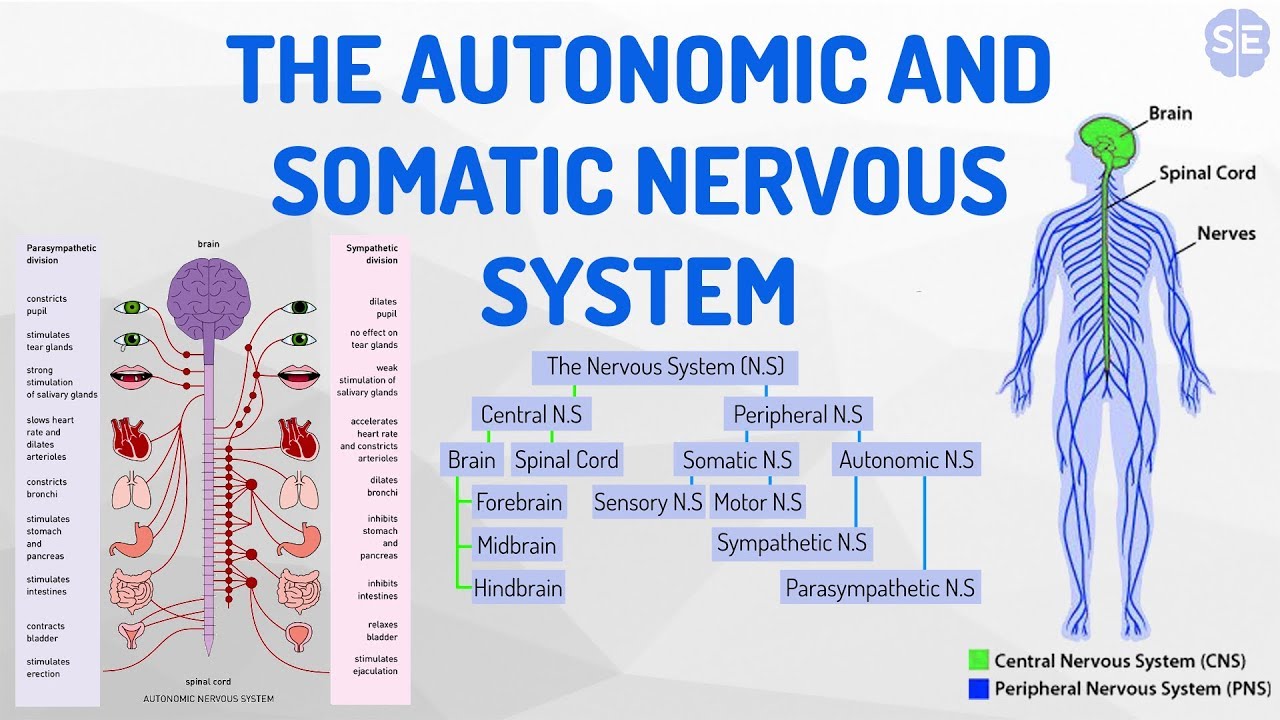
Before diving into somatic practices, it is essential to understand what the nervous system does and why its regulation matters so profoundly. The nervous system is the master control system of your body, orchestrating every function from breathing and heartbeat to complex emotional processing and cognitive decision-making. It consists of two main divisions: the central nervous system, which includes the brain and spinal cord, and the peripheral nervous system, which comprises all the nerves that branch out throughout your body.
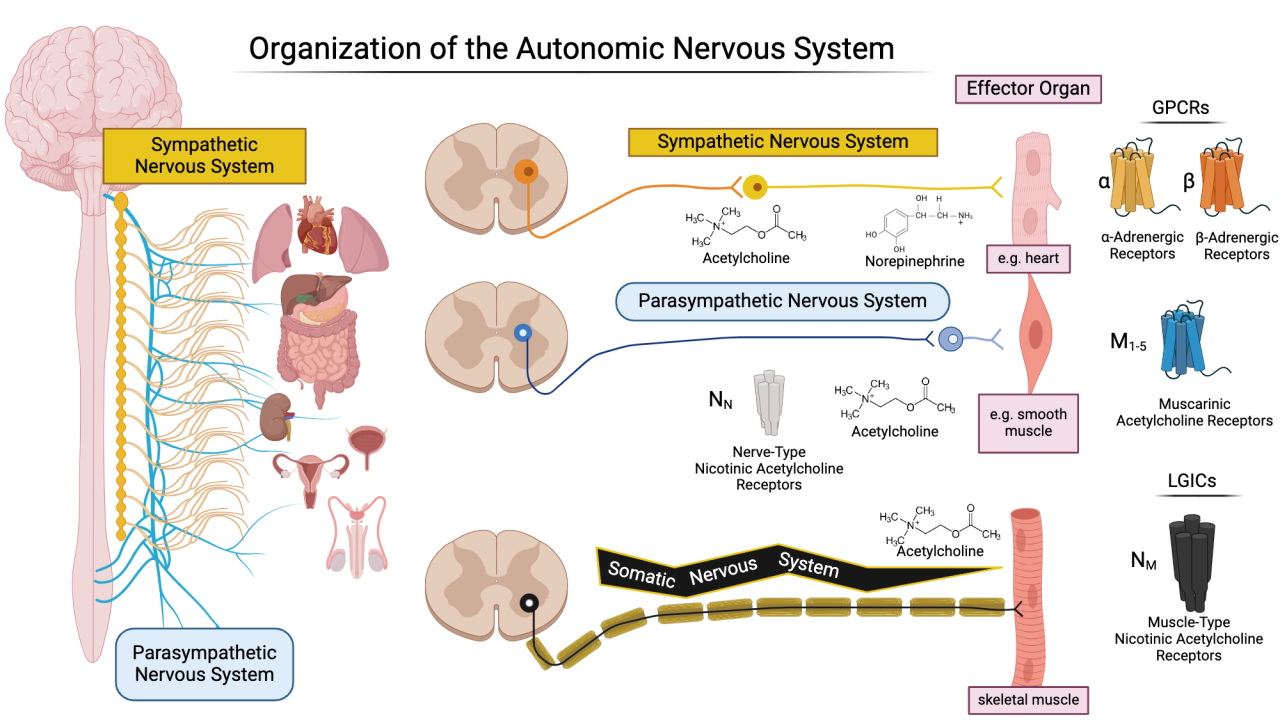
The peripheral nervous system further divides into the somatic nervous system, which manages voluntary movements, and the autonomic nervous system, which controls involuntary functions. The autonomic nervous system is particularly relevant to somatic wellness because it governs your stress response through its two branches: the sympathetic nervous system and the parasympathetic nervous system.
The sympathetic nervous system activates your “fight or flight” response during perceived threats. When triggered, it releases stress hormones like cortisol and adrenaline, increasing your heart rate, elevating blood pressure, and diverting energy away from digestion and immune function to prepare you for immediate action. This response was essential for human survival when facing physical dangers like predators, but in modern times, it is frequently activated by psychological stressors such as work deadlines, traffic jams, and social conflicts.
Conversely, the parasympathetic nervous system promotes your “rest and digest” state. It slows your heart rate, lowers blood pressure, supports digestion, and facilitates healing and repair. When your parasympathetic nervous system is dominant, you experience calmness, clarity, and emotional balance.
The problem arises when the sympathetic nervous system remains chronically activated due to ongoing stress. This state of hyperarousal leads to burnout, anxiety, depression, digestive disorders, cardiovascular issues, and a weakened immune system. Somatic wellness provides the tools to shift your nervous system from a state of survival to a state of safety and restoration.
What Is Somatic Wellness?
Somatic wellness is a holistic approach to health that emphasizes the connection between the body and the mind through conscious awareness of physical sensations. The term “somatic” originates from the Greek word “soma,” meaning the living body in its entirety. Unlike traditional talk therapy that focuses primarily on thoughts and emotions, somatic practices prioritize the body as the gateway to healing.
The core philosophy of somatic wellness is that trauma, stress, and emotional pain are stored in the body’s tissues, muscles, and nervous system. When you experience a stressful event and do not fully process it, your body retains the memory of that experience in the form of muscular tension, restricted breathing patterns, and altered posture. Over time, these physical manifestations contribute to chronic pain, fatigue, and emotional dysregulation.
Somatic practices involve developing a deep awareness of your internal physical sensations and learning to release tension and trauma through mindful movement, breathwork, and touch. By tuning into your body’s signals, you can identify when your nervous system is dysregulated and apply specific techniques to restore balance.
The beauty of somatic wellness lies in its accessibility. You do not need expensive equipment or specialized training to begin practicing somatic techniques. Your body itself is your primary tool, and the sensations you experience provide real-time feedback about your nervous system’s state.
The Science Behind Somatic Wellness and Nervous System Regulation
The connection between somatic practices and nervous system regulation is grounded in neurobiology. Scientific research has demonstrated that the vagus nerve, the longest cranial nerve in the body, plays a pivotal role in modulating the parasympathetic nervous system. The vagus nerve acts as a two-way communication highway between the brain and the organs, particularly the heart, lungs, and digestive tract.
When you engage in somatic practices such as deep diaphragmatic breathing, gentle stretching, or mindful movement, you stimulate the vagus nerve, which sends signals to the brain to reduce stress responses and promote relaxation. This activation of the vagal system is known as increasing vagal tone, and higher vagal tone is associated with better emotional regulation, improved cardiovascular health, and enhanced resilience to stress.
Furthermore, somatic practices influence the brain’s neuroplasticity. Neuroplasticity refers to the brain’s ability to reorganize itself by forming new neural connections throughout life. Through consistent somatic practice, you can rewire your brain’s stress response pathways, making it easier to calm your nervous system even in challenging situations. This means that somatic wellness is not just about managing stress in the moment—it is about creating lasting changes in how your body and brain respond to stress over time.
Key Principles of Somatic Wellness
To effectively regulate your nervous system through somatic wellness, it is helpful to understand the foundational principles that guide this practice. These principles provide a framework for integrating somatic awareness into your daily life.
Principle of Embodied Awareness
Embodied awareness is the practice of directing your attention to your internal physical sensations without judgment. Instead of living primarily in your thoughts, you learn to inhabit your body fully. This involves noticing sensations such as warmth, tingling, tension, relaxation, weight, and movement. By cultivating embodied awareness, you become attuned to the early warning signs of nervous system dysregulation, allowing you to intervene before stress escalates.
Principle of Grounding and Centering
Grounding refers to the practice of connecting with the present moment through physical sensations, particularly the feeling of your body supported by the earth. Centering involves finding your internal sense of balance and stability. Together, these practices anchor you in the here and now, reducing anxiety about the future and rumination about the past.
Principle of Pacing and Titration
Pacing involves moving at a speed that feels safe and comfortable for your nervous system. Titration is the process of gently exploring sensations or emotions in small, manageable doses rather than overwhelming yourself all at once. This principle is especially important when addressing trauma or deeply held tension. By respecting your body’s limits, you can release stored stress without triggering a fight-or-flight response.
Principle of Self-Regulation
Self-regulation is the ability to manage your emotional and physiological responses to stressors. Somatic practices enhance self-regulation by providing you with tangible tools to shift your nervous system state. When you notice signs of hyperarousal or hypoarousal, you can use somatic techniques to restore equilibrium.
Principle of Integration
Integration involves bringing together the physical, emotional, and mental aspects of your experience. Rather than treating them as separate entities, somatic wellness recognizes that your thoughts, feelings, and bodily sensations are deeply interconnected. Integration allows you to heal holistically, addressing the root causes of stress rather than just its symptoms.
How Somatic Wellness Regulates the Nervous System: A Step-by-Step Explanation
Understanding how somatic wellness achieves nervous system regulation requires examining the mechanisms through which somatic practices influence physiological and psychological processes.
A. Activation of the Vagus Nerve
Somatic practices such as deep breathing, humming, chanting, and gentle neck stretches stimulate the vagus nerve directly. The vagus nerve contains sensory fibers that transmit information from the body to the brain and motor fibers that carry signals from the brain to the organs. When you stimulate your vagus nerve through somatic techniques, you activate your parasympathetic nervous system, promoting relaxation and reducing stress hormone levels.
B. Regulation of Breathing Patterns
Stress often leads to shallow, rapid chest breathing, which signals to the brain that you are in danger and perpetuates the stress response. Somatic wellness emphasizes diaphragmatic breathing, where you breathe deeply into your abdomen rather than your chest. Slow, deep breaths stimulate the vagus nerve and activate the parasympathetic nervous system. Consistently practicing diaphragmatic breathing trains your body to default to a calmer state, even during stressful events.
C. Release of Muscle Tension
Chronic stress causes muscles to remain contracted, leading to pain, stiffness, and restricted movement. Somatic practices include gentle movements, stretching, and body scans to release this tension. When muscles relax, the nervous system receives signals of safety, which turns down the sympathetic “fight or flight” response. Additionally, releasing physical tension can unblock emotional energy that has been trapped in the body, further promoting nervous system balance.
D. Improved Interoceptive Awareness
Interoception is your brain’s perception of sensations from inside your body, such as heartbeat, hunger, and fullness. Somatic wellness enhances interoceptive awareness, allowing you to recognize subtle changes in your body that indicate stress or relaxation. With better interoceptive awareness, you can respond to your body’s needs proactively, preventing stress from accumulating.
E. Reduction of Cortisol Levels
Cortisol is a primary stress hormone that, when chronically elevated, wreaks havoc on your body. Somatic practices, particularly those that involve relaxation and mindfulness, have been shown to lower cortisol levels. This reduction has far-reaching benefits, including improved sleep, enhanced immune function, and reduced inflammation.
F. Enhancement of Emotional Regulation
When your nervous system is dysregulated, you are more likely to experience intense emotional reactions, such as anger, fear, or sadness. Somatic wellness helps you regulate your emotions by giving you a physical anchor to return to during moments of distress. Instead of being swept away by overwhelming emotions, you can use somatic techniques to ground yourself and respond thoughtfully rather than reactively.
G. Promotion of Restorative Sleep
Sleep is critical for nervous system health, yet stress often disrupts sleep patterns. Somatic practices promote restful sleep by calming the nervous system before bedtime. Techniques such as progressive muscle relaxation, gentle yoga, and body scanning reduce bedtime anxiety and facilitate deeper, more restorative sleep cycles.
H. Strengthening of the Mind-Body Connection
The mind-body connection is the bridge between your thoughts, emotions, and physical sensations. Somatic wellness strengthens this connection by encouraging you to listen to your body’s wisdom. When you honor your body’s signals, you make choices that support your overall well-being. A strong mind-body connection also makes it easier to recognize when your nervous system needs attention and to take appropriate action.
I. Increased Resilience to Stress
One of the most profound benefits of somatic wellness is its ability to build stress resilience. Resilience is not about avoiding stress entirely but about bouncing back from challenges more effectively. By consistently practicing somatic techniques, you train your nervous system to recover more quickly from stressors, reducing the cumulative wear and tear on your body and mind.
J. Enhanced Immune System Function
Chronic stress suppresses immune function, making you more susceptible to infections and illnesses. Somatic wellness supports immune health by lowering stress hormones and promoting parasympathetic activity. A calm nervous system allows your immune system to function optimally, defending your body against pathogens and supporting recovery from illness.
Somatic Practices to Regulate Your Nervous System
There is a wide range of somatic practices you can incorporate into your daily routine to regulate your nervous system. These practices are simple, accessible, and can be tailored to your individual preferences and needs.
Breathwork Techniques
Breath is one of the most powerful tools for nervous system regulation. Here are some effective breathwork techniques you can practice:
Diaphragmatic Breathing: Place one hand on your chest and the other on your abdomen. Inhale slowly through your nose, feeling your abdomen rise as your diaphragm descends. Exhale slowly through your mouth, feeling your abdomen fall. Aim for six to ten breaths per minute.
Box Breathing: Inhale for a count of four, hold your breath for a count of four, exhale for a count of four, and hold your breath again for a count of four. Repeat this cycle for several minutes.
Extended Exhale Breathing: Inhale for a count of four and exhale for a count of six or eight. The extended exhale activates the parasympathetic nervous system and promotes relaxation.
Gentle Movement Practices
Movement is another essential component of somatic wellness. The following gentle movement practices help release stored tension and promote nervous system balance:
Somatic Yoga: Unlike traditional yoga that focuses on achieving specific postures, somatic yoga emphasizes slow, mindful movements that explore internal sensations. Movements are performed with attention to how your body feels rather than how it looks.
Tai Chi: This ancient Chinese practice involves slow, flowing movements that coordinate with breathing. Tai Chi has been shown to reduce stress, improve balance, and enhance vagal tone.
Qigong: Similar to Tai Chi, Qigong combines gentle movement, breathwork, and meditation. Qigong practices can be easily adapted to suit any fitness level.
Butterfly Hug: This simple self-soothing technique involves crossing your arms over your chest and tapping your shoulders alternately. The butterfly hug helps calm the nervous system and can be used during moments of acute stress.
Body Scans and Grounding Exercises
Body scans and grounding exercises are invaluable for developing embodied awareness and promoting relaxation:
Full Body Scan: Lie down or sit comfortably. Slowly bring your attention to each part of your body, starting from your toes and moving upward to your head. Notice any sensations, tension, or areas of ease. Breathe into any areas of tension and allow them to soften.
Five Senses Grounding: Engage all five senses to anchor yourself in the present moment. Notice five things you can see, four things you can touch, three things you can hear, two things you can smell, and one thing you can taste.
Feet on the Ground: Stand or sit and feel your feet connected to the earth. Notice the pressure, temperature, and texture beneath your feet. This exercise activates your grounding reflex and calms your nervous system.
Self-Holding and Self-Hugging: Gently wrap your arms around yourself and apply soft pressure. This self-soothing technique activates the parasympathetic nervous system and provides a sense of safety and comfort.
Mindfulness and Meditation
Mindfulness and meditation are foundational to somatic wellness. While many people associate meditation with sitting in silence, somatic mindfulness incorporates awareness of physical sensations into the practice:
Body Awareness Meditation: Sit quietly and bring your attention to your breath, then expand your awareness to include the sensations throughout your body. Allow your awareness to flow freely without attachment or judgment.
Walking Meditation: Walk slowly and deliberately, paying attention to each step and the sensations of your feet touching the ground. Feel the movement of your legs, the swing of your arms, and the rhythm of your breath.
Sensory Meditation: Choose a specific sensation to focus on, such as the feeling of air on your skin, the warmth of sunlight, or the sound of your heartbeat. Immerse yourself fully in that sensory experience.
Expressive Arts and Somatic Release
Creative expression provides another avenue for nervous system regulation. When words cannot capture your experience, art, music, and movement can help release pent-up emotions:
Somatic Drawing and Painting: Use art materials to express how your body feels. Draw or paint without any preconceived outcome, focusing instead on the process of expression.
Free Movement or Dance: Play music and move your body intuitively without choreography. Allow your body to guide your movement, expressing whatever emotions or sensations arise.
Journaling with Embodied Awareness: Write about your physical sensations and emotions. Describe the quality of your tension, your breathing patterns, and any areas of discomfort or ease.
Lifestyle Factors That Support Somatic Wellness
In addition to specific somatic practices, several lifestyle factors contribute to a balanced nervous system. Addressing these factors holistically enhances the benefits of your somatic practice.
Nutrition and Hydration
Your diet significantly affects your nervous system. Consuming whole foods rich in vitamins, minerals, and antioxidants supports brain health and reduces inflammation. Omega-3 fatty acids found in fish, nuts, and seeds are particularly beneficial for nervous system function. Staying adequately hydrated is essential because even mild dehydration can increase stress hormones and impair cognitive function. Additionally, limiting caffeine, alcohol, and processed sugar prevents blood sugar fluctuations and reduces nervous system agitation.
Sleep Hygiene
Quality sleep is non-negotiable for nervous system regulation. Create a consistent sleep schedule by going to bed and waking up at the same time each day. Establish a relaxing bedtime routine that includes somatic practices like gentle stretching or deep breathing. Limit screen time at least one hour before bed, as blue light interferes with melatonin production and disrupts sleep architecture.
Social Connection
Positive social interactions activate the parasympathetic nervous system and promote feelings of safety. Surround yourself with supportive relationships that nurture your well-being. Engage in meaningful conversations, physical touch like hugging, and activities that foster connection. Isolation and loneliness, conversely, keep the nervous system in a state of vigilance.
Nature Exposure
Spending time in nature has a profoundly calming effect on the nervous system. Nature exposure lowers cortisol, reduces blood pressure, and improves mood. Whether you walk in the park, hike in the woods, or simply sit in your garden, incorporate regular nature time into your routine.
Physical Activity
Moderate physical activity such as walking, swimming, or cycling supports nervous system health. Regular movement releases endorphins that improve mood and reduces muscle tension. Balance vigorous exercise with gentler practices like yoga or Tai Chi to avoid overstimulating the nervous system.
Common Obstacles and How to Overcome Them
Adopting a somatic wellness practice is a journey, and you may encounter challenges along the way. Recognizing and addressing these obstacles will help you stay committed to your practice.
Obstacle: Difficulty Tuning into Body Sensations
Many people have become disconnected from their bodies due to chronic stress or trauma. If you find it challenging to notice physical sensations, begin with simple awareness practices. Place your attention on your breath or the feeling of your feet on the floor. Gradually expand your awareness as it becomes more natural.
Obstacle: Feeling Overwhelmed by Sensations
Some somatic practices may bring up uncomfortable emotions or physical sensations. When this happens, practice titration by approaching sensations gently. Focus on a neutral or pleasant part of your body if a particular area feels overwhelming. Consider working with a trained somatic practitioner if your experiences are intense.
Obstacle: Inconsistency in Practice
Somatic wellness requires consistency to yield lasting changes. To build a sustainable practice, start small with just a few minutes each day. Set reminders on your phone and integrate somatic practices into your existing routines, such as taking deep breaths during your morning commute or practicing grounding before bed.
Obstacle: Skepticism About Somatic Approaches
If you are skeptical about somatic wellness, remember that these practices are supported by robust scientific evidence. Approach somatic techniques with an open mind, observing your experiences without judgment. Many people find that the tangible benefits become evident after consistent practice, reinforcing their commitment.
The Transformative Power of Somatic Wellness
When you embrace somatic wellness as a regular part of your life, the benefits extend far beyond stress management. You may find that your relationships improve as you become more emotionally present and responsive. Your productivity at work may increase because you can focus more effectively with a calm mind. Your physical health can improve as your immune system strengthens and inflammation decreases.
Somatic wellness also fosters a deeper sense of self-awareness and self-compassion. By tuning into your body’s needs, you learn to honor yourself more authentically. You develop an internal compass that guides you toward choices that genuinely support your well-being rather than those driven by external pressures.
Moreover, somatic wellness empowers you to become an active participant in your own healing. Instead of feeling like a victim of your circumstances, you recognize that you have the power to influence your physiological state. This sense of agency is incredibly liberating and can transform how you navigate life’s challenges.
Conclusion
Somatic wellness is not a quick fix or a one-time solution it is a lifelong practice that evolves with you. As you deepen your somatic awareness, you will notice subtler shifts in your nervous system and develop greater sensitivity to its needs. Each moment of embodied presence is an opportunity to regulate your nervous system, cultivate resilience, and connect with your authentic self.
Your nervous system is a dynamic, responsive network that can heal and adapt. Through somatic wellness, you can access your body’s innate wisdom and restore the natural rhythm of rest and activity that supports optimal health. Whether you are dealing with chronic stress, recovering from trauma, or simply seeking greater balance, somatic practices offer a compassionate path toward nervous system regulation.
Take the first step today by choosing one somatic practice to incorporate into your routine. Whether it is a few minutes of diaphragmatic breathing, a gentle body scan, or a short walk in nature, every small action contributes to your nervous system health. Remember that consistency is more important than perfection each practice supports your journey toward somatic wellness and a more balanced, fulfilling life.