

In the ever-evolving landscape of nutrition and wellness, new dietary approaches constantly emerge, promising pathways to improved health, weight management, and vitality. Among these, the concept of “Food Zoning” is gaining significant traction, moving beyond a mere fad to present a structured, strategic philosophy for eating. Unlike restrictive diets that focus solely on calorie counting or macronutrient elimination, Food Zoning emphasizes the how and when of consumption as much as the what. It is a system designed to work in harmony with the body’s innate digestive rhythms and enzymatic activity, proposing that the order and combination of foods can dramatically influence energy levels, nutrient absorption, bloating, and overall metabolic efficiency. This comprehensive guide delves deep into the principles, science, practical applications, and potential benefits of Food Zoning, positioning it not as a temporary trend but as a sustainable, intelligent framework for lifelong nutritional wellness. By understanding and applying these strategic guidelines, individuals seek to transform their relationship with food, aiming for digestive serenity, stabilized energy, and enhanced well-being.
The Foundational Principles of Food Zoning
At its core, Food Zoning is built on the understanding that different food categories require distinct digestive environments specifically, varying pH levels and enzymatic actions for optimal breakdown and assimilation. The central hypothesis is that consuming foods in a haphazard order or in complex combinations can lead to digestive conflict, wherein enzymes neutralize each other, digestion slows, and fermentation and putrefaction can occur in the gut. This, proponents argue, is a primary culprit behind post-meal fatigue, gas, bloating, acid reflux, and the inefficient utilization of nutrients.
The philosophy is often anchored in several key, interrelated principles:
A. The Digestive Timeline: Food Zoning recognizes that macronutrients digest at different speeds. Simple carbohydrates (like fruits) digest the fastest, followed by complex carbohydrates, then proteins, and finally fats, which have the slowest transit time. Consuming a fast-digesting food after a slow-digesting one is believed to trap it in the stomach, leading to fermentation.
B. Enzyme-Specific Environments: Proteases (for protein digestion) work optimally in a highly acidic stomach environment. Amylases (for carbohydrate digestion) are active in both the mouth and the small intestine but are less effective in the acidic stomach. Combining large amounts of protein and complex carbohydrates in a single meal may, in theory, force the body to compromise, secreting digestive juices that are not ideal for either.
C. The Fruit-First Rule: This is one of the most distinctive tenets. Fruits, especially watery ones like melons, oranges, and berries, are digested extremely rapidly. If eaten on top of a heavier meal, they are thought to ferment, causing gas and discomfort. Therefore, fruits are best consumed alone, on an empty stomach, as a snack or as the first component of a meal.
D. Strategic Food Combining: This principle provides specific guidelines on which food groups pair well for ease of digestion and which combinations are best avoided. The goal is to simplify the digestive process to reduce metabolic load.
E. Mindful Meal Sequencing: Beyond combination, the actual order of consumption within a meal is considered crucial. The general sequence advocated is: liquids (first), then raw foods (like salads), followed by cooked vegetables, then proteins or starches (depending on the chosen combination).
The Science and Debate: Examining the Evidence
It is imperative to critically examine the scientific backing for Food Zoning. Mainstream nutritional science offers a nuanced perspective. The human digestive system is remarkably resilient and sophisticated, capable of secreting a broad spectrum of enzymes simultaneously to handle complex meals. The stomach’s churning action and controlled release of chyme into the duodenum, where pancreatic enzymes and bile take over, are designed for mixed meals.
Robust clinical evidence specifically validating the strict rules of food combining for weight loss or nutrient absorption is limited. Several studies have shown no significant difference in weight loss or metabolic markers between groups following food-combining rules and those eating a balanced, calorie-controlled mixed diet. Critics argue that any benefits experienced may stem from the increased mindfulness, higher intake of fruits and vegetables, and the natural reduction in processed foods and calories that often accompany such structured plans, rather than the sequencing itself.
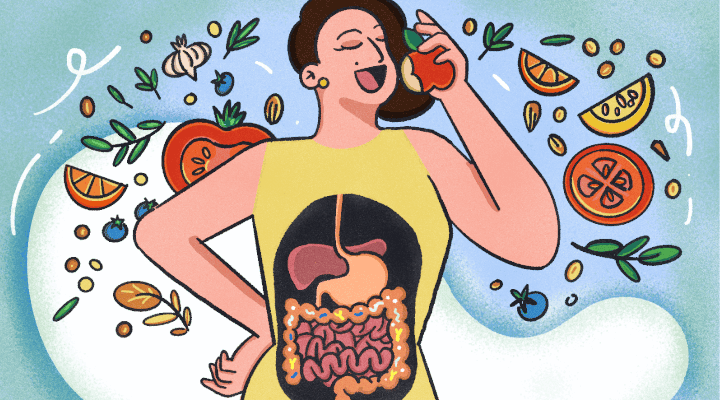
However, the anecdotal and experiential evidence cannot be dismissed. Many individuals report profound relief from chronic digestive issues like Irritable Bowel Syndrome (IBS), bloating, and acid reflux after adopting Food Zoning principles. This may be explained by several mechanisms:
-
Reduced Functional Load: For those with compromised digestion or sensitive guts, simplifying meals can decrease the overall workload on the digestive system, allowing it to function more efficiently.
-
Promotion of Whole Foods: The system inherently discourages processed, multi-ingredient foods that are hard to classify and digest, pushing followers toward a whole-foods diet.
-
Improved Gut Motility: Consuming easier-to-digest foods first may help stimulate peristalsis and create a clearer pathway for slower-digesting components, potentially reducing stagnation.
Thus, while not a universal biological mandate, Food Zoning can be viewed as a valuable digestive supportive tool, particularly for those with existing gastrointestinal sensitivities. It is less about a rigid “right or wrong” and more about individual bio-individuality and digestive optimization.
A Practical Guide to Implementing Food Zoning
Transitioning to a Food Zoning approach requires mindfulness and practice. Below is a detailed, actionable guide to structuring your meals according to these strategic principles.
A. Start with Liquids: Begin your meal with water, herbal tea, or broth, consumed 15-30 minutes before eating. Avoid drinking large amounts during the meal, as this can dilute digestive acids. Reserve significant fluids for at least an hour after eating.
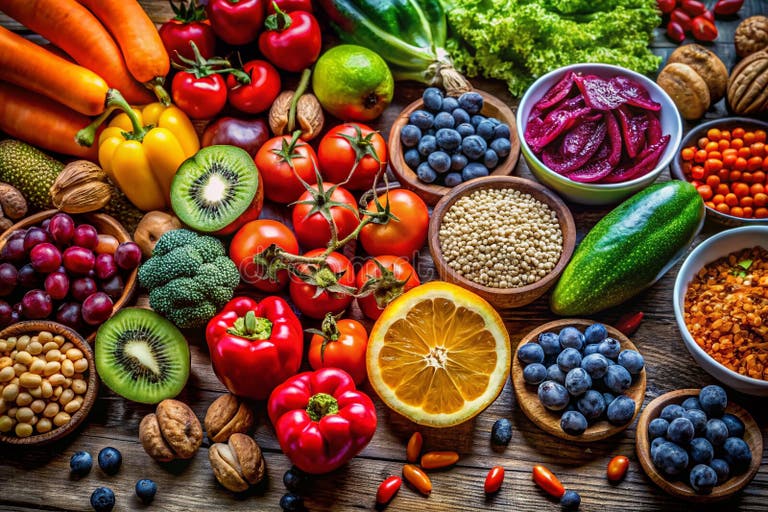
B. Consume Raw Vegetables First: A large plate of leafy greens, cucumbers, tomatoes, bell peppers, and carrots with a simple dressing (like lemon juice and herbs) should be the first solid component. The fiber and enzymes in raw veggies prepare the digestive tract.
C. Follow with Cooked Non-Starchy Vegetables: Steamed, roasted, or sautéed vegetables like broccoli, zucchini, asparagus, or green beans come next. They are easier to digest than raw for some and continue the fiber intake.
D. Choose Your Primary Macronutrient Focus: This is the core of strategic combining. For your main course, select one of the following focal points:
* Protein-Focused Meal: Pair your protein source (chicken, fish, eggs, tofu, legumes) with a generous portion of cooked non-starchy vegetables and/or a raw salad. Avoid pairing with concentrated starches (bread, rice, potatoes, pasta) in large quantities. Legumes are an exception as they contain both protein and starch.
* Starch-Focused Meal: Pair your complex carbohydrate (sweet potato, quinoa, brown rice, oats, squash) with cooked and raw vegetables. Avoid pairing with dense animal proteins. This can be an excellent lunch for sustained energy.
* Neutral Foods: Many vegetables, fats (avocado, olive oil), nuts, and seeds are considered “neutral” and can be combined with either protein or starch groups.
E. Eat Fruits Alone and on an Empty Stomach: Enjoy fruits as a snack between meals idearly 30 minutes before or 2-3 hours after a meal. Melons should be eaten completely alone. Combine different types of fruits mindfully (e.g., acidic with sub-acidic, sweet with sweet).
F. Allow Adequate Digestion Time Between Meals: Space meals 3 to 4 hours apart to allow the digestive cycle to complete. Avoid grazing throughout the day.
Sample Daily Meal Plan Using Food Zoning Principles
-
Upon Waking: A glass of warm water with lemon.
-
Breakfast (7:30 AM): A large fruit salad (berries, apple, papaya). Wait 30 minutes before any other food or caffeine.
-
Mid-Morning Snack (10:30 AM): A handful of raw almonds or a celery juice.
-
Lunch (12:30 PM): Starch-Focused Meal. A large raw spinach and kale salad with lemon-tahini dressing, followed by a bowl of roasted sweet potato, bell peppers, and zucchini, served over a bed of quinoa.
-
Afternoon Snack (4:00 PM): An apple or a smoothie made only with fruit and water (consumed immediately).
-
Dinner (7:00 PM): Protein-Focused Meal. A plate of steamed asparagus and broccoli, followed by a grilled salmon fillet with a side of sautéed mushrooms and a generous drizzle of olive oil. A small side salad is acceptable.
-
Note: Drink water consistently between these meal times.
Potential Benefits and Considerations
Adherents of Food Zoning report a wide array of benefits, which contribute to its growing popularity as a sustainable lifestyle choice rather than a crash diet.
A. Enhanced Digestive Comfort: The most commonly reported benefit is a dramatic reduction in bloating, gas, heartburn, and feelings of heaviness after eating. Meals feel lighter and are processed more comfortably.
B. Stable Energy Levels: By preventing the energy dips associated with sluggish digestion and fermentation, individuals often experience more consistent energy throughout the day, free from post-meal lethargy.
C. Improved Nutrient Absorption: With a less burdened digestive system, the theory suggests that the body can more effectively absorb vitamins, minerals, and antioxidants from the food consumed.
D. Natural Weight Management: While not a calorie-centric diet, the focus on whole foods, fiber-rich vegetables, and mindful eating often leads to a natural reduction in calorie intake and a healthier body composition over time.
E. Increased Mindfulness: The practice fosters a deeper connection with food, encouraging you to consider how different foods affect your body and to eat with intention.
Important Considerations and Challenges:
-
Social and Cultural Flexibility: Dining out or attending social gatherings can be challenging. The key is adaptation—focus on the principles (starting with salad, choosing simpler protein-and-veg dishes) without rigid adherence.
-
Individual Variation: What works perfectly for one person may not for another. It is crucial to listen to your body and adjust. Someone with a fast metabolism may thrive on different combinations than someone with a slower one.
-
Risk of Orthorexia: An unhealthy obsession with “perfect” eating can develop with any structured diet. The principles should serve you, not create anxiety or social isolation.
-
Not a Substitute for Medical Advice: Individuals with diagnosed digestive disorders (e.g., SIBO, Crohn’s) should consult a healthcare professional or registered dietitian before making significant dietary changes.
Conclusion: A Framework for Conscious Consumption
Food Zoning emerges not as a dogmatic set of unbreakable rules, but as a insightful framework for strategic, conscious eating. It invites us to view digestion as a complex, sequential process that we can support through intelligent choices. While its strictest interpretations may not be universally validated by conventional science, its core message to eat mindfully, prioritize whole foods, respect digestive timing, and listen to our body’s unique responses is profoundly sound. For those struggling with digestive discomfort, low energy, or a desire to optimize their nutritional intake, Food Zoning offers a compelling, structured approach to experimentation. Ultimately, it champions the idea that true wellness stems not just from what we eat, but from how we honor the intricate and remarkable process of transforming food into life-sustaining energy. By creating a more harmonious “zone” within our digestive tract, we may unlock greater comfort, vitality, and health.