

In an era of perpetual digital distraction, where multitasking is often glorified and notification pings fragment our attention, the quest for deep, sustained concentration has become a modern-day grail. Enter ASMR Autonomous Sensory Meridian Response a phenomenon once relegated to the niche corners of the internet, now emerging as a powerful, evidence-backed tool for cognitive optimization. Far beyond its reputation for whispered relaxation and tapping sounds, ASMR is proving to be a formidable ally in structuring workflows and unlocking unprecedented levels of focus. This comprehensive exploration delves into the intricate neuroscience behind ASMR, its direct application to productivity systems, and provides a detailed, actionable guide for integrating ASMR principles into your daily work rituals to combat distraction, accelerate workflow, and achieve a state of flow.
Section A: Deconstructing the Science: The Neurobiology of ASMR and Focus
To appreciate ASMR’s role in workflow enhancement, one must first understand its physiological imprint. ASMR is characterized by a calming, tingling sensation that typically originates in the scalp and travels down the spine, often triggered by specific auditory or visual stimuli.
A. The Brain in Tingling Harmony: Neuroimaging studies reveal that during ASMR experiences, distinct brain regions light up. There is increased activity in the prefrontal cortex (associated with attention regulation and planning) and the nucleus accumbens (a key player in the brain’s reward circuitry). Simultaneously, decreased activity is observed in the default mode network (DMN) the brain’s “idling” state linked to mind-wandering, self-referential thoughts, and anxiety. This neurological profile is pivotal: ASMR quiets the mental noise (the DMN) while engaging the centers for focused attention and positive reinforcement.
B. The Stress-Concentration Nexus: Chronic stress, mediated by cortisol, is a notorious enemy of concentration. It shrinks the prefrontal cortex and hijacks cognitive resources for a “fight or flight” response. ASMR has been clinically shown to significantly reduce heart rate and induce a state comparable to mild mindfulness meditation. This physiological de-escalation creates the calm, secure mental environment necessary for deep work to flourish.
C. Auditory Priming for the Mind: The specific soundscapes of ASMR soft speech, deliberate tapping, page turning, brushing sounds often possess a rhythmic, predictable, and non-intrusive quality. This acts as “acoustic grooming” for the brain, providing a gentle, consistent auditory anchor that prevents the mind from seeking disruptive external stimuli. It effectively masks jarring environmental noise (office chatter, traffic) with a cocoon of conducive sound.
Section B: Architecting Your ASMR-Enhanced Productivity System
Integrating ASMR is not merely about listening to videos while working; it’s about designing a holistic workflow that leverages its principles from initiation to completion.
A. The Pre-Work Ritual: Signal the Start of Focus. Just as athletes have pre-game routines, knowledge workers need rituals to transition into deep work.
-
ASMR Sound-Bathing (5-10 minutes): Begin your session with a dedicated ASMR listening period. Use headphones to immerse yourself in triggers like whispered task lists, role-plays of preparing a workspace, or soft sounds of organizing. This acts as a powerful psychological trigger, signaling to your brain that it’s time to shift into a focused state, effectively dampening residual anxiety about the workload ahead.
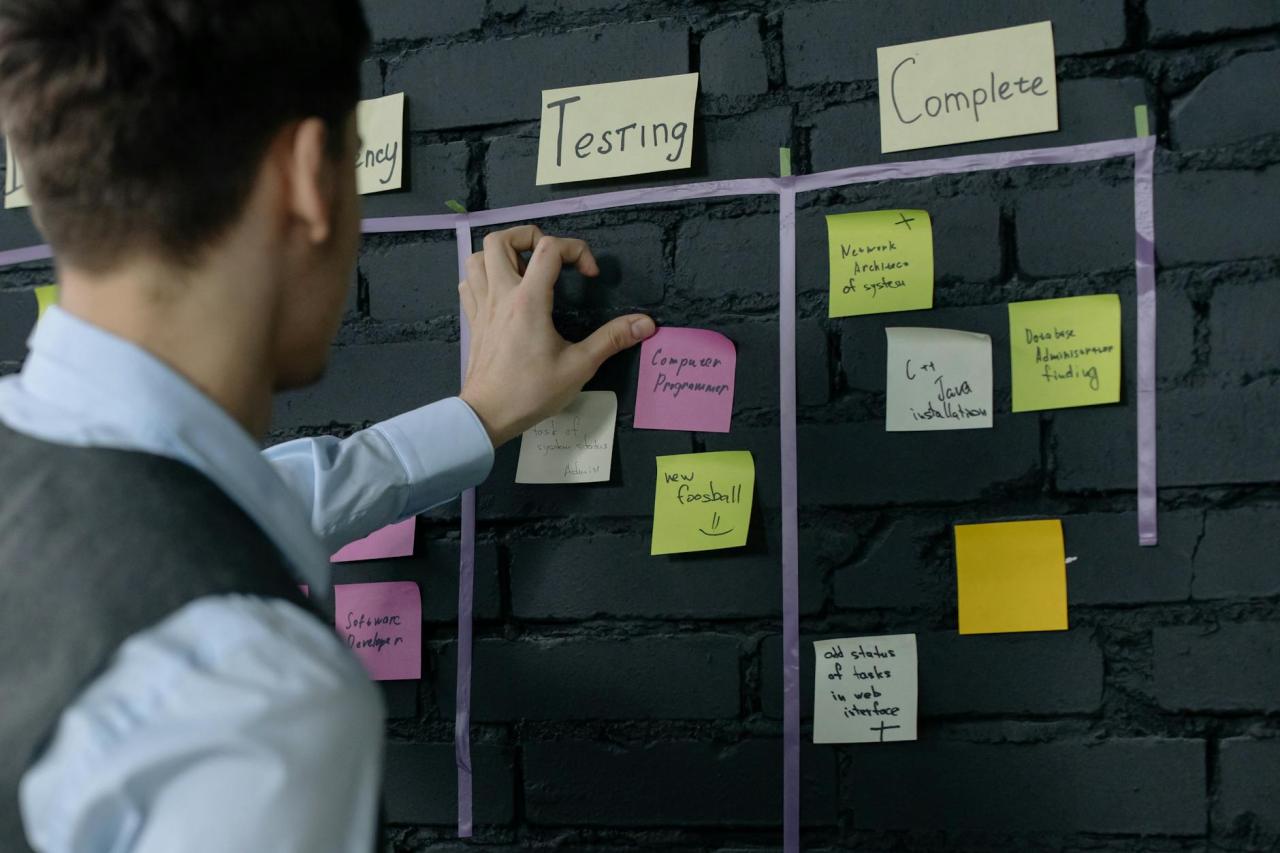
B. The Core Workflow: Sustaining the Zone of Concentration.
-
Strategic Soundscaping: Match the ASMR audio to the nature of your task. For intense, creative work (writing, coding, design), opt for non-verbal, rhythmic sounds like keyboard tapping, pencil writing, or rain sounds. For repetitive, administrative tasks (data entry, organizing), whispered guidance or soft-speaking role plays can provide a comforting, guiding narrative.
-
The Pomodoro-ASMR Fusion: Enhance the famed Pomodoro Technique. Use a 25-minute focus block accompanied by instrumental ASMR. When the timer rings, take a 5-minute break with a different, more personal ASMR trigger (like gentle personal attention or hand movements) to genuinely detach and reset, making the return to work more effective.
-
Tactile ASMR Integration: Incorporate physical ASMR triggers into your workspace. Use a textured mousepad, a favored pen with a satisfying click, or a high-quality mechanical keyboard. The deliberate, tactile feedback from these tools provides micro-moments of sensory reward that reinforce the focused behavior.
C. The Wind-Down Protocol: Cementing Learning and Transition. How you end a work block is as crucial as how you start it.
-
ASMR-Assisted Review: Spend the last 5 minutes of your work session reviewing what you’ve accomplished while listening to calm, affirming whispered narration. This helps in memory consolidation and provides a sense of closure, preventing work thoughts from leaking into personal time.
-
Transitional Trigger: Have a specific, short ASMR video or sound (e.g., a soft “good job,” a book closing) that you ONLY listen to at the end of work. This creates a classical conditioning effect, helping your brain disengage from “work mode” efficiently.
Section C: Optimizing for Different Work Styles and Cognitive Challenges
ASMR is not one-size-fits-all; its application must be tailored.
A. For the Creative Professional (Writer, Designer, Musician): Focus on ambient, abstract sounds to avoid linguistic interference. Sounds like brush strokes, clay molding, ambient nature with subtle crinkles, or low-frequency rumbles can foster the open, associative thinking required for creativity without imposing narrative structure.
B. For the Analytical Thinker (Programmer, Data Analyst, Researcher): Predictable, logical triggers are beneficial. Consider sounds of methodical typing, page-turning of a scientific journal, clear but soft-spoken explanations of complex concepts, or the systematic sounds of assembling something. This mirrors the logical sequencing of their work.
C. For Individuals with ADHD or Anxiety: ASMR can be a game-changer. The consistent auditory anchor helps regulate attention and reduce the impulse for task-switching. The stress-reduction effects directly counteract the overwhelm that often paralyzes productivity. Starting with shorter sessions (10-15 minutes) and using triggers that are slow-paced and without sudden changes is recommended.
Section D: Advanced Techniques and Long-Term Workflow Integration
To move from casual use to a systemized approach, consider these advanced strategies.
A. Creating a Personalized ASMR Library: Curate playlists for specific tasks: “Deep Coding,” “Creative Writing Flow,” “Sunday Planning,” “Email Triage.” Use offline downloads or dedicated browser profiles to avoid the distraction of algorithm-driven recommendations.
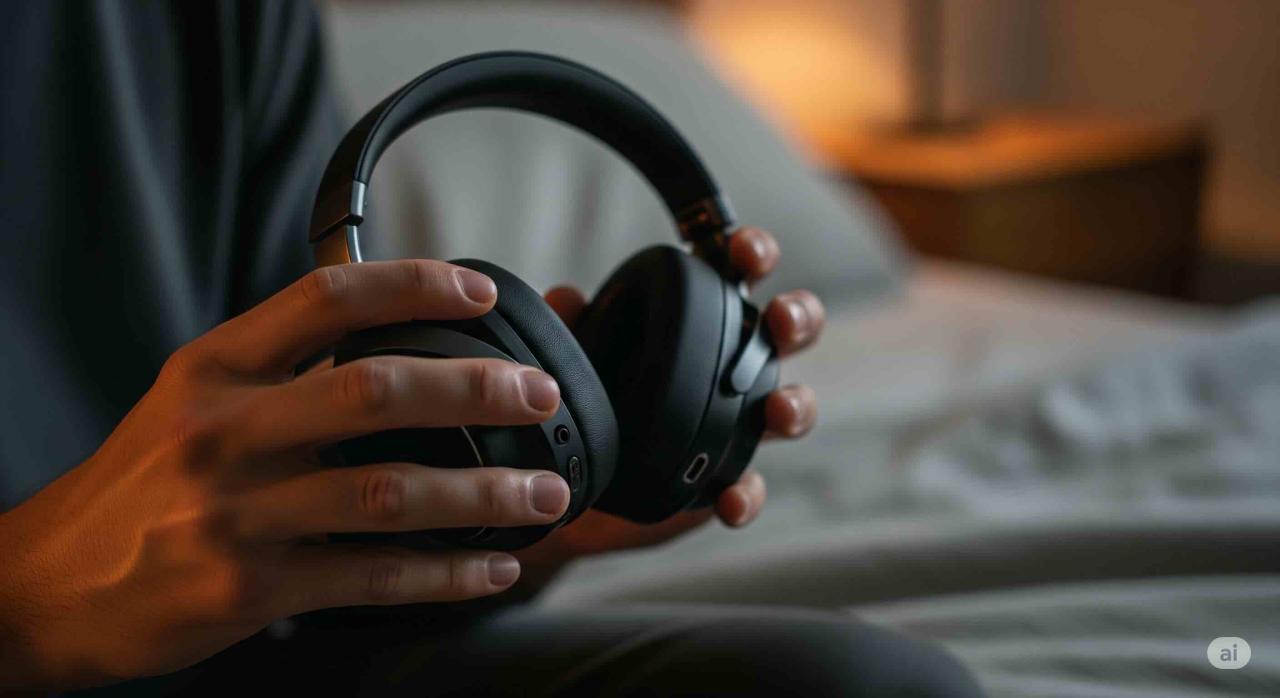
B. Pairing with Other Productivity Methodologies:
-
Getting Things Done (GTD): Use whispered ASMR videos during the weekly review or while processing your inbox. The calm tone can make organization feel less daunting.
-
Time Blocking: Assign specific ASMR soundscapes to different time blocks on your calendar, creating an auditory cue for what type of focus is required.
C. Measuring Impact and Iterating: Keep a simple log. Note the ASMR trigger used, the task performed, and a subjective rating of focus depth (1-10). Over time, patterns will emerge, allowing you to refine your personal ASMR-for-focus formula. Pay attention to diminished returns; rotating triggers prevents habituation.
Conclusion: The Future of Intentional Work
ASMR is far more than a curious internet trend. It is a legitimate, accessible, and highly personalized tool for hacking the brain’s attentional systems. By moving from passive consumption to active, strategic integration into our workflows, we can architect environments of profound concentration. In the battle against the endless distractions of the digital age, the soft whispers, deliberate taps, and soothing rhythms of ASMR offer a powerful, scientifically-grounded symphony for the mind. It represents a shift towards intentional work where cognitive state management becomes as important as task management. By embracing these principles, we don’t just get more work done; we achieve a higher quality of thought, greater creative insight, and a more sustainable, calm command over our professional and personal projects, ultimately unlocking our true potential for focused excellence.