Coffee has transcended its fundamental role as a morning beverage to become one of the most significant cultural markers of modern social identity. In cities across the globe, from Jakarta to New York, London to Tokyo, the way individuals consume coffee has evolved into a complex language of self-expression, social positioning, and cultural affiliation. This transformation did not happen overnight but emerged through decades of shifting consumption patterns, marketing innovations, and the natural human desire to belong to communities that share similar tastes and values.
The phenomenon of coffee as a social identifier is particularly fascinating because it operates on multiple levels simultaneously. At its most basic, coffee remains a functional product that provides caffeine and helps people wake up. However, layered upon this utilitarian foundation is an elaborate system of meanings that individuals use to signal their social status, cultural awareness, economic standing, and personal values. The choice between instant coffee and a single-origin pour-over, between a chain coffee shop and an independent roaster, between drinking at home and posting a latte art picture on social media—each decision carries weight in the intricate dance of social identity construction.
Understanding this phenomenon requires examining the historical trajectory of coffee consumption, the economic forces that have shaped the industry, the psychological drivers behind consumer choices, and the digital platforms that amplify and broadcast these choices to wider audiences. Coffee has become a lens through which we can view the complexities of modern social stratification, the performance of identity in public spaces, and the ways in which global capitalism creates and exploits cultural markers.
Historical Context and Evolution
The Journey from Commodity to Cultural Symbol
Coffee’s journey from a simple agricultural commodity to a complex cultural symbol is a story of remarkable transformation. Originally discovered in Ethiopia and cultivated in Yemen, coffee spread throughout the Ottoman Empire and eventually to Europe, where it became associated with intellectual discourse in coffeehouses that earned the nickname “penny universities.” In the 17th and 18th centuries, European coffeehouses served as spaces where merchants, politicians, writers, and philosophers gathered to discuss ideas, conduct business, and socialize. These establishments helped shape the Enlightenment and the development of modern democratic institutions.
However, coffee remained a relatively uniform product for much of its history. Consumers had limited choices—they could drink coffee or not, but the variations available were minimal compared to today’s diverse offerings. The coffee itself was generally dark-roasted, bitter, and consumed with varying amounts of sugar and milk depending on local customs. The focus was primarily on the beverage’s functional effects and its role as a social lubricant rather than on the specific characteristics of the coffee itself.
The revolution in coffee identity began in earnest during the 1960s and 1970s with the emergence of specialty coffee culture, primarily in the United States. Pioneering roasters began to focus on the origins of coffee beans, treating them with the same attention that wine enthusiasts paid to grape varieties and terroir. This marked the beginning of coffee’s transformation from a generic commodity into a differentiated product that could communicate sophisticated tastes and cultural awareness.
The Third Wave Coffee Movement
The third wave coffee movement, which gained momentum in the early 2000s, represented a quantum leap in the elevation of coffee to a marker of cultural identity. This movement approached coffee as an artisanal product, emphasizing transparency, sustainability, direct trade relationships with farmers, and meticulous attention to brewing methods. Third wave coffee shops became temples of caffeine worship, with minimalist aesthetics, knowledgeable baristas, and equipment that looked more like chemistry laboratory instruments than kitchen appliances.
This movement created a new hierarchy of coffee knowledge and consumption. Being able to distinguish between Ethiopian Yirgacheffe and Colombian Supremo, understanding the differences between natural and washed processing methods, and appreciating the nuances of light versus dark roasts became markers of cultural capital. Those who possessed this knowledge could signal their sophistication, global awareness, and commitment to ethical consumption through their coffee choices.
The third wave movement also democratized coffee knowledge to some extent, making it accessible through blogs, YouTube videos, and social media. However, it simultaneously created new forms of exclusion, as those without the time, resources, or inclination to develop this knowledge could find themselves feeling inadequate in spaces dominated by coffee connoisseurs.
Economic Dimensions of Coffee Identity
Premiumization and Status Signaling
The economic transformation of the coffee industry has been remarkable. While the global commodity price of coffee has remained relatively stable, the retail price of premium coffee products has skyrocketed. Consumers now routinely pay five, ten, or even twenty dollars for a single cup of coffee that might contain less than one dollar worth of raw beans. This price differential is not primarily about the intrinsic quality of the coffee but about the meaning attached to the consumption experience.
Paying premium prices for coffee serves as a form of status signaling in contemporary consumer culture. It communicates that the individual has disposable income, cares about quality, and is willing to invest in experiences rather than just products. The visible consumption of expensive coffee in fashionable locations has become a way for individuals to signal their economic position without the vulgarity of more overt displays of wealth.
The relationship between coffee consumption and economic status is complex, however. At one end of the spectrum, people living in poverty may prioritize the caffeine content of the cheapest available coffee. At the other end, wealthy collectors might spend hundreds of dollars on rare beans. In between lies a spectrum of consumption patterns that map onto various economic positions and aspirations.
The Business of Identity
Coffee companies have become extremely adept at marketing identity through their products. Starbucks, perhaps the most successful coffee company in history, initially built its brand around the concept of the “third place”—a space between home and work where people could gather, relax, and feel part of a community. This positioning tapped into deep human needs for connection and belonging while simultaneously making the brand a vehicle for identity expression.
However, the relationship between coffee brands and consumer identity has become increasingly complex. For some consumers, visiting Starbucks signals a particular kind of cosmopolitan, middle-class identity. For others, specifically avoiding Starbucks in favor of independent coffee shops communicates a more discerning, authentic, and locally-oriented set of values. The choice between these options has become a meaningful social signal, with each side believing their preference represents superior taste and values.
This dynamic has created a fascinating phenomenon where coffee consumption preferences can serve as a proxy for political and cultural affiliations. In many communities, preferring Starbucks over independent coffee shops is associated with mainstream, conventional values, while preferring independent shops signals progressive, alternative, or countercultural leanings. This split has been studied extensively in urban sociology and consumer research.
Coffee Consumption in Public Spaces
The Coffee Shop as Social Stage
Coffee shops have evolved into the primary stage where much of the performance of modern social identity takes place. These spaces serve multiple functions simultaneously: they are workplaces for freelancers and remote workers, meeting places for friends and colleagues, dating venues, and spaces for solitary reflection and observation. The coffee shop has become a hybrid environment that blurs the boundaries between public and private, work and leisure, socializing and solitude.
The performance of identity in coffee shops occurs through numerous channels. The choice of drink itself communicates information about the individual—a complex espresso drink suggests sophistication, a simple black coffee might signal no-nonsense practicality, a trendy oat milk latte communicates health consciousness and environmental awareness. The way someone interacts with baristas, the devices they use while sitting in the shop, the people they meet, and even where they choose to sit all contribute to the identity performance.
Coffee shops have also become important spaces for the display of professional identity. The rise of remote work has turned coffee shops into satellite offices, where knowledge workers type on laptops, take phone calls, and conduct meetings. In this context, the coffee shop becomes a stage for displaying professional status—those who can afford to work in the most fashionable coffee shops, buying multiple drinks throughout the day, demonstrate a particular kind of professional success.
The Aesthetics of Coffee Consumption
The visual aspects of coffee consumption have become increasingly important as a medium for identity expression. Latte art, elaborate cup designs, aesthetically pleasing shop interiors, and the careful staging of coffee photos for social media all contribute to the aesthetic dimension of coffee identity. This visual emphasis has turned coffee consumption into a form of aesthetic practice that participants engage in for its own sake.
Coffee aesthetics also serve as a marker of cultural competence. Those who can identify well-executed latte art, appreciate the design choices in a coffee shop’s interior, and photograph their coffee in visually compelling ways demonstrate a kind of cultural literacy that has real social value. This aesthetic knowledge is learned through immersion in particular social circles and serves to distinguish insiders from outsiders.
The aestheticization of coffee has also had economic implications. Coffee shops have become design showcases, with owners investing significant resources in creating Instagram-worthy interiors that will attract customers seeking to photograph themselves in beautiful environments. This has created an economic ecosystem where aesthetics have become a primary competitive advantage rather than a secondary consideration.
Digital Dimensions of Coffee Identity
Social Media and the Performance of Taste
Social media platforms have dramatically amplified the role of coffee in identity construction by providing a global stage for the performance of consumption. Instagram, in particular, has become the primary platform for coffee-related identity displays, with millions of users posting photos of their coffee drinks, coffee shop visits, and home brewing setups. These posts serve as visual resumes of taste and lifestyle, allowing individuals to curate and project particular images of themselves.
The effectiveness of social media in facilitating identity construction through coffee lies in its visual nature, its algorithmic amplification of aesthetic content, and its role as a permanent record of lifestyle choices. A well-photographed coffee from an obscure specialty shop communicates not just a momentary consumption choice but positions the individual within a larger narrative of cultural sophistication and global awareness. The geographic and cultural specificity of certain coffee consumption choices becomes part of a digital identity that persists over time.
However, social media also creates pressures and anxieties around coffee consumption. The constant exposure to others’ seemingly perfect coffee experiences can lead to feelings of inadequacy or the sense that one’s own consumption is insufficiently sophisticated. These pressures can drive individuals to seek out increasingly obscure or expensive coffee experiences in an effort to maintain their position in social hierarchies of taste.
The FOMO Effect and Coffee Experiences
The fear of missing out (FOMO) has become a significant driver of coffee consumption patterns, particularly among younger consumers. When social media is filled with images of friends enjoying rare coffee experiences, limited-edition blends, or visits to newly opened trendy coffee shops, the pressure to participate in these experiences becomes powerful. This dynamic has created demand for “experience coffee” and limited-time offerings that generate social media buzz.
The phenomenon of limited-edition coffee releases, often in collaboration with celebrities, fashion brands, or cultural events, capitalizes on this FOMO effect. These offerings create artificial scarcity that drives demand and positions consumption as participation in a cultural moment. Those who secure these limited products can demonstrate their cultural currency and social connections through their ability to access rare experiences.
This dynamic also contributes to the rapid turnover of trends in coffee culture. What was fashionable yesterday becomes passé today, driving a continuous cycle of consumption. The need to keep up with evolving standards of taste creates both economic opportunities for coffee sellers and economic pressures for consumers.
Cultural Variations in Coffee Identity
Cross-Cultural Perspectives on Coffee Consumption
Coffee identity varies significantly across different cultural contexts, reflecting local histories, economic conditions, and cultural values. In Italy, coffee remains closely tied to traditional consumption patterns, with espresso consumed standing at the bar in brief social encounters. The identity associated with Italian coffee consumption emphasizes simplicity, tradition, and immediacy, contrasting with the elaborate coffee rituals of specialty culture.
In South Korea and Japan, coffee culture has developed distinctive characteristics that blend global influences with local practices. The elaborate aesthetic presentation of coffee in Korean and Japanese coffee shops emphasizes visual perfection, attention to detail, and the creation of immersive experience. These variations demonstrate that coffee identity is not monolithic but adapts to local cultural frameworks while participating in broader global conversations about taste.
In coffee-producing countries like Indonesia, Ethiopia, Colombia, and Vietnam, the relationship between coffee and identity takes on additional dimensions related to national pride, agricultural heritage, and economic development. Coffee becomes a vehicle for expressing cultural identity and connection to land and tradition. The rise of domestic specialty coffee consumption in producing countries represents a complex negotiation of global and local identities.
Generational Differences in Coffee Identity
Coffee identity also varies significantly across generational cohorts. Older generations may associate coffee primarily with functional consumption, social rituals around coffee breaks at work, or particular brand loyalties formed in different economic contexts. Younger generations, having grown up in the era of specialty coffee and social media, often have more sophisticated coffee vocabularies and orient their consumption around different values.
Millennials and Generation Z have been the primary drivers of the specialty coffee movement, prioritizing the experiential and ethical dimensions of coffee consumption. These generations are more likely to seek out coffee that is certified organic, ethically sourced, and produced with attention to environmental sustainability. The coffee choices of younger consumers often reflect a broader engagement with social and environmental issues that distinguishes them from older generations.
However, generational differences in coffee identity are not simply linear progressions toward increased sophistication. Each generation develops its own coffee culture in dialogue with prevailing economic conditions, cultural movements, and technological possibilities. The coffee identity of any generation is shaped by the specific historical circumstances of its formation.
Psychological Dimensions of Coffee Identity
Identity Construction Through Consumption
From a psychological perspective, coffee consumption is a form of identity construction that serves multiple functions. First, it allows individuals to affiliate with desired social groups by adopting their consumption patterns. Second, it enables individuals to differentiate themselves from others by selecting distinctive coffee experiences. Third, it provides a means of self-expression that communicates internal states and values to external observers.
The psychological literature on self-concept and consumption suggests that the things we consume become part of how we define ourselves. Coffee, because it is consumed publicly and frequently, becomes particularly significant for identity construction. Regular coffee habits create a consistent identity narrative, while occasional distinctive coffee experiences signal special occasions or aspirations.
The attachment to particular coffee brands, shops, or preparation methods can become part of an individual’s psychological identity, resistant to change even in the face of quality or convenience considerations. This psychological investment in coffee identity explains why coffee companies invest heavily in brand building and why consumers can become defensive about their coffee preferences.
The Dopamine Reward System and Coffee Identity
The neurological aspects of coffee consumption add another layer to its role in identity construction. The caffeine in coffee activates the dopamine reward system, creating positive associations that extend beyond the physical effects of the drug. When individuals post about their coffee consumption on social media, receive likes and positive comments, and feel a sense of belonging to coffee communities, these social rewards further reinforce the identity significance of coffee.
The combination of biological reward and social validation creates a powerful system in which coffee consumption becomes increasingly integrated into identity. The anticipation of a good coffee, the ritual of preparation, the sensory experience of consumption, and the social recognition all combine to make coffee an exceptionally effective vehicle for identity construction.
This neurological dimension also explains why coffee identity can become a source of conflict or anxiety. When coffee consumption is challenged—for example, by health concerns, environmental arguments, or the preferences of others—it can be experienced as an attack on identity itself. The deep integration of coffee into personal and social identity makes these challenges particularly significant.
Ethical Dimensions of Coffee Identity
Sustainability and Conscious Consumption
The growing awareness of social and environmental issues in the coffee supply chain has added an ethical dimension to coffee identity. Consumers increasingly use their coffee choices to express values related to sustainability, fair trade, environmental protection, and social justice. The decision to buy fair-trade certified coffee, to support roasters with transparent supply chains, or to choose brands that prioritize environmental sustainability communicates a set of ethical commitments.
This ethical dimension of coffee identity creates new forms of social distinction. Those who are knowledgeable about the social and environmental implications of coffee production and who make choices aligned with progressive values can demonstrate their moral sophistication and global awareness. Conversely, the consumption of coffee from companies associated with poor labor practices or environmental damage can carry social costs, marking the consumer as insufficiently concerned with important issues.
However, the ethical dimension of coffee identity also raises questions about the authenticity and effectiveness of consumption-based political action. Critics argue that the emphasis on individual consumer choices can serve as a substitute for more systemic political engagement, allowing individuals to feel virtuous without challenging the underlying structures of economic exploitation. The relationship between ethical coffee consumption and meaningful political action remains contested.
The Complexity of Ethical Coffee Choices
The ethical dimensions of coffee identity are made more complex by the competing values that consumers must navigate. A coffee might be fair-trade certified but produced using practices that contribute to environmental degradation. It might be organic but produced under conditions of social exploitation. It might be both fair-trade and organic but transported using methods that contribute significantly to carbon emissions.
This complexity creates opportunities for sophisticated identity performance but also generates cognitive dissonance and anxiety among ethically conscious consumers. The impossibility of making perfect ethical choices can lead to paralysis or to the adoption of simplistic narratives that obscure difficult tradeoffs. The coffee industry has responded to this complexity by creating various certification systems and marketing narratives that simplify ethical decision-making.
The relationship between ethical coffee consumption and identity is further complicated by the accessibility of ethical products. Premium-priced, certified coffees are more accessible to affluent consumers, creating a situation where ethical consumption becomes a marker of economic privilege rather than genuine commitment to justice. This tension between the egalitarian aspirations of ethical consumption and its class-based realities has been the subject of significant academic debate.
Future Trends in Coffee Identity
Technological Innovation and Changing Patterns
Technology will continue to reshape coffee identity in profound ways. Artificial intelligence and machine learning are beginning to influence coffee recommendations, with algorithms increasingly able to predict individual taste preferences. The development of smart coffee machines that can be controlled by phone apps and programmed to produce customized beverages will further personalize the coffee experience.
The rise of crypto coffee, blockchain-based coffee tracking, and other technological innovations will add new layers to coffee identity. Consumers who are early adopters of these technologies may gain status through their technological sophistication. The ability to track coffee from bean to cup through blockchain technology may also enhance the ethical credibility of coffee consumption.
However, technological innovation also raises questions about the authenticity and meaning of coffee identity. If coffee experiences become increasingly mediated by technology, will they maintain their significance as markers of identity? Or will the authenticity that coffee identity depends on be undermined by the very technologies that seem to enhance it? These questions will likely become central to debates about coffee culture in the coming years.
Sustainability and Climate Change
Climate change represents an existential threat to coffee production, with rising temperatures, changing rainfall patterns, and increased pest pressure threatening coffee-growing regions worldwide. The impact of climate change on coffee will fundamentally reshape coffee identity in the coming decades. As coffee becomes more scarce and expensive, its role as a marker of identity may evolve dramatically.
The response to climate change in the coffee industry may create new identity markers related to climate consciousness and adaptation. The consumption of coffee grown in innovative ways, the development of new coffee cultivars, and the exploration of alternative regions for coffee cultivation will all create new opportunities for identity expression. Those who are early adopters of climate-adapted coffee may gain status as forward-thinking, environmentally conscious consumers.
Climate change also highlights the geopolitical dimensions of coffee identity. The dependence of wealthy nations on coffee grown in developing countries creates complex power dynamics that will be exacerbated by climate impacts. The relationship between coffee-consuming societies and producing societies, already complicated by colonial histories, will become even more fraught as competition for limited coffee resources intensifies.
Diversity and Inclusion in Coffee Culture
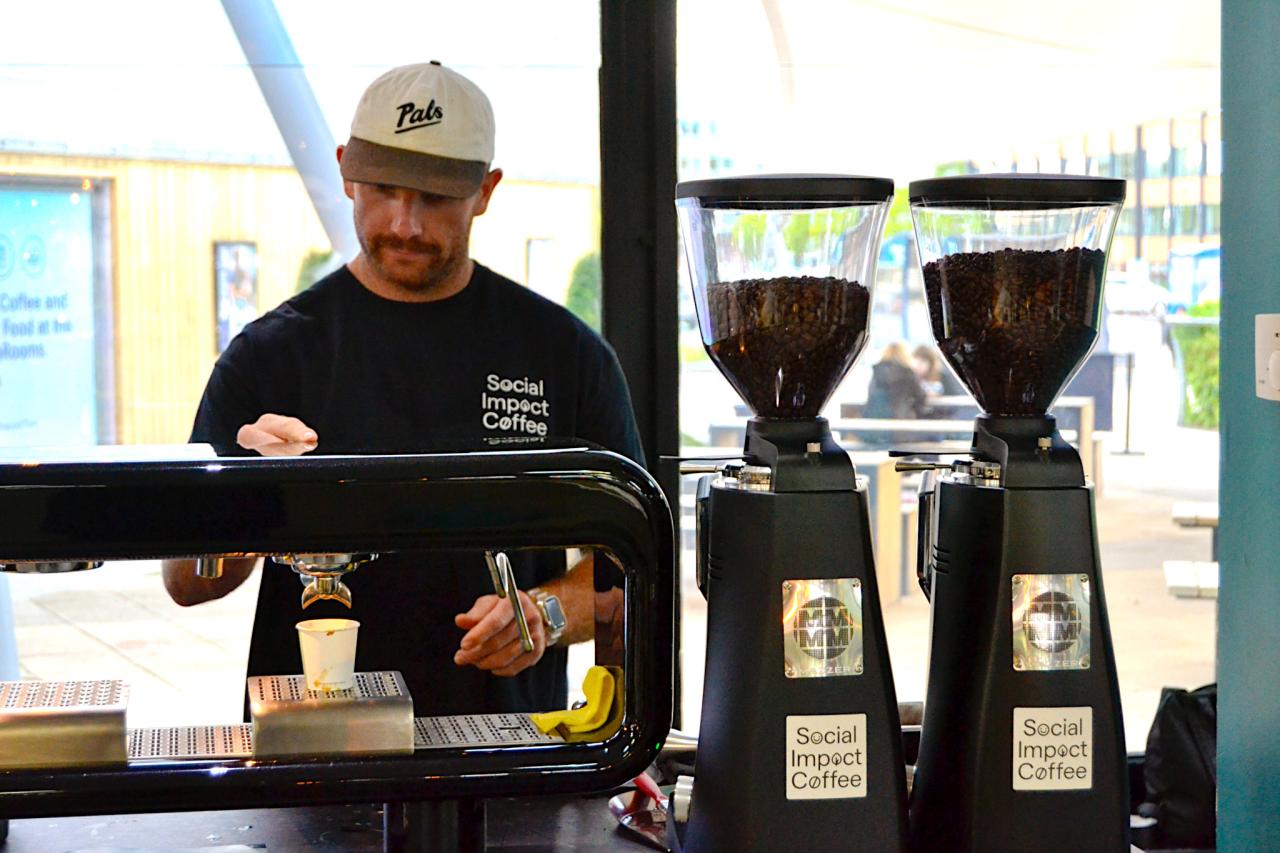
The increasing recognition of diversity and inclusion issues in coffee culture represents another important trend shaping coffee identity. The specialty coffee industry, like many other elite cultural spheres, has been criticized for its lack of diversity, particularly in leadership positions. Efforts to make coffee culture more inclusive may reshape the identity meanings associated with coffee.
Initiatives such as Black Coffee, a platform dedicated to celebrating Black coffee professionals, and various other diversity-focused organizations are bringing new perspectives to coffee culture. These efforts are making visible the contributions of groups that have been marginalized in the specialty coffee narrative while challenging the assumptions that have shaped coffee identity.
The future of coffee identity is likely to be more inclusive and diverse, with multiple ways of being a coffee person that do not require mastery of the dominant cultural codes. This inclusivity may reduce some of the exclusionary dynamics that have characterized coffee culture while creating new opportunities for identity expression among previously underrepresented groups.
The Global Coffee Landscape
The Role of Producing Countries in Shaping Coffee Identity
Coffee-producing countries are increasingly asserting themselves in global coffee culture as producers and consumers of premium coffee. The emergence of vibrant specialty coffee scenes in countries like Colombia, Ethiopia, and Indonesia is shifting the global center of coffee culture away from its traditional Western focus. This shift is creating new and more diverse coffee identities that reflect authentic connections to coffee origins.
The cultural authority that comes from being in a coffee-producing country carries significance in global coffee identity hierarchies. Consumers from producing countries may be seen as having more authentic connections to coffee culture, while those from consuming countries may be viewed as cultural tourists or appropriators. These dynamics are creating new complexities in the global coffee identity landscape.
The economic implications of this shift are also significant. As producing countries develop domestic specialty coffee markets, they reduce their dependence on export markets and create opportunities for local economic development. The relationship between coffee identity and economic development may become increasingly intertwined, with coffee consumption becoming a vehicle for national pride and economic transformation.
Coffee Tourism and Identity
Coffee tourism has emerged as a significant phenomenon, with individuals traveling to coffee-producing regions to learn about coffee production, participate in harvest activities, and visit famous coffee farms. This tourism represents an extension of coffee identity into travel and leisure, with coffee knowledgeable travelers gaining status through their ability to connect with coffee at its source.
The development of coffee tourism has created new opportunities for identity expression through travel narratives. Sharing photos and stories from coffee origin visits on social media establishes the traveler as a serious coffee enthusiast and someone with the resources and cultural awareness to engage with coffee in its authentic context. This form of identity performance positions the traveler as a kind of cultural insider with privileged access to the authentic coffee experience.
However, coffee tourism also raises questions about the authenticity of these experiences and their relationship to the inequalities that characterize the global coffee industry. The transformation of coffee farms into tourist destinations can create economic opportunities but can also obscure the difficult realities of agricultural labor. The performance of coffee authenticity through tourism may serve more to satisfy the identity needs of tourists than to improve the lives of coffee producers.
Conclusion

Coffee has become a remarkably powerful vehicle for modern social identity, encompassing economic status, cultural knowledge, ethical commitments, aesthetic sensibilities, and social affiliations. The evolution of coffee consumption from a simple functional beverage to a complex signifier of identity reflects broader changes in consumer culture and the increasing importance of consumption as a means of self-expression and social positioning.
The global nature of coffee culture ensures that coffee identity operates simultaneously on local, national, and international levels, creating a complex system of meaning that individuals navigate to establish their place in social hierarchies. The digital amplification of coffee identity through social media has intensified these dynamics, making the performance of coffee taste accessible to wider audiences while also creating new pressures and anxieties around consumption choices.
The future of coffee identity will be shaped by a range of factors, including technological innovation, climate change, sustainability concerns, and efforts to make coffee culture more inclusive. The coffee that appears in cups tomorrow will likely look different and carry different meanings than the coffee of today, reflecting broader transformations in the relationship between consumer goods and identity.
Understanding coffee as a marker of social identity provides insight into larger questions about how individuals construct meaning in consumer society, how global economic systems shape local cultural practices, and how the boundaries between economic production and cultural expression become blurred in contemporary capitalism. The humble coffee cup carries within it a world of meaning that connects individual identity to global economic systems and cultural flows.
As we reflect on the significance of coffee in shaping modern social identity, we might consider the choices we make about our own coffee consumption not just the quality of the drink, but the meanings we attach to it, the communities we join through it, and the values we express through it. Coffee, in its complexity, offers a mirror to the complexities of our own identities and the social worlds we inhabit.