In an era dominated by constant digital notifications, bustling urban environments, and an ever-present soundtrack of daily life, a profound counter-movement is gaining momentum. This movement seeks not just a change of scenery, but a fundamental shift in how we experience our surroundings and ourselves. At the forefront of this trend is Silent Hiking, a practice that strips away conversation, music, and technological distractions to immerse the individual fully in the natural soundscape. Far from being merely a walk without talking, silent hiking is a deliberate, transformative wellness discipline that merges the physical benefits of hiking with the profound psychological rewards of deep mindfulness and sensory immersion. This comprehensive guide delves into the origins, multifaceted benefits, practical methodologies, and future implications of this rapidly growing practice, positioning it not as a passing fad, but as an essential tool for modern well-being.
A. Deconstructing the Practice: What Truly Constitutes Silent Hiking?
At its core, silent hiking is an intentional practice of solitude and sensory focus. It requires participants to embark on a hike whether solo or in an agreed-upon group while abstaining from verbal communication, listening to music or podcasts, and actively using phones or cameras. The objective is to redirect the attention typically spent on external input towards the intricate details of the natural environment and the internal landscape of one’s own mind.
A. The Philosophy of Intentional Quiet: Unlike a typical quiet moment, silent hiking is a proactive commitment. It’s a pact with oneself to engage in active listening not to human voices, but to the rustle of leaves, the pattern of bird calls, the crunch of earth underfoot, and the distant murmur of water. This philosophy is rooted in various ancient contemplative traditions but has been adapted for the secular, modern seeker of peace.
B. Solo vs. Group Silent Hikes: The practice manifests in two primary forms. Solo hikes offer the deepest dive into personal introspection and unstructured self-discovery. Group silent hikes, often led by a guide, provide a shared, yet individually profound, experience where the collective energy of focused silence creates a powerful, supportive container. Participants often gather at the beginning and end to share insights, but the journey itself is wordless.
C. Distinction from Similar Practices: It’s crucial to differentiate silent hiking from related concepts. While it incorporates elements of Forest Bathing (Shinrin-yoku), which emphasizes the therapeutic absorption of the forest atmosphere, silent hiking is more physically active and less structured in its sensory prompts. It also differs from meditation walks, which often involve a specific, repetitive focus on breath or a mantra; silent hiking allows the focus to flow freely with the environment.
B. Historical and Cultural Antecedents: A Practice Rooted in Wisdom
While the term “silent hiking” is modern, the principle is ancient. Cultures worldwide have long recognized the restorative power of silent communion with nature.
A. Monastic and Spiritual Traditions: For millennia, monastic orders across Buddhism, Christianity, and Hinduism have incorporated silent walks into their contemplative routines. Pilgrimages, often undertaken in prolonged periods of silence, are a form of endurance silent hiking aimed at spiritual transformation.
B. Indigenous Wisdom: Many Indigenous cultures hold deep-seated practices of silent observation and listening in nature as a means of gaining knowledge, tracking, understanding ecological balances, and receiving guidance. This respectful, receptive stance is a cornerstone of the silent hiking ethos.
C. The Modern Synthesis: The contemporary wellness trend synthesizes these timeless wisdoms with a pressing modern need: to combat the epidemic of digital overload, anxiety, and disconnection from the natural world. It is a secular, accessible application of ancient principles for contemporary mental health.
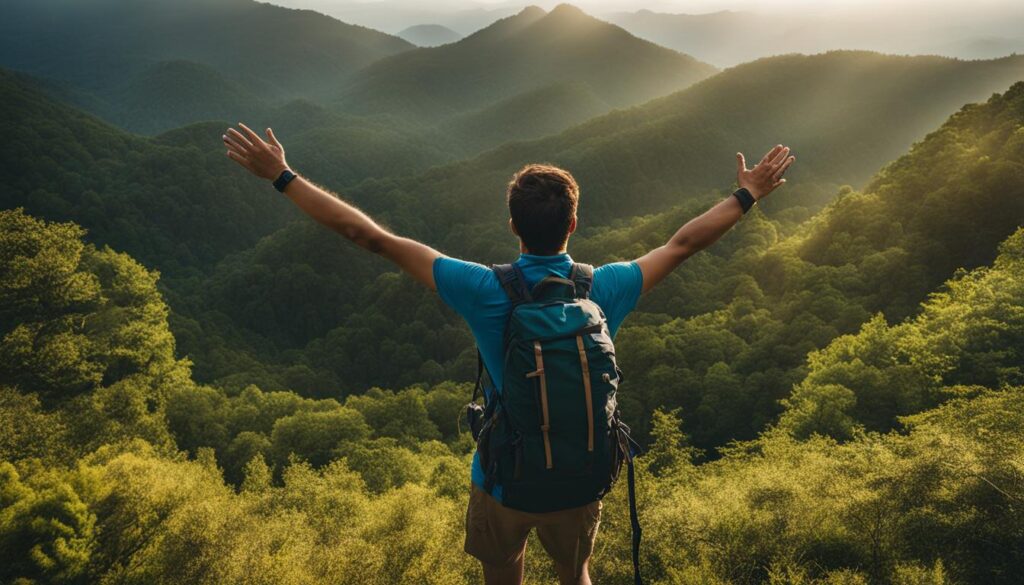
C. The Multidimensional Benefits: Why Science Backs the Silence
The appeal of silent hiking is not merely anecdotal; a growing body of scientific research validates its wide-ranging benefits for human health, which extend far beyond the physical exertion of the hike itself.
A. Cognitive Replenishment and Mental Clarity: The brain’s default mode network, active during rest and introspection, is crucial for creativity, memory consolidation, and self-referential thought. Constant noise and task-switching suppress this network. Silent hiking, by removing these demands, allows the brain to enter a state of “soft fascination,” replenishing depleted cognitive resources and leading to breakthroughs in problem-solving and creative thinking.
B. Enhanced Sensory Awareness and Neurological Recalibration: With the auditory channel freed from human language and digital noise, the other senses become heightened. This practice of sensory sharpening noticing the gradations of green, the texture of bark, the scent of damp soil engages the brain in novel ways, creating new neural pathways. This can break cycles of rumination and anchor the mind firmly in the present moment, a key tenet of mindfulness.
C. Profound Stress and Anxiety Reduction: The combination of physical exercise, natural surroundings, and silence creates a potent trifecta against stress. Exercise releases endorphins. Nature exposure lowers cortisol (the stress hormone) and blood pressure. Silence has been shown to reduce amygdala activity (the brain’s fear center) and promote the growth of new cells in the hippocampus, a region vital for emotion and memory. This synergy makes silent hiking a powerful, non-pharmaceutical intervention for anxiety disorders.
D. Deepened Emotional Regulation and Introspection: The uninterrupted space allows suppressed emotions and thoughts to surface and be processed without immediate reaction or judgment. Walkers often report moving through layers of mental chatter into a state of calm equanimity. This process fosters emotional resilience and self-awareness.
E. Fostering a Sustainable Environmental Ethos: Silent hikers often develop a more profound, empathetic connection to the environment. By listening to it, they become more attuned to its fragility and intricacies, naturally cultivating a conservation mindset. This transforms the hike from a recreational activity into a reciprocal relationship with the natural world.
D. Implementing the Practice: A Step-by-Step Guide to Your First Silent Hike
Transitioning from a standard hike to a silent one requires preparation and intention. Here is a structured guide to ensure a safe and rewarding experience.
A. Pre-Hike Preparation: Setting Intentions and Logistics
-
Start Small: Choose a familiar, well-marked trail of moderate length and difficulty. A 2-3 hour hike is an excellent starting point.
-
Inform Others: Always tell someone your route and expected return time, especially if hiking solo.
-
Intention Setting: Before you begin, take a moment to articulate your intention whether it’s to reduce stress, seek clarity on a specific issue, or simply to observe.
-
Digital Detox: Turn your phone to airplane mode or, ideally, leave it in the car. If necessary for safety, keep it powered on but out of sight and hearing.
-
Gear Minimization: Carry only essentials water, snacks, weather-appropriate clothing, a basic first-aid kit. Avoid guidebooks or cameras that tempt you into a transactional relationship with the landscape.
B. The On-Trail Protocol: Engaging Mindfully
-
The Commencement Ritual: At the trailhead, take three deep breaths. Consciously decide to begin your period of silence.
-
Pacing for Presence: Walk slower than your usual pace. The goal is not summit conquest but sensory immersion.
-
The Five Senses Check-In: Periodically, pause and consciously note:
-
Hearing: What is the farthest sound you can hear? The closest?
-
Sight: Notice details—patterns of light and shadow, insect movements, the architecture of plants.
-
Touch: Feel the air temperature on your skin, the ground’s firmness, the texture of a rock or leaf.
-
Smell: Inhale deeply; identify the layers of scent—soil, pine, moisture, flowers.
-
Taste: The clean air often has a subtle taste.
-
-
Managing Internal Chatter: When thoughts about work or to-do lists arise, acknowledge them without judgment and gently return your focus to your breath or to a sensory detail in your environment.
C. Post-Hike Integration: Processing the Experience
-
Gradual Re-entry: At the end of your trail, don’t immediately jump back into your phone. Sit for a few minutes, journal your key impressions, thoughts, or feelings.
-
Reflective Journaling: Later, writing about the experience can solidify insights and track your personal journey with the practice.
-
Sharing with Community: If you hiked with a group, a guided sharing circle can be invaluable, revealing the unique perspectives born from the same silent journey.
E. Navigating Potential Challenges and Misconceptions
Like any practice, silent hiking presents challenges that are important to acknowledge and navigate.
A. Initial Discomfort and Boredom: The first 20-30 minutes can be the most challenging as the mind rebels against the lack of its usual stimuli. This discomfort is normal and typically gives way to a deeper state of calm.
B. Safety Considerations: Silence does not mean obliviousness. Maintain situational awareness. On shared trails, it is courteous and safe to briefly acknowledge other hikers with a nod or smile.
C. The “Performance” Trap: The goal is not to achieve a perfectly blank mind. A wandering mind is part of the process. The practice lies in gently returning your attention, not in never losing it.
D. Accessibility and Inclusivity: The trend must be mindful of not becoming elitist. Silent hiking can be adapted city parks, botanical gardens, or even quiet neighborhoods can serve as accessible venues for those without wilderness access.

F. The Future Trajectory: Silent Hiking in the Evolving Wellness Landscape
Silent hiking is more than a trend; it is a symptom of a broader cultural shift towards intentional living and mental sovereignty.
A. Corporate and Therapeutic Adoption: Forward-thinking companies are incorporating guided silent hikes into corporate wellness retreats to combat burnout. Therapists are increasingly recommending it as an adjunct to traditional therapy for depression and anxiety.
B. Technological Paradox: Ironically, technology will play a role through apps that provide guidelines and then lock for a set period, or through curated maps of “silent hiking friendly” trails, though the ultimate aim remains to transcend device dependence.
C. Community Evolution: We will likely see the growth of more organized communities, certification for guides specializing in leading mindful nature experiences, and dedicated silent hiking retreats worldwide.
D. A Cultural Corrective: At its broadest, silent hiking represents a powerful corrective to the attention economy. It is a voluntary, reclaiming of one’s most precious resource attention and directing it towards the timeless, restorative wisdom of the natural world.
Conclusion: The Enduring Path of Quiet Discovery
Silent hiking is not an escape from life, but a deeper engagement with it. It is a practice that builds a resilient, quiet center within the individual a center that can remain anchored amidst the storms of daily life. By choosing to walk in silence, we do more than traverse a landscape; we embark on an inward journey that recalibrates our senses, clarifies our thoughts, and restores our connection to the living Earth. In the grand economy of well-being, it offers a staggering return on investment: the cost of a little time and intention, repaid with compound interest in the form of peace, perspective, and profound presence. As this practice continues to weave itself into the fabric of global wellness culture, it stands as a testament to the timeless human need for quiet, for nature, and for the transformative power of simply listening.