
In the ever-evolving landscape of wellness trends, a charming and profound movement has captured the attention of Generation Z and Millennials alike. Nonna-maxxing, a term that beautifully combines the Italian word for grandmother with the internet’s favorite suffix for optimization, represents a cultural shift away from hustle culture and towards a simpler, more intentional way of life .
This trend, which has gone viral across TikTok, Instagram, and other social media platforms, is not merely about adopting an aesthetic; it signifies a deep-seated yearning for connection, authenticity, and the wisdom of generations past . In a world characterized by digital overload, economic anxiety, and the relentless pressure to be productive, the image of an Italian grandmother or nonna living slowly, cooking from scratch, and cherishing time with loved ones offers a comforting alternative .
Understanding the Nonna-Maxxing Phenomenon
Nonna-maxxing is defined as a lifestyle trend that encourages individuals to embrace the slower, more intentional habits reminiscent of an Italian grandmother . At its core, the philosophy is deceptively simple: cook from scratch, enjoy long family meals, tend to a garden, take daily walks, and significantly reduce screen time .
Unlike other wellness fads that require expensive supplements, memberships, or complex biohacking protocols, nonna-maxxing is accessible to nearly everyone . The appeal lies in its emphasis on “doing less” but doing it more mindfully. It is a rejection of the modern wellness industrial complex and a return to the foundational principles of health and happiness that our ancestors instinctively understood .
The term “maxxing,” which originated in online self-improvement subcultures like “looksmaxxing” or “gymmaxxing,” has been repurposed to signify the optimization of an identity or lifestyle . However, nonna-maxxing flips the traditional script. Instead of intensifying efforts to achieve an ideal, it focuses on intensifying a sense of peace, presence, and connection. It is a quiet rebellion against the idea that we must constantly be “optimizing” ourselves to be worthy .
Why Gen Z and Millennials Are Embracing the Trend
The rise of nonna-maxxing is not a coincidence; it is a cultural response to the unique pressures faced by younger generations. Born into a world of constant digital connectivity, economic uncertainty, and climate anxiety, Millennials and Gen Z are experiencing unprecedented levels of stress and burnout .
A Rejection of Hustle Culture
For years, the prevailing narrative has been one of relentless self-improvement and productivity. This “hustle culture” has left many people feeling perpetually exhausted and anxious. Nonna-maxxing offers an antidote to this by promoting a slower pace of life .
Psychotherapist Doriel Jacov told Newsweek that the trend is a deep psychological response to a world that “often feels overwhelming and unstable.” The desire for simplicity and emotional connection is a fundamental human need, and nonna-maxxing provides a pathway to fulfill it .
The Fantasy of Inherited Nostalgia
The trend also taps into a fascinating concept known as hauntology, where younger generations become obsessed with lost or imagined pasts they never personally experienced . The nonna figure symbolizes stability, permanence, and continuity in a rapidly changing world. She is seen as someone who belongs somewhere, who has rituals, and who is deeply connected to her community and traditions .
Dr. Lisa Portolan, a researcher from the University of Technology Sydney, notes that the appeal relies on a “nostalgic view of the lives of southern European grandmothers” . This fantasy is incredibly powerful for a generation that is often searching for meaning and a sense of place in a world that feels increasingly fragmented .
A Critique of Digital Overstimulation
The trend represents a conscious effort to disconnect from the digital world and reconnect with the physical one. The constant scrolling, notifications, and comparisons fueled by social media have been linked to a decline in mental health .
Laurie Singer, a therapist, highlighted that “interacting with others in person, rather than spending time on screens, significantly improves mental health” . Nonna-maxxing encourages people to put down their phones and engage in real-world activities like gardening, baking, or simply sharing a meal with a friend .
The Science and Benefits Behind the Lifestyle
While nonna-maxxing may seem like a charming social media trend, many of its core principles are backed by robust scientific research. The lifestyle mirrors patterns observed in some of the world’s longest-lived populations, providing both physical and mental health benefits .
Longevity and Blue Zones
Italy is among the countries with the highest life expectancy in the world, and the island of Sardinia is a recognized Blue Zone a region where people live significantly longer and healthier lives . The lifestyle habits found in these areas, such as regular movement, a plant-rich diet, strong social connections, and a sense of purpose, align almost perfectly with the nonna-maxxing philosophy .
Erin Palinski-Wade, a registered dietitian, told Fox News Digital that the nonna-maxxing lifestyle includes “cooking from scratch, long family meals, daily walks, gardening, and less screen time,” all of which are key components of a healthy, long life .
Mental Health Benefits
The benefits of nonna-maxxing extend far beyond physical health. The trend encourages practices that are proven to boost mental well-being .
A. Reduced Stress and Anxiety: Activities like gardening, knitting, cooking, and baking are rhythmic and tactile, engaging the senses and encouraging focused attention. A landmark study published in the Journal of Positive Psychology found that everyday creative tasks boost positive energy . According to Dr. Anureet Kaur, a consultant psychologist, these activities can activate the parasympathetic nervous system, the body’s “rest and digest” mode, which helps lower stress and cortisol production .
B. Improved Social Connection: Loneliness is a growing public health concern, and it is the antithesis of the nonna lifestyle. Long, leisurely lunches with friends and family are a cornerstone of the trend. Regular social interaction and a sense of belonging are crucial for mental health, providing a buffer against depression and anxiety . Research even suggests that volunteering, a form of social engagement, is linked to a lower mortality risk and a greater sense of purpose .
C. Mindfulness and Presence: Nonna-maxxing is fundamentally about being present. It is a direct counter to the mindless scrolling that characterizes modern life. By engaging in a task like cooking or walking without distractions, individuals can achieve a state of flow, which is known to be highly beneficial for mental well-being .
Physical Health Benefits
The daily habits promoted by nonna-maxxing are also linked to significant physical health improvements.
A. Increased Movement: The trend encourages walking not as a chore, but as a natural part of daily life. A 2020 study published in the American Journal of Preventive Medicine found that just 15 minutes of brisk walking daily was linked to a reduced risk of premature death .
B. Healthier Eating: Cooking from scratch with whole ingredients, a key tenet of nonna-maxxing, leads to a more nutritious diet. It shifts focus away from processed foods and towards fresh produce, healthy fats, and home-cooked meals .
C. Better Sleep: Many of the habits, such as reducing screen time, spending time outdoors, and adopting a more relaxed pace, are conducive to better sleep . A good night’s sleep is essential for physical health, immune function, and cognitive performance.
How to Incorporate Nonna-Maxxing Into Your Life
Adopting the nonna-maxxing lifestyle doesn’t require a complete overhaul of your life or a move to a Tuscan village . The beauty of the trend lies in its simplicity and accessibility. You can begin by incorporating small, meaningful changes into your daily routine. The goal is not perfection, but rather presence. As therapist Chloë Bean puts it, “A real nonna isn’t optimizing anything, she’s just living” .
Here is a practical guide to help you embrace the nonna-maxxing philosophy:
A. Cook from Scratch
One of the most fundamental aspects of the nonna lifestyle is cooking. Replace jarred sauces with slow-cooked ragù, and ready-made meals with basic ingredients that you transform into something delicious . The focus should be on the process, not speed. Whether it is making bread, rolling gnocchi, or simmering a pot of soup for hours, cooking can be a meditative and grounding act of self-care. It is not just about the final product but the journey of creation.
B. Slow Down Your Pace
Modern culture has convinced us that multitasking is a virtue. Nonna-maxxing suggests the opposite. Embrace the concept of doing one thing at a time and doing it well. Take time to savor your morning coffee without checking your emails. Allow yourself the space to sit and do nothing, perhaps enjoying a moment of dolce far niente—the sweetness of doing nothing . This simple act of slowing down can reduce anxiety and help you reconnect with yourself.
C. Reduce Screen Time
The nonna lifestyle predates smartphones and social media. Make a conscious effort to unplug, especially during meals and other routines . Try to get through the day without scrolling while you cook, eat without a phone in your hand, and spend time in spaces without digital distractions . This can be as simple as designating the dinner table as a phone-free zone or taking a walk without headphones .
D. Bring Back Home Routines
Nonna-maxxing invites us to return to the home and take pride in caring for it. This can involve simple tasks like tidying up, watering plants, or rearranging the kitchen. Finding a form of meditation in these domestic chores can be incredibly rewarding and creates a sense of sanctuary and stability in your life .
E. Focus on “Comfort” Food
Return to the simple, homemade recipes of your own grandmothers or those of Mediterranean tradition. Think simple soups, hearty stews, and classic pasta dishes that are rich in flavor and nourishment . These meals are not just food; they are a connection to history, culture, and loved ones.
F. Prioritize Social Connection
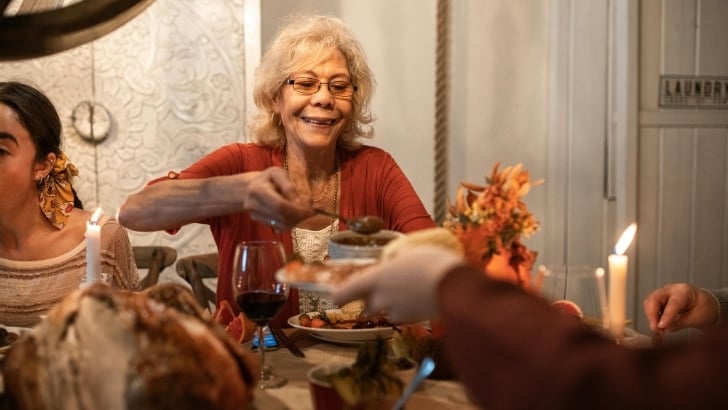
A long lunch or dinner with family and friends is a cornerstone of the nonna lifestyle . Make time to share a meal with people you care about. It is an act of attention and a powerful way to build and maintain meaningful relationships. As one expert noted, “a long lunch is not a productivity hack, it is an act of attention” .
G. Integrate Movement Naturally
Walking is one of the simplest and most effective forms of exercise. Instead of going to a gym, try walking to the store, taking a stroll after dinner, or spending some time in your garden . The goal is to weave movement into the natural rhythm of your day, just as a nonna would .
H. Know Your Neighbors and Community
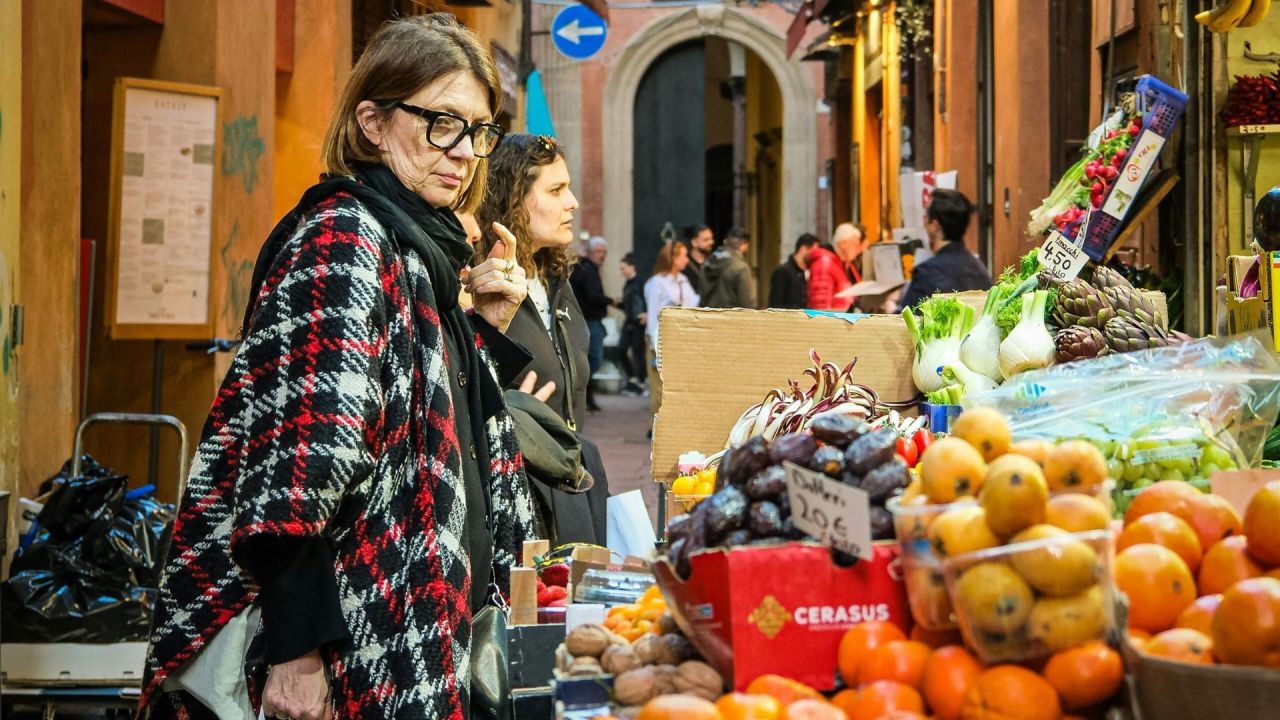
Loneliness is a serious issue. The nonna ideal is the opposite of it. Build a sense of belonging by knowing your neighbors and being part of a community . This can be as simple as saying hello to someone new, visiting a local farmer’s market, or participating in a local event.
I. Start Small
The key to making these changes stick is to start small. Don’t try to overhaul your entire life in one day. Pick one thing to focus on this week, such as eating one meal without your phone, walking somewhere you would normally drive, or calling a family member instead of texting . The goal is to build sustainable habits that will gradually shift how your days feel.
J. Let the Seasons Guide You
The nonna lifestyle is deeply connected to the rhythm of the seasons. Eat what is in season, align your activities with the weather, and allow your energy levels to ebb and flow. This connection to nature can help you feel more grounded and in sync with the world around you .
The Deeper Truth: A Cultural Diagnosis
Consumer research strategist Shampaigne Graves frames nonna-maxxing not as a “quirky internet trend,” but as a “cultural diagnosis” . The statistic that 46 percent of Gen Z workers feel regular stress is a testament to the deep-seated exhaustion driving this phenomenon .
The trend represents a questioning of what progress and feminism look like after years of a hustle culture that previous generations helped normalize. Gen Z women, in particular, are increasingly questioning whether the constant pressure to “have it all” is truly empowering or simply another form of obligation .
However, it is also important to view the trend with a critical eye. The grandmother archetype celebrated online is often a fantasy that glosses over the historical realities of these women . Many migrant women who embodied the nonna role came from societies marked by poverty, war, and patriarchy. Their domesticity was often a necessity, not a choice .
Dr. Lisa Portolan warns that the trend can drift into “cultural appropriation disguised as nostalgia,” transforming “inherited hardship into consumable moodboarding” . It is essential to appreciate the nonna figure not as a sanitized symbol of tranquility, but as a complex, resilient woman who survived and sacrificed for her family . As Portolan writes, “She deserves to remain what she always was: Complicated, resilient, burdened, funny, traumatised, resourceful and profoundly human” .
Conclusion: The Timeless Appeal of Grandmother Wisdom
Ultimately, nonna-maxxing offers a profound lesson: the solution to modern burnout might not be found in a new app or a complex biohacking protocol, but in the timeless, simple wisdom of our grandmothers . In a culture that celebrates speed and optimization, it suggests that life doesn’t always need to be productive to be valuable.
This trend is a search for what is stable, warm, and human in a world that is becoming increasingly fragmented . It reflects a basic human need to slow down, connect with others, and be present in our own lives . It is the idea that perhaps the most radical, subversive thing you can do in the modern world is simply to live like your grandmother did .
While the trend may eventually fade, the yearning for a simpler, more intentional life that it represents is likely to endure. The image of the nonna cooking in her kitchen, tending her garden, and surrounded by her family will remain a powerful symbol of a life well-lived, a life that many of us are now realizing is worth striving for.