The world of beverages is witnessing a remarkable transformation, and at the heart of this revolution lies a vibrant green powder that has captured the imagination of an entire generation. Matcha, the finely ground powder of specially grown green tea leaves, has transcended its traditional roots in Japanese tea ceremonies to become a cultural phenomenon among Generation Z. This isn’t merely a passing trend or a fleeting fad; it represents a fundamental shift in how young consumers approach their daily drinks, blending health consciousness with aesthetic appreciation and social media savviness.
The rise of matcha culture among Gen Z is a fascinating case study in modern consumer behavior. Unlike previous generations who might have gravitated toward sugary sodas or calorie-laden coffee concoctions, today’s young adults are seeking beverages that offer both functional benefits and Instagram-worthy appearances. Matcha delivers on both fronts with its striking emerald hue and reputation for providing sustained energy without the jitters associated with coffee. But the story goes much deeper than surface-level appeal.
The Historical Roots of Matcha
To truly understand why matcha has become the darling of Gen Z beverages, we must first appreciate its rich cultural heritage. Matcha has been an integral part of Japanese culture for centuries, originally introduced by Buddhist monks who recognized its ability to induce a state of calm alertness during long meditation sessions. The traditional Japanese tea ceremony, known as chanoyu, elevates the preparation and consumption of matcha to an art form, emphasizing mindfulness, precision, and respect for the ingredients.
This historical context adds layers of meaning to the modern matcha experience. When Gen Z consumers sip their matcha lattes, they’re not just enjoying a tasty beverage; they’re participating in a tradition that spans nearly a millennium. This connection to history and authenticity appeals to a generation that often feels disconnected from cultural roots and seeks meaningful experiences in their daily lives.
The Nutritional Powerhouse
One of the primary drivers behind matcha’s popularity among health-conscious young consumers is its impressive nutritional profile. Unlike traditional green tea where the leaves are steeped and discarded, matcha involves consuming the entire tea leaf in powdered form, delivering a concentrated dose of beneficial compounds. This fundamental difference means that a single serving of matcha contains significantly higher levels of antioxidants, particularly catechins, which are powerful compounds known for their disease-fighting properties.
The most notable catechin in matcha is epigallocatechin gallate, commonly referred to as EGCG. This compound has been extensively studied for its potential to support weight management, reduce inflammation, and protect against cellular damage. For a generation that prioritizes wellness and preventative health, these benefits are incredibly appealing. Additionally, matcha contains L-theanine, a unique amino acid that promotes relaxation without drowsiness, working synergistically with caffeine to produce what many describe as a state of “calm alertness.”
This combination of compounds creates a distinctive experience that sets matcha apart from other caffeinated beverages. While coffee can sometimes trigger anxiety or cause energy crashes, matcha provides a more sustained and gentle lift, making it particularly attractive to students and young professionals navigating demanding schedules.
The Social Media Factor
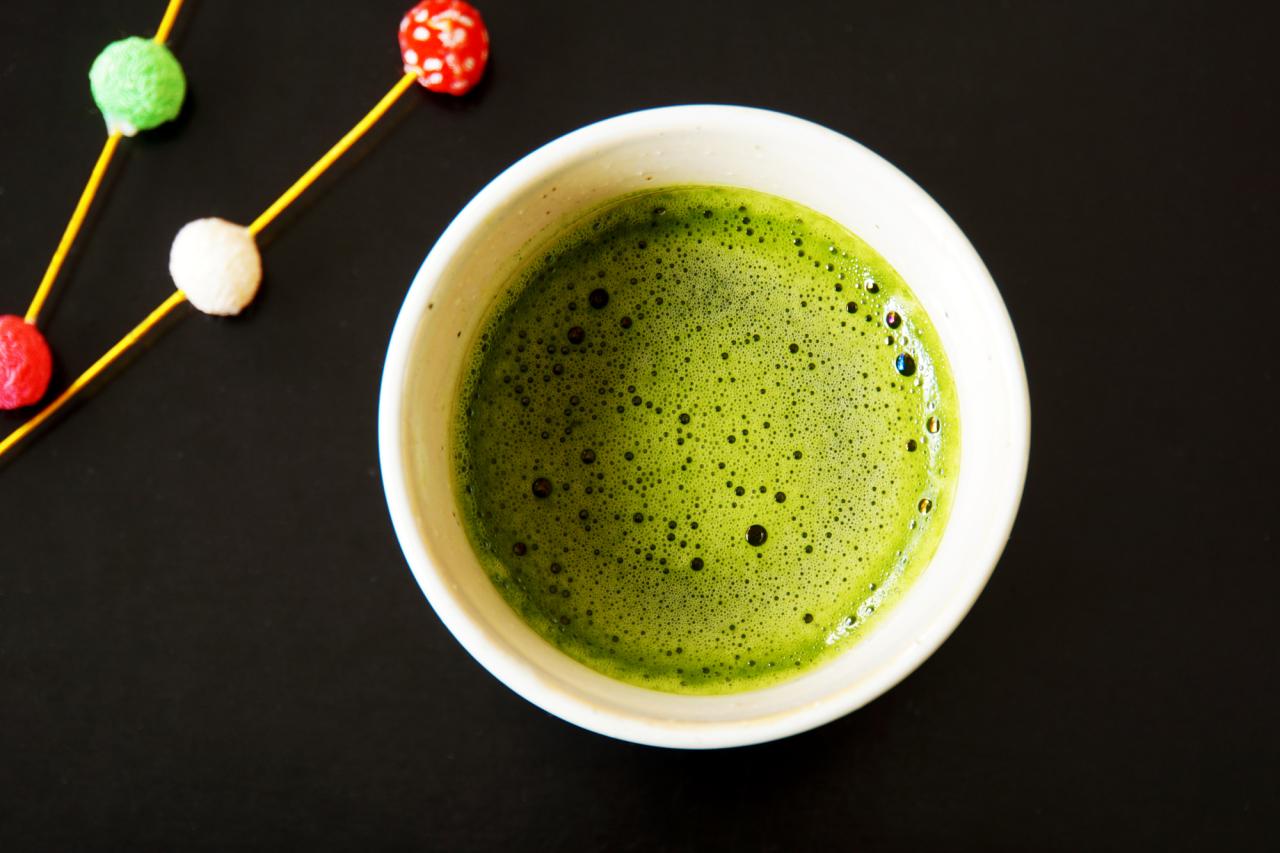
In the digital age, the visual appeal of a beverage can be almost as important as its taste, and matcha excels in this department. Its vibrant green color photographs beautifully, creating a striking contrast against white cups, colorful straws, and artistic latte art. Social media platforms like Instagram, TikTok, and Pinterest have become powerful catalysts for the matcha movement, with countless creators showcasing their beautifully crafted matcha creations to millions of followers.
The hashtag #matcha has billions of views across various platforms, with content ranging from elaborate preparation rituals to simple daily routines. This visibility has transformed matcha from a niche Asian beverage into a global lifestyle symbol. Young consumers aren’t just drinking matcha; they’re participating in a visual culture that celebrates aesthetics, mindfulness, and self-care.
Furthermore, the rise of “matcha content” has spawned an entire ecosystem of influencers, recipe developers, and content creators who continuously innovate with new ways to incorporate matcha into daily life. From matcha smoothie bowls to matcha baked goods and even matcha skincare products, the versatility of this green powder has been fully embraced by digital natives who value creativity and self-expression.
The Shift in Caffeine Culture
Traditional coffee culture has long dominated the Western beverage landscape, but Gen Z is increasingly seeking alternatives that align with their values and preferences. This generation tends to be more anxious about their health and more sensitive to the effects of stimulants. While coffee remains popular, many young consumers find that the high caffeine content and acidic nature of coffee can lead to digestive discomfort, anxiety, or sleep disruption.
Matcha offers a compelling alternative with its lower and more balanced caffeine content. A typical serving of matcha contains about 70 milligrams of caffeine compared to 100 milligrams in a standard cup of coffee, but the presence of L-theanine modifies how this caffeine is absorbed and metabolized. The result is a smoother, more sustained energy boost that doesn’t leave consumers feeling wired or anxious.
This difference has positioned matcha as a “cleaner” caffeine option, appealing to Gen Z’s broader wellness philosophy. The concept of “clean” extends beyond just physical effects to encompass ethical considerations as well. Many matcha brands emphasize sustainable farming practices, fair trade relationships, and organic certification, all of which resonate with environmentally conscious young consumers.
Customization and Personalization
Today’s young consumers have grown up in a world of endless choices and customization options, and they expect their beverages to reflect their personal preferences. Matcha culture has embraced this expectation wholeheartedly, offering countless ways to personalize the matcha experience. Whether it’s choosing between different grades of matcha, selecting alternative milk options, adjusting sweetness levels, or adding creative flavor combinations, consumers can create a drink that feels uniquely theirs.
This customization extends to the presentation as well. Baristas have elevated matcha preparation to an art form, creating intricate designs and patterns on the surface of matcha lattes. The visual appeal becomes part of the overall experience, encouraging customers to share their creations on social media, which in turn drives further interest in the beverage.
The Role of Wellness Tourism
While not directly related to the beverage itself, the rise of wellness tourism and travel experiences centered around Japanese culture has contributed significantly to matcha’s popularity. Many Gen Z travelers have visited Japan and experienced authentic tea ceremonies firsthand, returning home with a deeper appreciation for matcha and its cultural significance.
Even those who haven’t traveled to Japan have been exposed to Japanese culture through anime, films, and digital content, creating a familiarity and comfort with matcha that previous generations lacked. This cultural exposure has demystified matcha and made it feel accessible rather than exotic or intimidating.
Health Benefits in Detail
A. Rich in Antioxidants
Matcha contains one of the highest concentrations of antioxidants among all superfoods. The antioxidants in matcha, particularly catechins, help neutralize harmful free radicals in the body, potentially reducing the risk of chronic diseases and supporting overall health. The levels of EGCG in matcha are significantly higher than those found in conventional green tea, making it a powerful addition to a health-conscious diet.
B. Supports Cognitive Function
The combination of caffeine and L-theanine in matcha has been shown to enhance cognitive performance. Studies suggest that this unique pairing can improve attention, memory, and reaction time while reducing mental fatigue. For students and professionals, matcha offers a natural nootropic benefit that supports peak mental performance without the negative side effects of excessive caffeine consumption.
C. Promotes Heart Health
Regular consumption of matcha has been linked to improved cardiovascular health. The antioxidants in matcha may help reduce LDL cholesterol levels and decrease oxidative stress on blood vessels, potentially lowering the risk of heart disease. Additionally, the anti-inflammatory properties of matcha contribute to overall cardiovascular wellness.
D. Aids in Weight Management
The catechins found in matcha have been associated with enhanced metabolism and increased fat oxidation. While matcha alone isn’t a magic solution for weight loss, incorporating it into a balanced diet and regular exercise routine may provide gentle support for weight management goals. The subtle boost to metabolism can complement other healthy lifestyle choices.
E. Supports Detoxification
The chlorophyll content in matcha, which gives it its distinctive green color, acts as a natural detoxifier. Chlorophyll helps bind to heavy metals and environmental toxins in the body, facilitating their elimination through the digestive system. This detoxification property appeals to health-conscious consumers who are mindful of environmental pollutants.
F. Strengthens the Immune System
Matcha contains various vitamins and minerals that support immune function, including vitamin C, zinc, and selenium. The immune-boosting properties of matcha combined with its antioxidant content create a comprehensive approach to maintaining good health during challenging seasons.
G. Promotes Healthy Skin
The anti-inflammatory and antioxidant properties of matcha extend to skin health as well. Some research suggests that matcha consumption may help protect against UV damage and reduce the appearance of fine lines and wrinkles. The detoxifying effects also contribute to clearer, healthier-looking skin, making matcha popular among beauty-conscious consumers.
The Economic Impact
The matcha industry has grown exponentially in recent years, with the global matcha market valued at approximately $2.8 billion in 2023 and projected to reach nearly $5.5 billion by 2030. This growth reflects not only increased consumer demand but also innovation in product development and distribution channels. Major beverage companies have launched matcha-infused products, while boutique cafes and specialty matcha shops continue to emerge in urban centers worldwide.
Gen Z’s purchasing power has been a significant driver of this economic growth. This generation is willing to pay premium prices for products they perceive as high-quality, authentic, and aligned with their values. The willingness to spend on matcha products has created opportunities for small businesses and entrepreneurs to carve out niche markets within the broader beverage industry.
Environmental Considerations
Sustainability is a core value for many Gen Z consumers, and the matcha industry has had to adapt to meet these expectations. Traditional matcha farming practices align well with sustainable agriculture, as tea plants thrive in shaded environments with natural biodiversity. However, the growing demand for matcha has raised concerns about land use, water consumption, and packaging waste.
In response to these concerns, many matcha brands have emphasized their commitment to environmental stewardship. Some have adopted regenerative farming practices that enhance soil health and biodiversity, while others have reduced their packaging waste or used recyclable materials. These efforts have helped maintain matcha’s appeal among environmentally conscious consumers who scrutinize the ecological footprint of their purchases.
The Future of Matcha Culture

Looking ahead, the matcha trend shows no signs of slowing down. Innovations in product development continue to expand the possibilities for matcha consumption. Ready-to-drink matcha beverages, matcha-infused snacks, and even matcha supplements are becoming increasingly common, making it easier than ever for consumers to incorporate matcha into their daily routines.
However, the future of matcha culture extends beyond mere product availability. As consumers become more sophisticated in their understanding of matcha, there’s a growing emphasis on quality and education. Matcha grading systems, origin information, and preparation techniques are becoming selling points, with consumers seeking authentic experiences rather than just Instagram-friendly moments.
This trend toward education and authenticity suggests a maturation of the matcha market. While the initial appeal may have been driven by visual appeal and novelty, sustained interest will likely depend on depth of knowledge and genuine appreciation for what matcha offers. Brands that invest in consumer education and transparent sourcing practices will likely thrive in this evolving landscape.
Conclusion
Matcha culture has truly dominated Gen Z beverages, representing a convergence of health consciousness, aesthetic appreciation, and cultural exploration. What began as a traditional Japanese practice has evolved into a global phenomenon that reflects contemporary values around wellness, personalization, and self-expression. The popularity of matcha among young consumers is not merely a matter of following trends but represents meaningful choices aligned with broader lifestyle preferences.
The appeal of matcha extends beyond its nutritional benefits to encompass social media-ready visuals, customizable consumption experiences, and connections to centuries-old cultural traditions. As this generation continues to shape consumer markets, matcha’s influence will likely extend further, inspiring innovations in food, beverage, and wellness industries. The green powder that once defined Japanese tea ceremonies has become a symbol of modern, mindful living, demonstrating how ancient traditions can find new relevance in contemporary culture.
For those who have yet to explore matcha, the invitation stands to discover this remarkable beverage in all its forms, from traditional ceremonial preparations to modern latte variations, each offering a unique taste of a tradition that continues to evolve while maintaining its essential character.