

The beauty and wellness industry has witnessed a remarkable transformation over the past decade, with technological advancements paving the way for innovative skincare solutions. Among these groundbreaking developments, red light therapy LED masks have emerged as a frontrunner, captivating the attention of dermatologists, estheticians, and skincare enthusiasts worldwide. This non-invasive treatment modality harnesses the power of specific light wavelengths to rejuvenate skin cells, combat aging signs, and address various dermatological concerns. As we delve deeper into this comprehensive guide, we will explore the science behind red light therapy, its myriad benefits, practical application tips, and why this technology has become an indispensable tool in modern skincare routines.
Understanding the Science Behind Red Light Therapy
Red light therapy, also known as photobiomodulation or low-level laser therapy, operates on a fundamental principle that light energy can influence cellular function. When specific wavelengths of red and near-infrared light penetrate the skin’s surface, they interact with mitochondria the powerhouses of our cells. This interaction triggers a cascade of biological responses that ultimately enhance cellular energy production, reduce oxidative stress, and promote tissue repair.
The mitochondria contain chromophores that absorb light photons, particularly in the red spectrum ranging from 630 to 700 nanometers and near-infrared wavelengths between 700 and 1000 nanometers. Upon absorption, these photons stimulate the electron transport chain, leading to increased adenosine triphosphate (ATP) synthesis. This surge in cellular energy accelerates various metabolic processes, including DNA synthesis, protein production, and cell proliferation.
Furthermore, red light therapy influences gene expression patterns related to inflammation and tissue regeneration. It modulates the activity of transcription factors such as nuclear factor kappa-B (NF-κB) and activator protein-1 (AP-1), which play crucial roles in inflammatory responses. By reducing pro-inflammatory cytokines and promoting anti-inflammatory mediators, this therapy creates an optimal environment for healing and rejuvenation.
The production of reactive oxygen species (ROS) also plays a significant role in photobiomodulation. While excessive ROS can cause cellular damage, controlled production during red light therapy acts as a signaling mechanism that triggers protective and regenerative cellular responses. This hormetic effect explains why low-level light exposure yields beneficial outcomes without causing harm.
Comprehensive Benefits of Red Light Therapy LED Masks
Collagen Stimulation and Anti-Aging Effects
One of the most celebrated benefits of red light therapy is its profound impact on collagen production. Collagen, the structural protein responsible for skin firmness and elasticity, naturally declines with age, leading to wrinkles, fine lines, and sagging. Red light therapy stimulates fibroblasts the cells responsible for collagen synthesis resulting in increased collagen density and improved skin texture.
Clinical studies have demonstrated significant improvements in skin elasticity, wrinkle reduction, and overall complexion after consistent red light therapy sessions. The treatment promotes the formation of new collagen fibers while reorganizing existing ones, creating a more youthful and resilient skin structure. Additionally, red light therapy enhances hyaluronic acid production, further contributing to skin hydration and plumpness.
Acne Management and Skin Clearing
For individuals struggling with acne, red light therapy offers a promising solution without the harsh side effects associated with topical treatments or oral medications. The therapy works through multiple mechanisms to combat acne formation. First, it exhibits anti-inflammatory properties that reduce redness and swelling associated with active breakouts. Second, red light therapy helps regulate sebum production, preventing excessive oil accumulation that clogs pores.
Moreover, red light therapy promotes faster healing of existing acne lesions while minimizing the risk of post-inflammatory hyperpigmentation and scarring. The treatment also supports the skin’s natural barrier function, making it more resilient against bacterial colonization and environmental stressors that exacerbate acne conditions.
Wound Healing and Tissue Repair
The regenerative capabilities of red light therapy extend beyond cosmetic concerns to include wound healing and tissue repair. By enhancing cellular energy production and promoting angiogenesis—the formation of new blood vessels—red light therapy accelerates the healing process for various skin injuries, surgical incisions, and burns.
The therapy also stimulates the production of growth factors essential for tissue regeneration, including transforming growth factor-beta (TGF-β) and vascular endothelial growth factor (VEGF). These biochemical mediators coordinate the complex sequence of events required for proper wound closure and scar remodeling, resulting in improved healing outcomes and reduced scar formation.
Inflammation Reduction and Skin Soothing
Chronic inflammation underlies many skin conditions, including eczema, psoriasis, rosacea, and general skin sensitivity. Red light therapy’s potent anti-inflammatory effects help calm irritated skin and restore balance to compromised skin barriers. The treatment reduces the expression of inflammatory markers while promoting the release of endorphins, creating a soothing and comforting effect on the skin.
Patients with sensitive skin conditions often report significant improvements in skin comfort, reduced redness, and fewer flare-ups after incorporating red light therapy into their skincare routines. This makes LED masks particularly valuable for individuals who cannot tolerate aggressive topical treatments or harsh skincare ingredients.
Enhanced Circulation and Nutrient Delivery
Red light therapy stimulates microcirculation in the skin, improving blood flow and nutrient delivery to skin cells. Better circulation means enhanced oxygen supply and more efficient removal of metabolic waste products, contributing to a brighter, more radiant complexion. This improved vascular function also supports the skin’s natural detoxification processes and promotes a healthy, glowing appearance.
The increased blood flow facilitates the delivery of essential nutrients, vitamins, and minerals to skin tissues, supporting their optimal function and appearance. Over time, users often notice improved skin tone, reduced dullness, and a more even complexion.
Practical Application and Usage Guidelines
Frequency and Duration
To achieve optimal results with red light therapy LED masks, consistency is paramount. Most experts recommend using the device for 10 to 20 minutes per session, three to five times per week. However, the exact frequency and duration may vary depending on individual skin concerns and the specific device’s intensity specifications.
For anti-aging purposes, regular use over several months typically yields noticeable improvements, with many users reporting visible results within four to six weeks of consistent application. For acne management, some individuals may observe improvements more quickly, often within two to four weeks of regular use.
Preparation and Application Steps
Proper preparation ensures maximum efficacy and safety when using red light therapy LED masks. Begin by thoroughly cleansing the skin to remove makeup, dirt, and excess oils that could interfere with light penetration. Pat the skin dry gently, leaving it completely dry before applying the mask.
Some users choose to apply serums or skincare products before treatment, as certain ingredients may enhance the effects of red light therapy. However, ensure that any products used are compatible with LED therapy and do not contain ingredients that could cause photosensitivity or adverse reactions.
Position the LED mask securely over the face, ensuring proper contact with the skin surface. Most devices feature adjustable straps for a comfortable fit. Close your eyes during treatment, as the bright light can be uncomfortable and potentially harmful to vision. While many masks include eye protection features, it’s always advisable to keep eyes closed throughout the session.
Maintenance and Care
Proper maintenance of your red light therapy LED mask extends its lifespan and ensures consistent performance. Clean the device after each use with a soft, dry cloth to remove any residue from skincare products or natural skin oils. Avoid using harsh chemicals or abrasive materials that could damage the LED surface.
Store the device in a cool, dry place away from direct sunlight and extreme temperatures. Check the manufacturer’s guidelines for specific care instructions, as different materials and designs may require particular maintenance approaches.
Safety Considerations and Precautions
While red light therapy is generally considered safe for most individuals, certain precautions should be observed. Pregnant women should consult their healthcare providers before using LED therapy devices. Individuals with photosensitivity conditions, those taking photosensitizing medications, or those with active skin infections should seek professional medical advice before starting treatment.
Always follow the manufacturer’s safety guidelines regarding treatment duration and frequency. Overuse does not necessarily yield faster or better results and may potentially cause skin irritation or adverse effects. Starting with shorter sessions and gradually increasing duration allows your skin to acclimate to the treatment.
Choosing the Right Red Light Therapy LED Mask
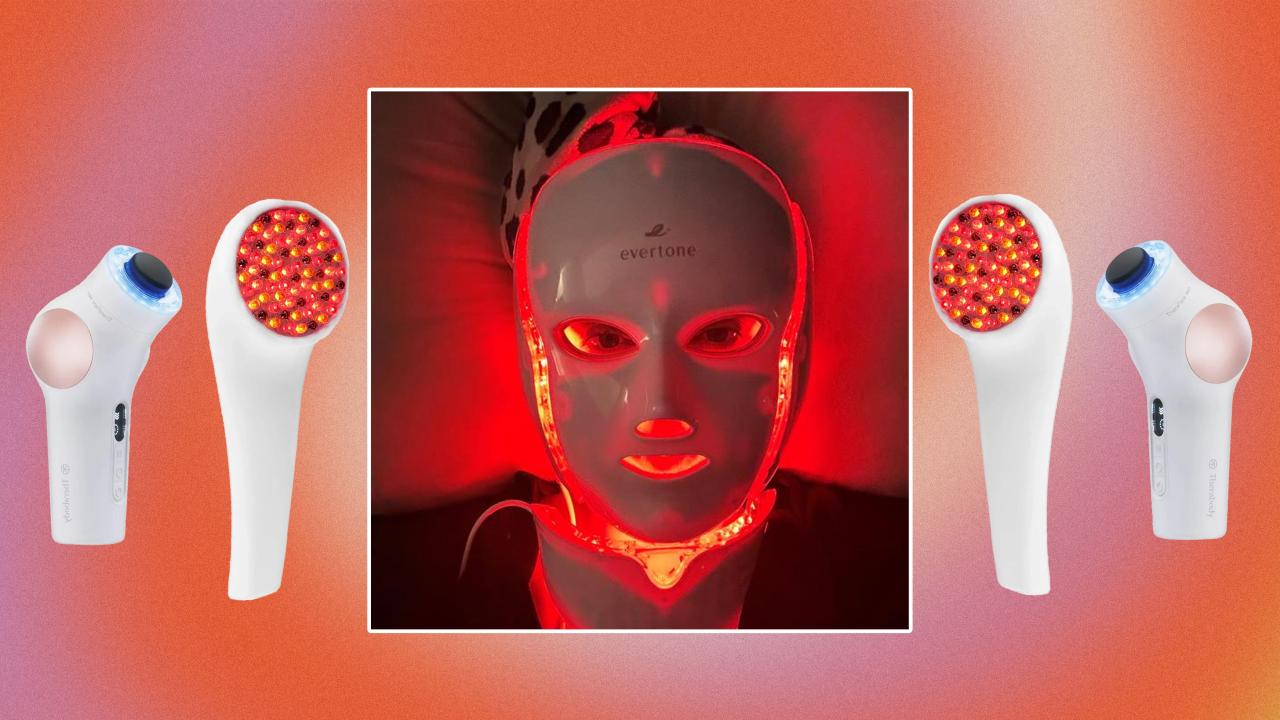
Wavelength Considerations
When selecting a red light therapy LED mask, wavelength specifications are crucial factors to consider. The most effective wavelengths for skin rejuvenation typically fall within the 630 to 670 nanometer range for red light and 810 to 850 nanometers for near-infrared light. Devices that offer both wavelengths provide comprehensive benefits, targeting different depths of skin tissue.
Single-wavelength devices may be sufficient for specific concerns, while combination devices offer versatility for addressing multiple skin issues simultaneously. Some advanced models feature adjustable wavelength settings, allowing users to customize treatments based on their current skin needs.
Power Density and Energy Output
The power density, measured in milliwatts per square centimeter (mW/cm²), determines the amount of light energy delivered to the skin. Higher power density generally means shorter treatment times but may also increase the risk of adverse effects if not properly controlled. Look for devices with appropriate power density that balances efficacy with safety.
Energy output, measured in joules per square centimeter (J/cm²), represents the total energy delivered during a treatment session. Most therapeutic applications require energy outputs between 3 to 50 J/cm², depending on the specific condition being treated. Devices with adjustable energy settings offer greater flexibility for different treatment goals.
Design and Ergonomics
The physical design of the LED mask significantly impacts user experience and treatment compliance. Look for comfortable, lightweight masks that provide even coverage across the facial area. Flexible designs that conform to facial contours ensure consistent light delivery to all treatment areas.
Consider the mask’s coverage area and whether it includes additional treatment zones for the neck, decolletage, or other areas. Some advanced models feature interchangeable panels or attachments for treating different body areas, offering greater versatility and value.
Quality and Certification
Invest in devices from reputable manufacturers with proper certifications and quality assurance. Look for FDA clearance or CE marking, indicating that the device meets safety and efficacy standards. Reading customer reviews and consulting professional recommendations can provide valuable insights into product performance and reliability.
Avoid extremely low-priced devices that may compromise on quality and safety. While expensive doesn’t always guarantee better quality, investing in a well-engineered device from a trusted brand typically ensures better results and longer durability.
Integrating Red Light Therapy into Skincare Routines
Complementary Skincare Products
Red light therapy works synergistically with certain skincare ingredients to enhance overall results. Vitamin C serums, hyaluronic acid, and retinol are particularly beneficial when combined with red light therapy, as they support collagen production, hydration, and cellular turnover.
Apply these products after red light therapy sessions, as the treatment may enhance skin absorption and penetration of active ingredients. However, avoid applying retinol or other potentially irritating products immediately before treatment, as this could increase sensitivity.
Timing Considerations
The optimal timing for red light therapy sessions depends on individual schedules and lifestyle factors. Morning treatments may provide an energizing boost and set a positive tone for the day, while evening sessions can be part of a relaxing wind-down routine.
Consistency matters more than specific timing, so choose a schedule that you can maintain regularly. Many users find it convenient to incorporate red light therapy into their evening skincare routines, allowing the skin to benefit from the treatment’s regenerative effects during overnight repair processes.
Lifestyle Factors Affecting Results
Several lifestyle factors influence the effectiveness of red light therapy. Adequate hydration supports skin health and enhances treatment outcomes, as well-hydrated skin responds better to light therapy. A balanced diet rich in antioxidants and essential nutrients provides the building blocks necessary for tissue repair and regeneration.
Sun protection remains crucial even when using red light therapy, as UV damage can counteract the beneficial effects of treatment. Regular use of broad-spectrum sunscreen and protective measures helps maintain results and prevent further skin damage.
Stress management and adequate sleep also contribute to treatment effectiveness, as chronic stress and sleep deprivation can impair cellular function and slow healing processes. Incorporating stress-reduction techniques and prioritizing quality sleep supports the skin’s natural regenerative capacity.
Scientific Evidence and Clinical Studies
Research Supporting Red Light Therapy Efficacy
Numerous clinical studies have investigated the effects of red light therapy on various skin conditions. A landmark study published in the Journal of Cosmetic and Laser Therapy demonstrated significant improvements in skin complexion, collagen density, and wrinkle reduction after regular red light therapy sessions. Participants reported high satisfaction rates with visible improvements in skin tone and texture.
Other research has focused on red light therapy’s efficacy in treating acne vulgaris, with studies showing marked reductions in inflammatory and non-inflammatory lesions. The therapy’s ability to reduce sebum production and exert antibacterial effects against Propionibacterium acnes has been well-documented in dermatological literature.
Long-term Effects and Maintenance
Long-term studies on red light therapy indicate that consistent treatment yields cumulative benefits, with continued improvements observed over extended periods. Regular maintenance sessions help sustain results and prevent the recurrence of skin concerns.
Many users find that continuing treatments on a reduced frequency schedule perhaps two to three times weekly after initial results are achieved helps maintain improvements without demanding excessive time commitment.
Comparative Analysis with Other Treatments
When compared to other anti-aging and skin rejuvenation treatments, red light therapy offers several advantages. Unlike chemical peels or laser resurfacing, red light therapy is non-invasive and involves no downtime. It’s generally more affordable and accessible than professional treatments while providing meaningful results for many users.
However, it’s important to set realistic expectations. Red light therapy typically produces gradual, subtle improvements rather than dramatic transformations. Combining red light therapy with other treatments can enhance overall outcomes, but it should not replace essential skincare basics like cleansing, moisturizing, and sun protection.
Future Developments and Emerging Trends
The field of photobiomodulation continues to evolve, with researchers exploring new applications and refining existing technologies. Advances in LED technology have led to more efficient, powerful, and versatile devices that offer customized treatment options for individual skin concerns.
Combination therapies that integrate red light with other wavelengths, such as blue light for acne treatment or green light for pigmentation issues, represent emerging trends in LED therapy. These multifaceted approaches address multiple skin concerns simultaneously, offering comprehensive solutions for diverse skincare needs.
Wearable technology and smart devices are also making their way into the red light therapy market, with features such as app connectivity, treatment tracking, and personalized recommendations enhancing user experience and treatment outcomes.
Conclusion
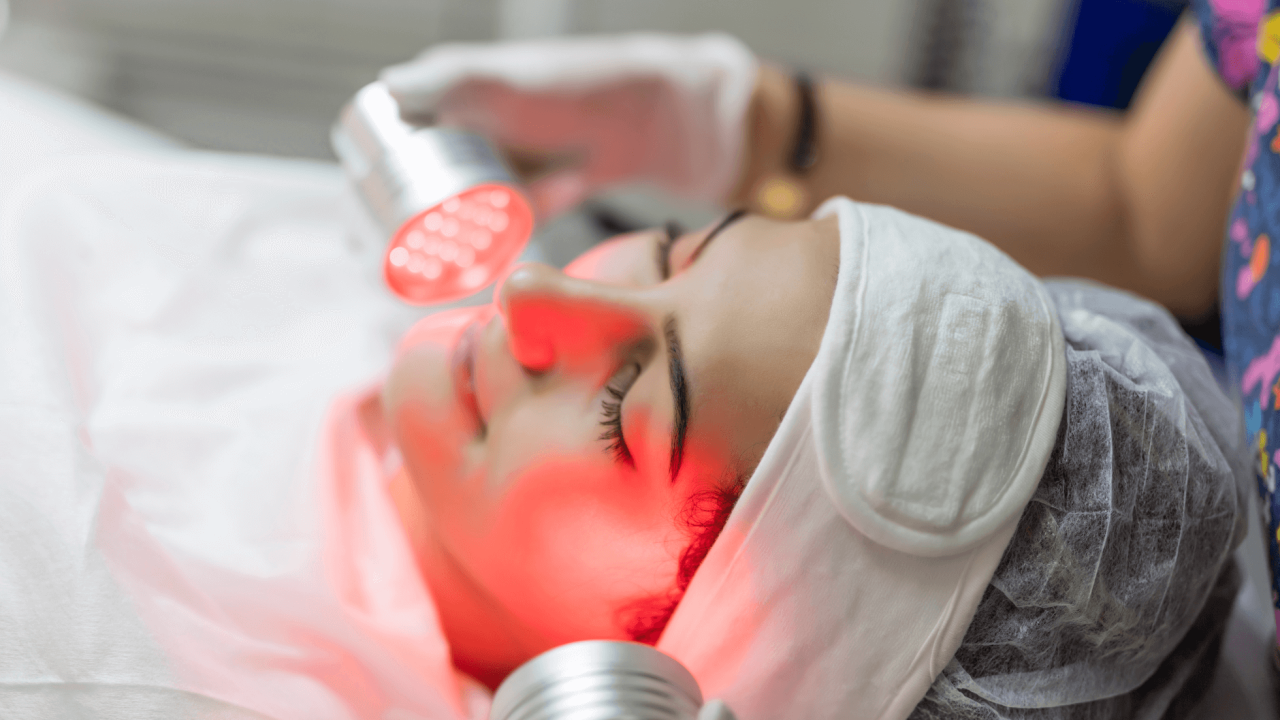
Red light therapy LED masks represent a significant advancement in skincare technology, offering a safe, effective, and convenient solution for various skin concerns. By harnessing the power of specific light wavelengths, these devices stimulate cellular regeneration, promote collagen production, reduce inflammation, and enhance overall skin health.
The scientific evidence supporting red light therapy’s efficacy continues to grow, with numerous studies demonstrating its benefits for anti-aging, acne management, wound healing, and skin rejuvenation. As technology advances and more sophisticated devices become available, the potential applications of red light therapy in skincare continue to expand.
Incorporating red light therapy LED masks into a comprehensive skincare routine can yield meaningful improvements in skin appearance and health. With proper usage, realistic expectations, and consistency, these innovative devices offer a valuable tool for achieving and maintaining beautiful, healthy skin at any age.