In recent years, interior design has evolved far beyond mere aesthetics. It is no longer just about impressing guests or maintaining a picture-perfect home for social media. Instead, a revolutionary movement is reshaping the way we think about our living environments. This movement is called dopamine decor, and it places joy, emotional well-being, and psychological comfort at the center of home design. This article delves deep into the world of joy-first homes and explores why dopamine decor has become more than just a passing trend. It is, in fact, a profound shift in how we connect with the spaces we inhabit every day.
Dopamine decor is not simply about painting walls in bright colors or filling rooms with quirky accessories. It is a holistic approach to interior styling that stimulates positive emotions, enhances mood, and promotes a sense of well-being. The concept draws from neuroscience and positive psychology, emphasizing the role of environmental stimuli in releasing dopamine, the neurotransmitter associated with pleasure and reward. By understanding how color, texture, light, scent, and personal meaning affect the brain, homeowners can curate spaces that actively contribute to their happiness.
The rise of dopamine decor is also a cultural response to modern stress. In an age dominated by digital overload, fast-paced lifestyles, and global uncertainties, the home has become a sanctuary. Yet, a sanctuary is only effective if it truly nurtures the soul. For decades, minimalism and neutral palettes were seen as the gold standard of tasteful living. White walls, beige furniture, and clutter-free surfaces were believed to promote calm and clarity. However, many found these environments sterile, impersonal, and even draining. This is where dopamine decor steps in, offering a vibrant, expressive, and deeply humanistic alternative.
As more people embrace remote work and hybrid lifestyles, the time spent inside homes has dramatically increased. Consequently, the quality of indoor environments directly influences mental health, productivity, and family harmony. A joy-first home does not ignore functionality; instead, it integrates emotional intelligence into every design decision. From the entrance hallway to the bedroom retreat, each room is treated as an emotional landscape. This article will guide you through the philosophy, science, implementation, and future of dopamine decor, ensuring that you have a complete understanding of this exciting design movement.
The Science Behind Dopamine and Interior Design
Before exploring the practical aspects of dopamine decor, it is essential to understand the neurological foundation. Dopamine is a neurotransmitter that plays a critical role in motivation, learning, memory, and mood regulation. It is often called the “feel-good” chemical because it is released when we anticipate or experience something pleasurable. Interestingly, dopamine is not just triggered by food, exercise, or social interaction. It is also released by visual stimuli, tactile sensations, and even spatial arrangements.
When we walk into a room that feels joyful, our brains process colors, shapes, lighting patterns, and textures within milliseconds. These sensory inputs are transmitted to the limbic system, which governs emotions. If the environment is perceived as safe, stimulating, and positive, dopamine levels rise. This creates a feedback loop where we associate certain design features with happiness, making us want to spend more time in that space. Over time, this can improve overall life satisfaction and reduce symptoms of anxiety and depression.
Research has consistently shown that certain design elements act as dopamine triggers. For example, saturated warm colors like yellow, orange, and coral stimulate energy and optimism. Soft pastels like lavender and mint green promote relaxation and creativity. Natural materials such as wood, stone, and cotton provide grounding sensations. Intentional clutter—when items are displayed meaningfully rather than chaotically—can spark curiosity and nostalgia. Even lighting plays a pivotal role; warm, layered lighting creates intimacy while natural daylight regulates circadian rhythms, directly influencing serotonin and dopamine production.
The beauty of dopamine decor lies in its flexibility. There is no one-size-fits-all formula. Instead, it encourages individuals to identify what personally brings them joy. This subjective approach honors diversity and personal history. For some, joy might come from bold geometric patterns and neon accents. For others, it might be vintage family heirlooms, handmade ceramics, or bookshelves overflowing with colorful spines. The key is to consciously choose items and arrangements that evoke positive memories, excitement, or serenity. In this way, dopamine decor becomes a powerful tool for self-expression and emotional regulation.
Core Principles of Joy-First Homes
To successfully create a joy-first home, certain foundational principles must be respected. These principles guide decision-making and ensure that the resulting environment is not only beautiful but also psychologically nourishing. Below are the core tenets of dopamine decor:
A. Color as Emotional Language – Color is the most immediate and impactful element in dopamine decor. Rather than shying away from pigment, joy-first homes embrace it boldly. Accent walls, painted ceilings, colorful furniture, and vibrant textiles are commonly used. The choice of color should be based on the desired emotional outcome. For instance, passionate reds and pinks can energize social spaces, while blues and greens create tranquil retreats. Color psychology is not rigid, but rather a starting point for personal experimentation.
B. Texture Variety for Sensory Richness – Texture adds depth and tactile pleasure. A dopamine-rich home includes a diverse range of textures—plush rugs, smooth leather, nubby knit throws, glossy ceramics, matte wood, and shiny metals. Touching different surfaces while moving through a space stimulates the somatosensory cortex and enhances the feeling of luxury and comfort. Sensory variety also prevents visual monotony, keeping the brain engaged and curious.
C. Intentional and Meaningful Objects – Every object in a joy-first home should have a story, a purpose, or an emotional significance. This is the antithesis of mass-produced, soulless decoration. Personal artifacts, travel souvenirs, handmade gifts, and family photographs are showcased with pride. These items serve as anchors to positive memories, reminding us of joyful moments and loved ones. They also create an environment that feels authentic and uniquely ours.
D. Dynamic Lighting Solutions – Lighting is treated as a dynamic design tool, not an afterthought. Joy-first homes incorporate multiple light sources—overhead fixtures, floor lamps, table lamps, candles, fairy lights, and dimmers. Layered lighting allows for mood adaptation throughout the day. Bright, cool light enhances productivity during work hours, while warm, dim light signals relaxation in the evening. Natural light is prioritized, with sheer curtains and strategically placed mirrors to amplify daylight.
E. Biophilic Elements – Connecting with nature is a powerful dopamine booster. Plants, flowers, natural wood, water features, and outdoor views are integral to joy-first design. Indoor plants not only purify the air but also evoke feelings of nurturing and growth. The presence of greenery reduces cortisol levels and increases concentration. Even small apartments can incorporate vertical gardens, window herb boxes, or terrariums to achieve this effect.
F. Playful and Whimsical Accents – A sense of playfulness is encouraged. This may include unconventional furniture shapes, gallery walls with mismatched frames, quirky art pieces, colorful rugs, or even a swing chair in the living room. Playfulness disrupts formality and invites curiosity. It reminds us not to take life too seriously and to embrace childlike wonder. This principle is particularly important in homes with children, but it applies equally to adult-only households.
How to Apply Dopamine Decor Room by Room
The joy-first philosophy can be applied to every room in the house, but each space serves a different function and thus requires tailored attention. Below is a comprehensive room-by-room guide to implementing dopamine decor effectively.
Living Room
The living room is often the heart of the home, where families gather and guests are welcomed. To maximize joy, start with a bold area rug that anchors the seating area. Layer cushions in contrasting colors and textures. Hang oversized art that evokes positive emotions—this could be abstract expressionist paintings, landscape photography, or colorful pop art. Include a gallery wall of personal photos. Add plenty of throw blankets and poufs for comfort. Ensure that lighting is adjustable with a central fixture, side lamps, and dimmable LED strips. Finally, incorporate a large indoor plant like a fiddle-leaf fig or monstera to bring life into the space.
Kitchen
The kitchen is not just a utilitarian zone; it is a place of creativity and nourishment. Paint cabinets in cheerful hues like sage green, mustard yellow, or soft terracotta. Display colorful cookware and ceramic bowls openly. Hang pendant lights over islands or dining tables. Add a small herb garden on the windowsill. Use open shelving to showcase vibrant spices, glass jars, and artisan dinnerware. A brightly colored backsplash can instantly transform the mood. Play upbeat music while cooking to further enhance the dopamine experience.
Bedroom
The bedroom should be a calming sanctuary, but calm does not mean boring. Use mood-boosting colors that are soothing yet engaging, such as lavender, dusty pink, or ocean blue. Invest in high-quality, textured bedding with layers of linen and velvet. Place a soft reading nook with a comfortable chair, a side table, and a warm lamp. Include personal items like framed photos, a jewelry tree, or a favorite book collection. Use blackout curtains for quality sleep but allow morning sunlight to enter naturally. Scented candles or essential oil diffusers with lavender or citrus oils can enhance relaxation.
Bathroom
Often overlooked, the bathroom is a perfect space for refreshing color and texture. Introduce towels in bold stripes or bright solids. Use a colorful shower curtain or a patterned tile floor. Add plants that thrive in humidity, like orchids or ferns. Place a small tray with beautiful toiletries and a scented candle. Install warm, dimmable lighting to transform baths into spa-like experiences. Even a simple change like replacing a plain mirror with a decorative one can uplift the space.
Home Office
With remote work on the rise, the home office must support both productivity and well-being. Paint one wall in an energizing color like citrus yellow or teal. Invest in ergonomic furniture, but also add bright accessories like a colorful desk mat, patterned folders, and a funky pen holder. Place a small succulent or cactus on the desk. Use full-spectrum lighting to reduce eye strain. Hang a vision board or inspirational quotes. Personalize the space with items that remind you of your goals and passions, which can sustain motivation throughout the day.
The Role of Personalization in Dopamine Decor
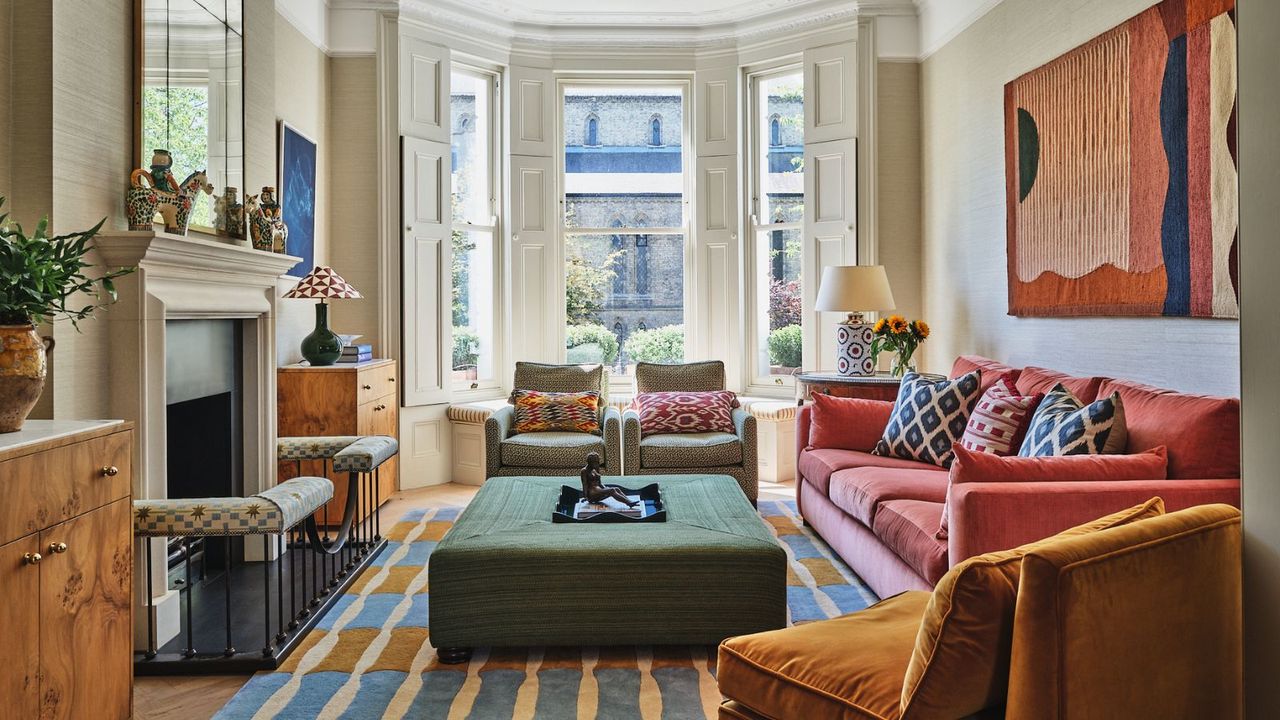
One of the most compelling aspects of dopamine decor is its emphasis on personalization. Unlike commercial design trends that dictate what is stylish, joy-first design asks what is meaningful to you. This is a radical departure from conventional interior design, which often prioritizes external validation over internal satisfaction. Personalization begins with self-reflection. Ask yourself: what colors make me smile? What textures do I love touching? What objects hold sentimental value? What scents instantly relax me?
After answering these questions, curate your environment accordingly. It is perfectly acceptable to mix design styles—mid-century modern with bohemian, industrial with coastal, or minimalist with maximalist. The goal is not stylistic purity but emotional resonance. A joy-first home is a tapestry of your life experiences, interests, and aspirations. When guests enter, they should feel your personality radiating from every corner. This authenticity is what makes dopamine decor timeless and deeply satisfying.
In addition, involving family members in the decoration process enhances collective well-being. Children can choose their room colors or display their artwork. Partners can co-create spaces that reflect shared memories. Pets also benefit from comfortable, stimulating environments. By making design a collaborative and ongoing process, the home evolves with you, ensuring long-term emotional engagement.
Common Mistakes to Avoid in Dopamine Decor
While dopamine decor is liberating, there are pitfalls that can undermine its benefits. Being aware of these mistakes will help you create a cohesive and joyful environment.
A. Overstimulation – Too many bright colors, patterns, and objects can overwhelm the senses, leading to stress rather than joy. Balance is key. Use bold accents sparingly against neutral backgrounds, or limit bright colors to one room.
B. Ignoring Functionality – A room may look cheerful but fail to serve its purpose. For example, a home office with vibrant decor but poor lighting and uncomfortable seating will reduce productivity. Always prioritize ergonomics and practical needs.
C. Cluttered Chaos – Dopamine decor is not the same as hoarding. Intentionality matters. Display objects purposefully and rotate them seasonally to keep the space fresh. Clutter triggers anxiety in many people, so maintain organization with stylish storage solutions.
D. Following Trends Blindly – Copying Instagram-worthy dopamine decor without personal connection often results in superficial spaces. Instead, use trends as inspiration, not prescriptions. Adapt ideas to fit your taste and lifestyle.
E. Neglecting Scent and Sound – Visual elements are important, but scent and sound also influence mood. Incorporate essential oils, fresh flowers, or soundscapes. A complete sensory experience is more impactful than visual appeal alone.
F. Forgetting Maintenance – Some dopamine elements like plants and fresh flowers require upkeep. Choose low-maintenance options if you have a busy schedule. Ensure that decorative items are easy to clean and dust.
Dopamine Decor vs. Other Design Styles
To appreciate the uniqueness of dopamine decor, it helps to compare it with other popular design movements.
| Design Style | Core Philosophy | Color Palette | Materials | Emotional Impact |
|---|---|---|---|---|
| Minimalism | Less is more | Neutrals, whites, grays | Natural, simple | Calm, but sometimes sterile |
| Scandinavian | Functional simplicity | Soft pastels, whites, wood | Light wood, wool, cotton | Cozy, tranquil |
| Bohemian | Eclectic freedom | Jewel tones, earth tones | Mixed textiles, rattan, macramé | Expressive, relaxed |
| Industrial | Raw urban aesthetics | Grays, browns, metallics | Brick, steel, concrete | Edgy, cool |
| Dopamine Decor | Emotional joy | Bold, vibrant, personal | Varied, personalized | Energizing, uplifting |
As shown, dopamine decor distinguishes itself through its explicit focus on positive emotions. While other styles may inadvertently enhance mood, they do not make joy their primary objective. Dopamine decor empowers individuals to actively design happiness, turning the home into a proactive tool for mental well-being.
Budget-Friendly Ways to Incorporate Dopamine Decor
Contrary to popular belief, creating a joy-first home does not require a large budget. Many dopamine decor strategies are affordable and accessible. Here are cost-effective methods to get started:
-
Repaint a focal wall – A single can of paint can transform a room. Choose a color that sparks joy.
-
Swap cushions and throws – Changing textiles is the easiest way to introduce color and texture.
-
Rearrange furniture – A new layout can change the energy of a space without spending money.
-
Add plants – Buy low-cost indoor plants or propagate cuttings from friends.
-
DIY art – Create your own abstract paintings, photo collages, or macramé hangings.
-
Thrift and upcycle – Vintage shops and flea markets offer unique items with character.
-
Use removable wallpaper – Temporary wallpaper allows for bold patterns without commitment.
-
Install smart bulbs – Affordable LED bulbs with color-changing features create dynamic lighting.
-
Display books by color – Organize bookshelves by hue for an instant visual boost.
-
Introduce scented candles – Inexpensive candles or diffusers add olfactory pleasure.
By using these methods, anyone can experiment with dopamine decor and discover what works best for their home and lifestyle.
Case Studies: Real-Life Joy-First Transformations
To illustrate the transformative power of dopamine decor, let us examine three real-life examples:
Case 1: The Urban Apartment – Sarah, a graphic designer living in a 500-square-foot studio, struggled with low energy and loneliness. She introduced bold geometric wall decals, a bright orange sofa, and multiple plants. She also added fairy lights around her bed and a rotating gallery wall of her travel photographs. Within weeks, she reported feeling more creative and motivated. Her apartment became a conversation piece and a source of pride.
Case 2: The Family Home – The Martinez family felt that their suburban home was dull and disconnected. They involved their two children in redesigning each room. The living room got a vibrant teal feature wall, colorful poufs, and a chalkboard wall for doodling. The kitchen cabinets were painted sunny yellow. Each child chose a theme for their bedroom—space, jungle, and princess castle. The result was a home buzzing with energy, laughter, and family bonding.
Case 3: The Retiree’s Haven – Margaret, a 68-year-old widow, wanted to feel hopeful and active again. She replaced her beige interiors with soft lavender, warm peach, and mint green. She displayed her late husband’s woodworking tools as art and created a reading corner with a cozy armchair and a towering bookshelf. She also installed a bird feeder outside the window and hung wind chimes. Her new dopamine-infused home helped her rediscover joy and even inspired her to host a book club.
These cases demonstrate that dopamine decor is for everyone, regardless of age, budget, or location. It is a universal language of happiness.
The Future of Dopamine Decor
The trajectory of dopamine decor appears highly promising. As neuroscience advances, designers will gain even deeper insights into how environments influence neural activity. Virtual reality and augmented reality tools are already allowing homeowners to test dopamine-rich designs before implementation. Smart homes will increasingly integrate mood sensors that adjust lighting, music, and temperature based on the occupant’s emotional state. This fusion of technology and emotion will create hyper-personalized living spaces.
Moreover, the sustainability movement aligns seamlessly with dopamine decor. Many joy-first advocates prioritize ethical sourcing, handcrafted items, and upcycling. This reduces environmental impact while adding unique character to homes. Community-driven initiatives, such as neighborhood color walks and shared gardens, may also emerge, extending the joy-first philosophy beyond individual homes to entire communities.
Ultimately, dopamine decor is not a fleeting aesthetic. It is a paradigm shift that recognizes the profound connection between our surroundings and our mental health. As society continues to acknowledge the importance of emotional well-being, joy-first homes will become not just desirable but essential.
Conclusion
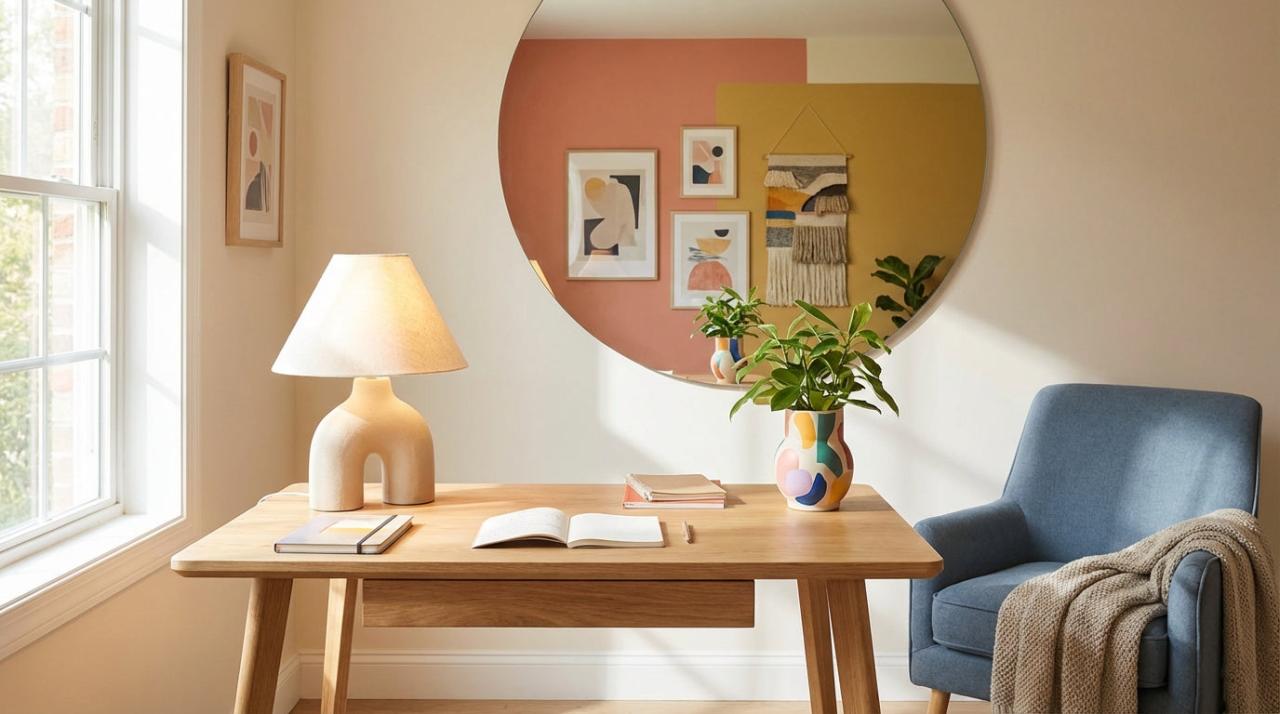
In conclusion, dopamine decor represents an exciting evolution in interior design. It challenges conventional norms and places human happiness at the forefront of spatial design. By understanding the neuroscience behind color, texture, light, and personal meaning, anyone can transform their home into a sanctuary of joy. The principles of intentionality, personalization, and sensory variety are accessible to all, regardless of budget or space constraints.
This article has explored the origins, science, practical applications, and future of dopamine decor. From the living room to the home office, every area can benefit from deliberate design choices that spark positive emotions. Common mistakes have been highlighted, and budget-friendly strategies have been shared to encourage immediate action. Real-life case studies have illustrated the profound impact this approach can have on individuals and families.
The message is clear: homes are more than structures; they are emotional habitats. By embracing dopamine decor, we not only beautify our surroundings but also nurture our minds, foster connection, and celebrate life. So, why wait? Begin your joy-first transformation today and discover the endless possibilities of a home that truly loves you back.