The landscape of urban existence is undergoing a seismic shift. For decades, the narrative of city life was dominated by the relentless pursuit of career advancement, the clatter of subway cars, and the anonymity of towering skyscrapers. However, a new epoch is dawning. The modern urban dweller is no longer content with merely surviving the concrete jungle; they are demanding a life that is sustainable, connected, and deeply meaningful. This transformation is not a fleeting fad but a fundamental restructuring of how we design, inhabit, and interact with our metropolitan environments. From the rise of the “15-minute city” to the integration of biophilic design, the trends redefining urban life are reshaping our world at an unprecedented pace.
The Decentralization of the Workplace
Perhaps the most significant catalyst for change in city living has been the evolution of the workplace. The traditional 9-to-5 commute to a central business district is becoming an artifact of a bygone era. The pandemic served as a global accelerant, proving that remote and hybrid work models are not only viable but often preferable for a large segment of the workforce. This shift has profound implications for urban planning and real estate.
No longer tethered to a specific office tower, residents are re-evaluating their living situations. They are seeking out neighborhoods that offer a higher quality of life, even if they are located further from the city center. We are seeing a resurgence of “satellite cities” and suburban hubs that are developing their own vibrant commercial and cultural cores. This decentralization is breathing new life into areas that were previously considered commuter dormitories, transforming them into self-sufficient micro-cities.
Furthermore, the demand for home office spaces has skyrocketed. Developers are now designing apartments with dedicated study nooks, soundproofed rooms, and high-speed internet infrastructure as standard features, rather than luxury add-ons. The kitchen table is no longer a sufficient office; the modern home must accommodate professional productivity alongside domestic tranquility.
The Rise of the 15-Minute City
One of the most compelling visions for the future of urban living is the concept of the “15-minute city.” This urban planning model, popularized by Mayor Anne Hidalgo of Paris, posits that all essential services—groceries, healthcare, education, recreation, and work—should be accessible within a 15-minute walk or bike ride from one’s home.
Key Components of the 15-Minute City
A. Mixed-Use Zoning: This involves moving away from segregating residential, commercial, and industrial areas. By integrating these functions, neighborhoods become vibrant around the clock.
B. Pedestrian and Cyclist Priority: Street space is reallocated from cars to people. Wider sidewalks, protected bike lanes, and car-free zones create safe and pleasant environments for active transport.
C. Proximity to Green Space: Access to parks and gardens is considered a necessity, not a luxury. These spaces serve as the “lungs” of the neighborhood, providing recreation and improving mental health.
D. Community Anchors: Local markets, community centers, and libraries act as social hubs where residents can connect, fostering a sense of belonging and civic pride.
The benefits of this model are immense. It reduces carbon emissions by decreasing reliance on automobiles, promotes public health through physical activity, and strengthens local economies by encouraging residents to shop locally. It is a paradigm shift away from the car-centric sprawl that has dominated urban development for the past century.
Sustainability and Green Infrastructure
Climate change is no longer an abstract threat for city dwellers; it is a tangible reality manifesting in heatwaves, flooding, and poor air quality. Consequently, sustainability has moved from a niche concern to a primary driver of urban development. Cities are transforming into sprawling laboratories for green innovation.
Innovations in Urban Sustainability
A. Green Building Materials: The construction industry is embracing materials like mass timber, recycled steel, and low-carbon concrete. These materials significantly reduce the embodied carbon of new buildings.
B. Energy Positive Design: Buildings are being designed to produce more energy than they consume, using solar panels, geothermal heating, and advanced insulation technologies. “Net-zero” buildings are becoming a benchmark for new developments.
C. Urban Agriculture: Rooftop farms, vertical gardens, and community allotments are becoming increasingly common. These initiatives provide fresh produce, reduce the urban heat island effect, and connect residents to their food sources.
D. Water Reclamation Systems: Cities are investing in sophisticated systems to capture and treat rainwater, as well as to recycle greywater for non-potable uses like irrigation and toilet flushing.
E. Smart Grids and Energy Storage: The integration of smart meters and battery storage allows for more efficient energy distribution and reduces strain on the power grid during peak usage times.
These initiatives are not just about environmental responsibility; they are economically prudent. Energy-efficient buildings offer lower operating costs for landlords and tenants, while green roofs can extend the lifespan of roofing materials. Sustainability is increasingly synonymous with smart financial investment.
The Evolution of the Smart City
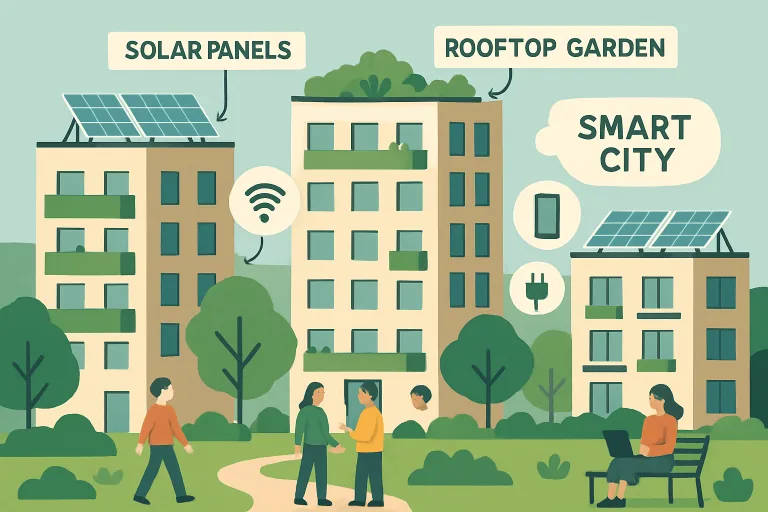
The technological revolution has given rise to the “smart city,” where data and connectivity are leveraged to enhance the efficiency and quality of urban life. From intelligent traffic management systems to AI-powered public safety, technology is weaving itself into the urban fabric.
The Role of IoT and AI in Urban Life
A. Smart Mobility: Real-time data on traffic patterns, public transport occupancy, and parking availability helps commuters navigate the city more efficiently. In some cities, AI is used to optimize traffic light timings to reduce congestion.
B. Public Safety: Advanced sensor networks and predictive analytics can help law enforcement allocate resources more effectively and respond faster to incidents, although these applications must be carefully managed to protect privacy.
C. Waste Management: Smart bins equipped with sensors alert waste collection services when they are full, optimizing collection routes and reducing unnecessary truck rolls. This saves fuel and reduces noise pollution.
D. Efficient Utilities: Smart water meters and electricity grids provide real-time feedback to consumers, allowing them to monitor their usage and reduce waste. Leak detection systems can identify and repair water main breaks rapidly.
E. Citizen Engagement: Digital platforms allow residents to report issues, participate in civic budgeting, and provide feedback on urban projects. This fosters a more transparent and participatory democracy.
However, the smart city is not without its challenges. Issues of data privacy, cybersecurity, and the digital divide must be addressed to ensure that these technologies benefit all citizens equally. The goal is to create a city that is not just technologically advanced, but also humane and inclusive.
Redefining Urban Spaces: Hospitality and Comfort
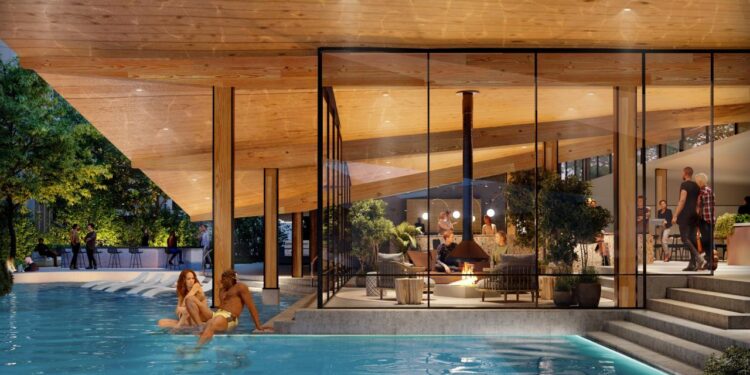
The modern apartment is evolving beyond a simple dwelling place to become a holistic lifestyle hub. The lines between residential, hotel, and co-working spaces are blurring. There is a growing demand for amenities that cater to the “live, work, play” ethos.
Modern Apartment Amenities
A. Co-working Spaces: High-speed internet, meeting rooms, and quiet areas within the building allow residents to collaborate and network without leaving their building.
B. Fitness and Wellness Centers: State-of-the-art gyms, yoga studios, and spa facilities are becoming standard features, reflecting a cultural shift towards prioritizing health and well-being.
C. Rooftop Terraces and Community Gardens: These spaces provide vital outdoor areas for socializing, relaxation, and urban farming, offering respite from the bustling streets below.
D. Concierge Services: Taking a cue from hotels, apartment buildings are offering services like package reception, dry cleaning delivery, and even pet care, freeing up residents’ time for leisure.
E. Pet-Friendly Facilities: Recognizing the importance of pets in urban dwellers’ lives, many buildings now include dog-washing stations, indoor pet parks, and even pet daycare services.
F. In-Building Retail: Having a small grocery store, cafe, or pharmacy at the ground floor level ensures that residents can access essentials quickly, supporting the 15-minute city model.
These amenities are redefining what is considered a “luxury” building. In today’s market, comfort, convenience, and community are as valuable as square footage and high-end finishes.
The Social Fabric: Creating Community in the City
One of the enduring criticisms of urban life is its potential for isolation. In a city of millions, it is paradoxically easy to feel alone. However, the current trends in city living are directly addressing this issue by designing for social interaction.
Strategies for Fostering Community
A. Shared Spaces: Beyond just gyms and rooftops, we are seeing the emergence of communal kitchens, libraries, and game rooms that encourage residents to interact.
B. Programmed Events: Property managers are organizing social events, from wine tastings and movie nights to fitness classes and book clubs, to create a sense of community among residents.
C. Collaborative Consumption: The rise of tool libraries, car-sharing services, and community workshops encourages residents to share resources, which reduces consumption and fosters interdependence.
D. Walkable Streetscapes: When streets are designed for people rather than cars, they become natural venues for social interaction. Street-level retail, outdoor cafes, and public art encourage lingering and conversation.
E. Cohousing Models: This involves intentional communities where residents actively participate in the design and operation of their neighborhoods, often sharing common facilities and meals.
The creation of these social connections is vital for mental well-being. Communities that foster interaction have lower rates of depression and anxiety and higher levels of civic engagement. The trend is moving from “living in a building” to “living in a community.”
Addressing the Challenges: Affordability and Inclusivity
Despite the exciting innovations in urban living, a massive challenge looms: affordability. The cities implementing these progressive policies often see a corresponding spike in property values, which can lead to gentrification and displacement of long-term residents.
Strategies for Equitable Urban Development
A. Inclusionary Zoning: This policy requires developers to include a certain percentage of affordable units in new residential projects. This ensures that diverse income levels can coexist in the same neighborhood.
B. Community Land Trusts: In this model, the land is owned by a non-profit community organization, while residents own the buildings on top. This keeps housing permanently affordable.
C. Increased Housing Supply: Ultimately, the most effective way to lower costs is to build more housing. This requires cutting red tape and streamlining the permitting process for new developments.
D. Rent Control and Tenant Protections: These policies help stabilize housing costs for existing residents, although they must be balanced with the need for new investment.
E. Transit-Oriented Development: Building dense, mixed-use housing near public transit hubs can create affordable, car-free living options that reduce transportation costs for residents.
For cities to truly thrive, they must be inclusive. The benefits of the 15-minute city and smart technology must be accessible to everyone, not just the wealthy. The urban centers that will be most successful in the long run are those that find creative ways to balance growth with equity.
The Future of Urban Retail and Entertainment
The retail landscape in cities is being completely reshaped. The traditional shopping mall is fading, replaced by experiential retail and flexible spaces.
New Trends in Urban Retail
A. Experience Over Product: Consumers are more interested in experiences than in accumulating goods. This has led to a boom in escape rooms, interactive art installations, pop-up markets, and cooking classes.
B. The Hybrid Store: Retail spaces are increasingly combining multiple functions. A bookstore might also be a coffee shop, a clothing store might host a nail salon, and a sports shop might contain a climbing wall.
C. Flexible Leasing: Landlords are adapting to market volatility by offering shorter, more flexible leases. This allows for a constantly rotating roster of pop-up shops and events, keeping the retail landscape fresh and exciting.
D. Resilient Entertainment: The restaurant and bar industry has shown incredible resilience, with outdoor dining and takeout innovations proving that the city will always be a destination for culinary exploration.
E. Cultural Institutions: Museums, galleries, and theaters are re-inventing themselves as community hubs that offer not just art, but also lectures, workshops, and social events. They are becoming third places, where people can gather outside of home and work.
These shifts are revitalizing city centers that were hollowed out by the decline of traditional retail. By embracing flexibility and creativity, urban commercial spaces are becoming more vibrant and engaging than ever.
Embracing Biophilia and Mental Well-being
The importance of mental health in urban design cannot be overstated. Biophilic design, which seeks to connect building occupants more closely to nature, is no longer a luxury but a necessity.
Ways to Incorporate Nature into Urban Life
A. Balconies and Terraces: Even a small balcony can provide a crucial connection to the outdoors, allowing residents to feel the sun on their face and grow a few plants.
B. Atriums and Indoor Green Walls: Large buildings are incorporating massive indoor plants and green walls that purify the air and provide a calming visual experience.
C. Natural Light: Architects are prioritizing large windows, skylights, and open floor plans to maximize exposure to natural light, which is known to regulate circadian rhythms and improve mood.
D. Natural Materials: The use of wood, stone, and water features in building interiors creates a sense of calm and connection to the earth, reducing stress levels.
E. Quiet Spaces: Cities are increasingly recognizing the need for quiet. Soundproofed rooms, meditation pods, and “silent” floors in apartment buildings offer refuge from the sensory overload of urban life.
These design choices are backed by science. Studies show that exposure to nature, even in a simulated form, reduces cortisol levels, lowers blood pressure, and increases cognitive function. The future of the city is a forest.
The Demographic Shift
The demographic profile of city dwellers is also changing. We are seeing an increase in multigenerational living, empty-nesters moving back to the city, and a growing population of digital nomads.
Demographic Trends in Urban Centers
A. The Rise of the Digital Nomad: With the freedom to work from anywhere, a new class of remote worker is choosing city centers for their vibrant culture and connectivity, staying for weeks or months at a time.
B. Empty-Nesters and Retirees: Older generations are trading suburban lawns for urban condos, seeking a low-maintenance lifestyle with access to theaters, restaurants, and healthcare.
C. Multigenerational Households: Economic pressures and cultural shifts are leading more families to live together. This is driving demand for “in-law suites” and flexible floor plans that can accommodate different generations.
D. Solo Living: More people than ever are living alone. This has led to a boom in studio and one-bedroom apartments, as well as co-living spaces that offer private bedrooms with shared common areas.
E. The Gig Economy Worker: The flexibility of gig work means that residents are demanding more flexible lease terms and access to shared resources like co-working and co-storage.
These diverse demographics require diverse housing solutions. The rigid “one size fits all” approach to urban housing is over. The successful city of the future will be one that caters to the needs of a dynamic and varied population.
Conclusion

The trends redefining urban life represent a holistic reimagining of the city’s purpose. It is no longer enough for a city to be a hub of economic productivity; it must also be a sanctuary for its residents. The modern urbanite seeks a life rich in community, steeped in nature, and enabled by technology.
From the adoption of the 15-minute city model to the embrace of biophilic design, the cities of the future are being designed to prioritize human well-being. The challenge lies in making these benefits accessible to everyone, ensuring that the city of tomorrow is not just a playground for the wealthy, but a thriving ecosystem for all.
The shift towards decentralization, sustainability, and community is not just a trend; it is a necessary evolution. As the global population continues to urbanize, the lessons learned from these innovations will be critical in shaping a future where cities are not just places to live, but places to belong. The future is urban, and it is brimming with potential for a more connected, sustainable, and vibrant way of life. The focus on environmental stewardship, technological integration, and social connectivity is creating a new paradigm for the 21st-century urban experience. As we move forward, the commitment to inclusivity and affordability will determine whether this vision of the city is realized for everyone, making our cities more livable, resilient, and inspiring for generations to come.