

In recent years, a remarkable phenomenon has swept across social media platforms, captivating millions of wellness enthusiasts worldwide. The “Becoming Chinese” wellness trend represents a cultural shift in how people approach health, healing, and daily living. This movement, which gained significant traction on platforms like TikTok, Instagram, and YouTube, involves adopting traditional Chinese wellness practices that have been refined over thousands of years. From cupping therapy and gua sha to herbal medicine and qigong, these ancient practices are finding new life in the digital age, offering profound benefits to those seeking alternatives to Western medical approaches.
The viral nature of this trend speaks volumes about our collective search for more holistic, balanced approaches to health. As modern life becomes increasingly stressful and disconnected from natural rhythms, people are turning to time-tested wisdom that addresses the root causes of illness rather than merely treating symptoms. This article explores the fascinating world of “Becoming Chinese” wellness, examining its origins, core principles, popular practices, scientific backing, and practical implementation strategies for those interested in incorporating these ancient techniques into their daily routines.
Understanding the Cultural Context
The Historical Foundation
The “Becoming Chinese” wellness trend draws from a rich tapestry of traditional Chinese medicine (TCM) that spans over 2,500 years of documented history. TCM is not merely a collection of healing techniques but represents a complete philosophical system that views the human body as an integrated whole, inseparable from the natural world and cosmic forces. The foundational texts of this tradition, including the Huangdi Neijing (Yellow Emperor’s Inner Canon), established principles that continue to guide practitioners today.
Traditional Chinese medicine operates on the premise that health results from harmony and balance within the body and between the body and its environment. This perspective differs fundamentally from the reductionist approach of Western medicine, which often isolates specific diseases and treats them independently. The “Becoming Chinese” trend embraces this holistic worldview, encouraging individuals to consider how all aspects of their lives diet, emotions, physical activity, and environment contribute to their overall wellbeing.
The Yin-Yang Philosophy
Central to the “Becoming Chinese” wellness approach is the concept of yin and yang, the complementary forces that underlie all existence. In health terms, yin represents qualities such as coolness, stillness, and substance, while yang embodies warmth, activity, and energy. Disease and discomfort arise when these forces become imbalanced, with excess or deficiency in either aspect creating disharmony.
The “Becoming Chinese” trend encourages practitioners to identify their constitutional tendencies and adjust their lifestyles accordingly. For instance, someone with a predominantly yang constitution might benefit from cooling foods and calming activities, while a yin-dominant individual might require warming herbs and invigorating exercises. This personalized approach represents a significant departure from one-size-fits-all health recommendations, offering nuanced solutions tailored to individual needs.
The Five Elements Theory
Another cornerstone of traditional Chinese wellness is the Five Elements theory, which categorizes natural phenomena into wood, fire, earth, metal, and water. Each element corresponds to specific organs, emotions, seasons, colors, and flavors, creating a complex web of interconnections. The “Becoming Chinese” trend incorporates this framework by recommending seasonal eating patterns, appropriate exercises for different times of year, and emotional processing techniques aligned with elemental associations.
Popular Practices in the “Becoming Chinese” Wellness Trend
Gua Sha: Scraping Away Tension
Gua sha has emerged as one of the most visible components of the “Becoming Chinese” wellness movement, with countless videos demonstrating this simple yet effective technique. The practice involves using a smooth-edged tool, traditionally made of jade or horn, to scrape the skin in gentle strokes, typically on the face, neck, and back. This action promotes circulation, releases muscle tension, and stimulates the lymphatic system, resulting in reduced puffiness, improved skin texture, and relief from chronic pain.
The scientific rationale behind gua sha continues to unfold, with research suggesting that the microtrauma created by scraping triggers an immune response that increases blood flow and promotes healing. For those new to this practice, starting with gentle pressure and gradually increasing intensity yields the best results. Many “Becoming Chinese” enthusiasts report significant improvements in facial contours, reduced jaw tension, and relief from sinus congestion after incorporating gua sha into their weekly routines.
Cupping Therapy: Ancient Suction for Modern Relief
Cupping therapy has gained unprecedented popularity through the “Becoming Chinese” trend, partly due to celebrities and athletes showcasing their distinctive circular marks. This practice involves placing heated glass or silicone cups on the skin, creating suction that draws blood to the surface. The therapeutic effects include deep tissue relaxation, improved circulation, and release of toxins stored in muscle tissue.
The “Becoming Chinese” approach to cupping emphasizes proper technique and strategic placement based on meridian pathways. Practitioners identify specific acupoints related to the individual’s complaints, whether respiratory issues, digestive problems, or musculoskeletal pain. While the marks left by cupping may appear concerning to the uninitiated, they typically fade within three to seven days and represent the body’s healing response rather than tissue damage.
Acupuncture and Acupressure: Energy Flow Regulation
Acupuncture, perhaps the most well-known component of traditional Chinese medicine, has been integrated into the “Becoming Chinese” wellness trend alongside its needle-free cousin, acupressure. Both practices operate on the principle that vital energy, or qi, flows through meridians throughout the body. Blockages or imbalances in this flow lead to disease and discomfort, while restoration of proper circulation promotes health.
The “Becoming Chinese” movement has popularized acupressure as an accessible self-care practice. Individuals learn to apply pressure to specific points on their bodies to address common issues such as headaches, insomnia, anxiety, and digestive disturbances. The convenience of acupressure, requiring no special equipment or professional assistance, makes it particularly appealing for those seeking daily wellness practices they can perform at home or in the office.
Qigong and Tai Chi: Moving Meditation
Movement practices have become central to the “Becoming Chinese” wellness trend, with qigong and tai chi attracting practitioners seeking gentle yet powerful forms of exercise. These practices combine slow, deliberate movements with conscious breathing and mental focus, creating a meditative state that reduces stress while improving physical conditioning.
Qigong, which translates roughly as “energy cultivation,” encompasses thousands of individual exercises designed to enhance qi circulation. The “Becoming Chinese” trend has popularized simplified qigong routines that can be completed in ten to fifteen minutes, making them accessible to busy individuals. Research indicates that regular qigong practice improves balance, reduces fall risk in older adults, lowers blood pressure, and enhances immune function.
Tai chi, originally developed as a martial art, offers similar benefits with a more structured sequence of movements. The “Becoming Chinese” movement encourages tai chi as a complete practice addressing physical, mental, and spiritual wellbeing. Studies have demonstrated its effectiveness for conditions ranging from arthritis to depression, with practitioners reporting increased energy, better sleep, and improved overall quality of life.
Herbal Medicine: Nature’s Pharmacy
Traditional Chinese herbal medicine represents a vast pharmacopoeia of plant-based remedies, many of which have found their way into the “Becoming Chinese” wellness trend. Practitioners combine multiple herbs in carefully balanced formulas designed to address specific patterns of disharmony rather than isolated symptoms.
The “Becoming Chinese” approach to herbal wellness emphasizes prevention and gentle support rather than aggressive intervention. Popular herbs in this trend include astragalus for immune support, ginseng for energy and vitality, goji berries for eye health and longevity, and jujube dates for sleep and digestion. While these herbs are generally safe when used appropriately, the “Becoming Chinese” philosophy stresses the importance of quality sourcing and proper preparation to maximize benefits and minimize risks.
The Scientific Evidence Supporting “Becoming Chinese” Practices
Research on Mind-Body Connection
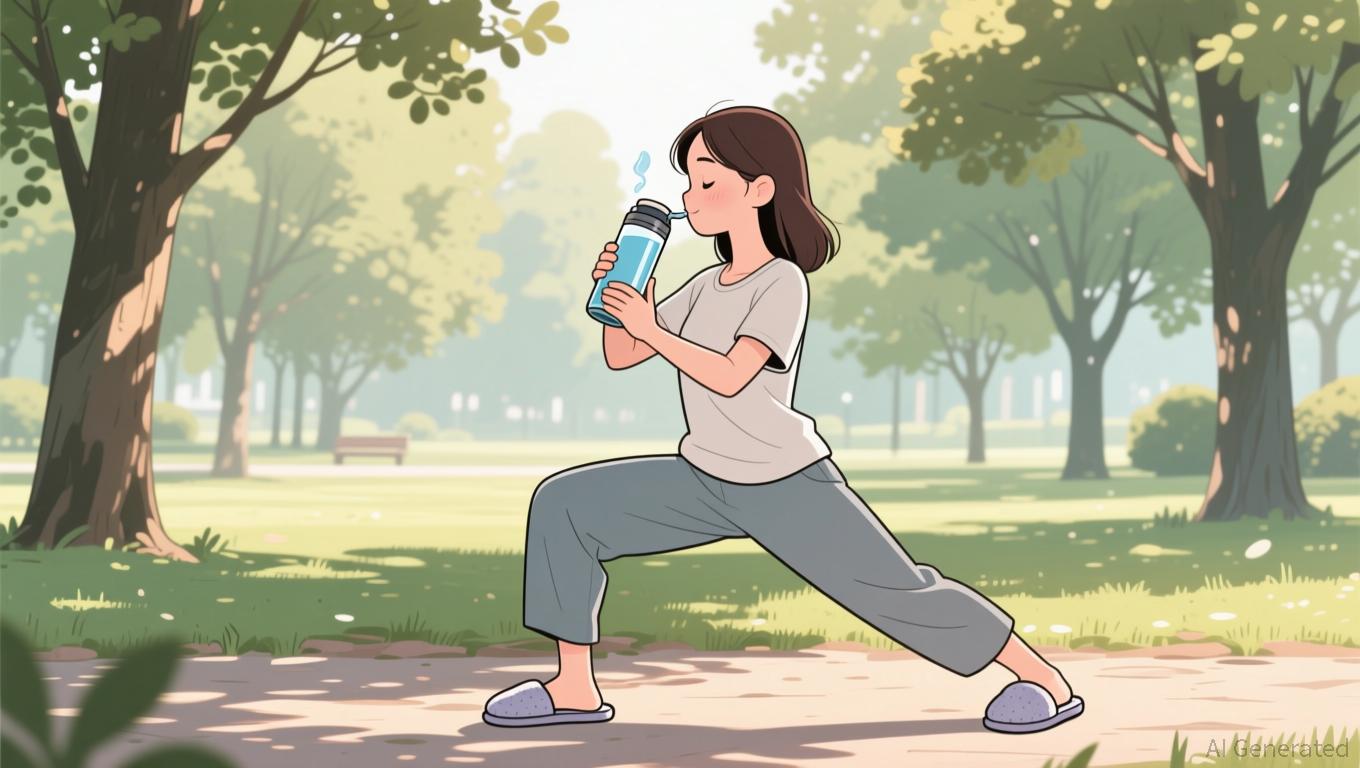
Modern science has increasingly validated the mind-body connection central to “Becoming Chinese” wellness practices. Studies using neuroimaging technology have demonstrated how meditation and focused breathing, components of many traditional Chinese practices, actually reshape brain structure and function. Regular practitioners show increased gray matter in regions associated with emotional regulation and decreased activity in stress-response networks.
The vagus nerve, which connects the brain to the digestive system and heart, represents a physical pathway through which “Becoming Chinese” practices exert their effects. Techniques such as deep breathing and relaxation trigger the parasympathetic nervous system, reducing cortisol levels and promoting healing. This scientific understanding complements the traditional concept of qi, providing a physiological framework for practices that have been empirically validated over centuries.
Clinical Studies on Specific Techniques
The “Becoming Chinese” trend has benefited from growing clinical research examining specific practices. For example, systematic reviews of acupuncture for chronic pain indicate significant benefits over placebo, leading to its coverage by many health insurance programs. Similarly, studies on tai chi for fall prevention in older adults have demonstrated a 30-45% reduction in fall risk, comparable to or exceeding physical therapy interventions.
Research on gua sha has revealed measurable increases in circulation, with studies showing up to a 400% increase in blood flow immediately after treatment. This enhanced circulation brings oxygen and nutrients to tissues while removing metabolic waste products, explaining the practice’s effectiveness for muscle recovery and pain relief.
Integration with Conventional Medicine
The “Becoming Chinese” wellness trend does not necessarily reject Western medicine but rather seeks to complement it. Many practitioners use traditional Chinese techniques alongside conventional treatments, finding that they enhance outcomes and reduce side effects. For cancer patients, for instance, acupuncture and acupressure have shown effectiveness in managing chemotherapy-induced nausea, while qigong helps reduce fatigue and improve quality of life during treatment.
The Social Media Phenomenon
TikTok and Instagram’s Role
The viral spread of the “Becoming Chinese” wellness trend owes much to social media platforms that facilitate visual demonstration and community building. TikTok, in particular, has served as a powerful vehicle for sharing techniques, with hashtags related to gua sha, cupping, and qigong accumulating billions of views. The platform’s short-form video format is ideally suited to demonstrating practices that are visual and relatively simple to learn.
Instagram has similarly contributed to the trend’s growth, with influencers sharing their personal transformations and daily wellness routines. The visual appeal of “Becoming Chinese” practices, from the meditative beauty of a tai chi session to the satisfying marks of gua sha, makes them particularly photogenic. This aesthetic quality has attracted practitioners who might not have sought out these traditions through more conventional educational channels.
Influencers and Cultural Ambassadors
Key influencers have played significant roles in popularizing the “Becoming Chinese” wellness trend, sharing their personal journeys and educational content. Many of these content creators have backgrounds in traditional Chinese medicine or have studied extensively under master practitioners, lending credibility to their presentations. Others are Westerners who discovered these practices through personal health challenges and now share their experiences with followers.
Accessibility and Democratization of Ancient Wisdom
The “Becoming Chinese” movement has democratized access to traditional wellness practices that were once limited to specific cultures or requiring extensive training. Through online tutorials, virtual classes, and affordable tools, individuals worldwide can now incorporate these ancient techniques into their lives. This accessibility represents both an opportunity and a responsibility, as simplified versions may omit crucial safety considerations or cultural context.
Practical Implementation: Your “Becoming Chinese” Wellness Journey
Assessing Your Current Health Status
Beginning your “Becoming Chinese” wellness journey requires honest self-assessment of your current health, lifestyle, and goals. Traditional Chinese medicine emphasizes identifying patterns rather than isolated symptoms, so consider questions such as whether you tend toward cold or warmth, the quality of your sleep and digestion, and your emotional tendencies. This self-knowledge will guide your selection of practices and help you recognize progress.
Creating Your Personalized Wellness Protocol
The “Becoming Chinese” approach stresses individualized care, so avoid the temptation to copy someone else’s routine exactly. Start with one or two practices that resonate with you, perhaps morning qigong and evening gua sha, and maintain consistency for at least a month before evaluating results. Pay attention to how your body responds, adjusting intensity and frequency based on your experience.
Essential Tools and Resources
Building a “Becoming Chinese” wellness toolkit need not be expensive or complicated. Basic equipment includes:
A. Gua sha tool, available in various materials including jade, rose quartz, and stainless steel
B. Cupping set, ranging from simple silicone cups to professional glass sets
C. Acupressure mat or specific pointing tools for meridian work
D. Herbal supplies, including whole herbs, powders, or prepared formulas
E. Comfortable clothing appropriate for movement practices
F. Journal for tracking your experiences and observations
Integrating Practices into Busy Schedules
The practical appeal of the “Becoming Chinese” trend lies partly in its flexibility—practices can be scaled to fit even demanding schedules. Consider these time-efficient options:
A. Five-minute morning gua sha facial routine while applying skincare
B. Ten-minute qigong practice instead of coffee break
C. Fifteen-minute acupressure session before bed
D. Weekend cupping therapy sessions for deeper work
E. Herbal teas throughout the day for ongoing support
Finding Qualified Instruction
While the “Becoming Chinese” trend has made these practices more accessible, proper instruction remains important for safety and effectiveness. When seeking teachers or practitioners, consider credentials and experience. For acupuncture and herbal medicine, licensed practitioners have completed extensive training. For movement practices, instructors with years of personal practice and teaching experience will provide more nuanced guidance.
Potential Risks and Considerations
Cultural Appropriation Concerns
The “Becoming Chinese” trend has not been without controversy, with critics raising concerns about cultural appropriation. Some argue that stripping practices from their cultural and philosophical contexts reduces them to aesthetic commodities. Others point to the irony of Westerners “discovering” techniques that Chinese communities have maintained for millennia.
The most respectful engagement with “Becoming Chinese” practices involves learning about their cultural origins, acknowledging sources, and supporting authentic practitioners. Following Chinese teachers and creators, understanding the philosophical underpinnings of practices, and approaching the tradition with humility rather than entitlement represent important steps toward respectful engagement.
Safety Considerations for Beginners
While many “Becoming Chinese” practices are generally safe, beginners should exercise caution and common sense. Cupping should avoid areas with varicose veins, skin conditions, or over bony prominences. Gua sha requires careful technique to avoid bruising or skin damage. Herbal supplements can interact with medications, so consultation with healthcare providers is essential for those taking prescription drugs.
When to Seek Professional Guidance
Certain situations warrant professional assistance rather than self-directed practice. These include:
A. Chronic or severe health conditions requiring diagnosis
B. Pregnancy, where many practices are contraindicated
C. When experiencing unusual reactions or symptoms
D. For complex herbal formulations requiring expert balancing
E. When Western medical treatment is ongoing and potential interactions exist
The Future of the “Becoming Chinese” Wellness Trend
Integration into Healthcare Systems
The “Becoming Chinese” wellness trend has already influenced healthcare delivery, with increasing numbers of hospitals incorporating acupuncture, integrative medicine departments, and employee wellness programs featuring qigong and tai chi. This integration represents a significant shift toward recognizing the value of traditional approaches alongside conventional medicine.
Evolution of Practices for Modern Life
As the “Becoming Chinese” trend evolves, practitioners are adapting ancient techniques for contemporary needs. Technology plays an increasing role, with apps guiding meditation, wearable devices tracking energy patterns, and virtual reality offering immersive qigong experiences. These innovations make traditional practices more accessible while potentially expanding their benefits.
Research and Evidence Development
The “Becoming Chinese” movement has stimulated research interest in traditional practices, leading to more rigorous scientific investigation. This research strengthens the evidence base for these techniques, potentially increasing acceptance within medical communities. Continued investigation will likely identify mechanisms of action and optimize protocols for specific conditions.
Conclusion: Embracing Ancient Wisdom for Modern Wellbeing

The “Becoming Chinese” wellness trend represents far more than a passing social media phenomenon; it reflects a genuine shift in how people approach health and healing. By embracing ancient Chinese wellness practices, individuals worldwide are rediscovering the wisdom that sustained one of the world’s oldest continuous civilizations. From the gentle movements of tai chi to the healing touch of gua sha, these time-tested techniques offer pathways to health that complement and enhance modern medicine.
The “Becoming Chinese” movement invites us to reconsider our relationship with our bodies, our environment, and the natural rhythms of life. Rather than treating symptoms in isolation, this holistic approach encourages us to see health as a dynamic balance requiring ongoing attention and care. As research continues to validate these ancient practices, their integration into mainstream wellness seems likely to deepen.
For those beginning their “Becoming Chinese” wellness journey, remember that this is not about adopting someone else’s culture superficially but about finding universal wisdom that speaks to our shared human experience. Proceed with curiosity, humility, and consistency, and you may discover that these ancient practices transform not only your health but your entire perspective on what it means to live well. The “Becoming Chinese” trend reminds us that sometimes the most innovative solutions are actually the oldest ones, patiently waiting for us to rediscover their profound benefits.