Bangkok, the vibrant capital of Thailand, has long been a magnet for travelers, expatriates, and digital nomads. Its reputation as a city where one can live well without breaking the bank is well-earned. While recent reports have highlighted a paradox regarding its housing affordability, the city continues to top lists for its overall value, offering an unparalleled blend of rich culture, world-class amenities, and a low cost of living that makes it a perennial favorite . This article delves deep into the multifaceted affordability of Bangkok, explaining why it remains the ultimate affordable city for a diverse range of people.
The Paradox of “Affordability”: Rent vs. Lifestyle
A common topic of discussion in recent financial reviews is the “affordability” of a city. This is often calculated using a rent-to-income ratio, which measures the percentage of a median household’s disposable income spent on rent. In this specific metric, Bangkok has been labeled one of the least affordable cities in the world, with a staggering 79% of income going toward renting a two-bedroom apartment . This can be a shocking statistic for those unfamiliar with the city’s dynamics.
However, this single metric paints a misleading picture. The “least affordable” tag is not a reflection of high absolute costs but rather an indicator of the local salary-to-rent ratio. For the average Thai citizen earning a median local wage, the cost of a centrally located, modern apartment can indeed be prohibitive. This is a serious issue for the local populace, often driven by a drop in condo supply and rising construction costs .
Crucially, this metric does not tell the whole story for expats, retirees, or digital nomads. For a foreigner earning in a stronger currency like the US Dollar, Euro, or British Pound, Bangkok’s rental market transforms from a challenge into an incredible opportunity. It’s this global perspective that consistently lands Bangkok at the top of “best value” and “cheapest city” lists for international visitors and residents .
Understanding the Cost of Living in 2026
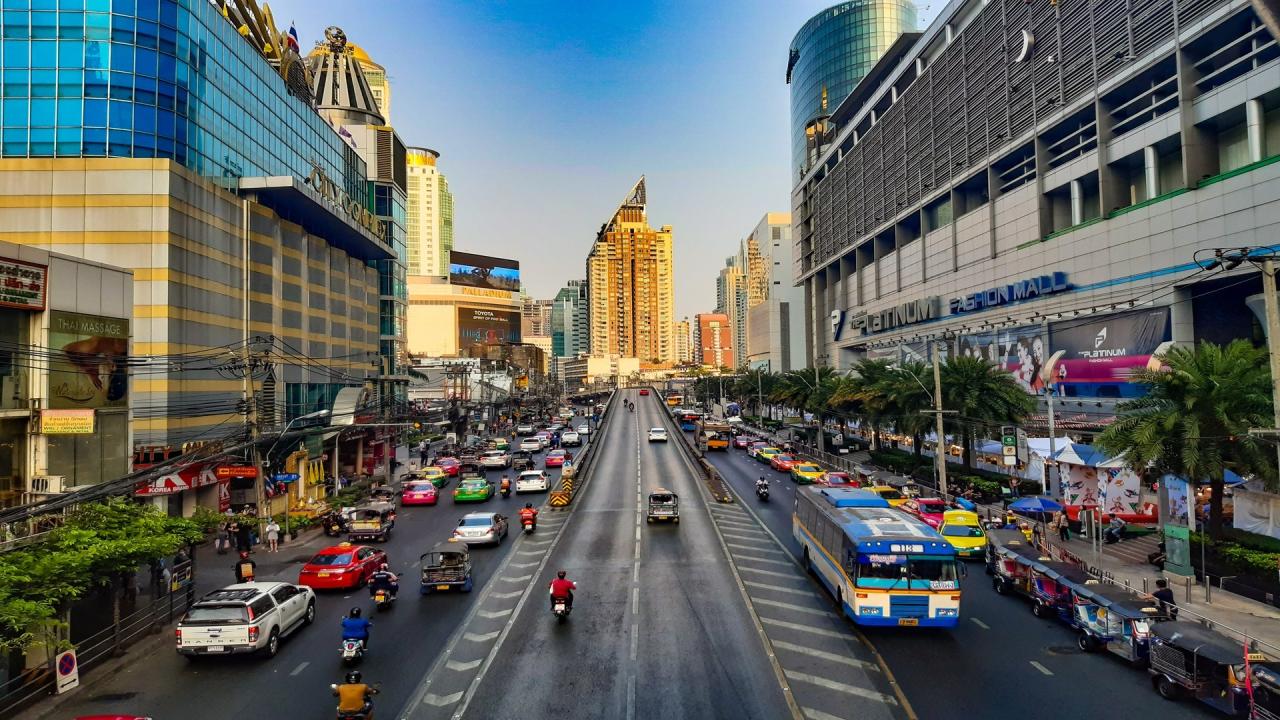
To truly understand why Bangkok is considered affordable, one must look beyond the headline-grabbing rent ratios and examine the comprehensive cost of daily living. Here, Bangkok shines. The city provides a lifestyle that offers significant savings on everything from food and transportation to healthcare and entertainment.
A. Food: The Heart of Affordability
One of the most immediate and delightful ways visitors experience Bangkok’s affordability is through its legendary street food. The city is a culinary paradise where delicious, fresh, and filling meals are available at astonishingly low prices. You can eat like a king on a shoestring budget.
-
Breakfast: Start your day with a simple but satisfying meal for around 70-90 THB. This could be a plate of chicken rice, a bowl of soup, or an iced coffee from a street cart .
-
Lunch and Dinner: A main meal at a hawker stall or food court typically costs between 40 and 90 THB. This includes classic dishes like Pad Thai, fried rice, or a plate of basil chicken .
-
Daily Food Budget: A budget traveler can easily eat three full, delicious meals for around $8-$10 USD per day . For a more comfortable mid-range experience with a mix of street food and casual restaurants, a daily food budget of around $20 USD is more than sufficient .
This isn’t just about surviving on cheap eats. It’s about enjoying cuisine that is often far superior and more authentic than what you’d find in a mid-range restaurant back home. The accessibility of affordable, high-quality food is a game-changer for anyone’s budget.
B. Accommodation: From Hostels to Luxury Condos
As discussed, the rental market in Bangkok is diverse, offering options for every budget. The “least affordable” tag applies to a very specific metric, but the reality is that finding a place to stay is often much cheaper than in comparable global cities.
-
Budget (Hostels & Guesthouses): For backpackers and solo travelers, dormitory-style accommodation can be found for around $10-$15 USD per night . A simple private room in a guesthouse away from the main tourist hubs is also a very affordable option.
-
Mid-Range (Private Apartments): For those looking for a private, modern apartment in a good location, the prices are still remarkably competitive. For example, a one-bedroom condo near a BTS Skytrain station like On Nut, Phra Khanong, or Ari can range from 8,000 to 28,000 THB per month .
-
Budget-Friendly: 8,000 – 14,000 THB for a studio or one-bedroom near On Nut or Bang Chak BTS .
-
Mid-Range: 15,000 – 28,000 THB for a well-furnished one-bedroom in popular expat areas .
-
Premium: 40,000 – 70,000 THB for a luxury two-bedroom in high-end neighborhoods like Thong Lo or Phrom Phong, which is still significantly cheaper than similar properties in Tokyo, Seoul, or New York .
-
-
Overall Daily Budget (Shoestring): A backpacker can live on a daily budget of around $27-$30 USD, including accommodation, food, and transport . A mid-range traveler should budget $85-$90 USD per day for a comfortable experience .
C. Transportation: Efficient and Cheap
Getting around Bangkok is both easy and inexpensive. The city’s extensive public transport network allows you to avoid the infamous traffic jams without spending a fortune.
-
BTS Skytrain & MRT Subway: These are the most efficient ways to travel. A single journey costs between 16 and 62 THB depending on the distance . Daily transport costs for a tourist or commuter typically range from 100 to 300 THB .
-
Chao Phraya Express Boat: A scenic and ultra-cheap option for reaching attractions along the river, with fares as low as 15-40 THB .
-
Public Buses: The cheapest option, though less convenient for tourists unfamiliar with the routes, with fares from 8-20 THB .
-
Taxis & Ride-Hailing (Grab): While more expensive than public transport, they are still affordable, especially for groups or late at night. A ride from the airport to the city center costs around 450 THB with the meter . A Grab from Asok to Khao San Road might be around 170 THB .
Hidden Value: The Benefits Beyond the Price Tag
The affordability of Bangkok extends beyond just the prices on menus and rent contracts. It offers a quality of life and access to world-class services that are often undervalued in cost-of-living comparisons.
A. World-Class Healthcare at a Fraction of the Cost
Bangkok is a global hub for medical tourism, and for good reason. The city is home to several internationally accredited hospitals, such as Bumrungrad and Samitivej, that offer top-tier medical and dental care at a fraction of the cost in Western countries . A general check-up or a dental cleaning can be completed for a few hundred dollars, making it a significant draw for health-conscious expats and travelers.
B. Proximity to Leisure and a Vibrant Lifestyle
Bangkok is not just a city to live in; it’s a city to experience. The affordability allows residents and visitors to enjoy a vibrant lifestyle that might be out of reach in more expensive cities.
-
Day Trips: Bangkok’s central location makes it a perfect base for exploring the region. Affordable day trips are plentiful, such as visiting the Damnoen Saduak floating market, the UNESCO-listed ruins of Ayutthaya, or the historical sites of Kanchanaburi, including the Bridge over the River Kwai. A tour package to the floating market can cost as little as $23-$34 USD . The train to Kanchanaburi costs just $3 USD, offering a memorable journey along the Death Railway .
-
Free & Low-Cost Attractions: Many of Bangkok’s best attractions are free or nearly free, as highlighted by travel guides. You can explore the grounds of Wat Arun, wander through the massive Chatuchak Weekend Market, or enjoy the vibrant atmosphere of Chinatown (Yaowarat) all for free . Exploring the city’s famous temples like Wat Pho or the Grand Palace costs a small entrance fee but is a worthwhile investment in culture . Lonely Planet’s guide to free things to do underscores that one doesn’t need to be rich to experience the city’s treasures .
Bangkok in a Regional Context
To truly appreciate Bangkok’s value, it’s helpful to compare it to other major cities in Southeast Asia. While cities like Ho Chi Minh City or Phnom Penh might be cheaper on a purely numeric cost-of-living index, Bangkok offers significantly better infrastructure, a superior public transport system, and a broader range of lifestyle options .
This is where the “value for money” concept becomes crucial. You might pay slightly more for rent in Bangkok than in Phnom Penh, but the fact that you can ditch a car and use the efficient BTS/MRT system can result in overall savings and a better quality of life . Furthermore, for those seeking to work, the digital marketing and SEO landscape in Thailand is booming, with over 90% of web access coming from mobile phones and 37.1% of users discovering new brands via search engines, creating a dynamic environment for entrepreneurs and remote workers .
Conclusion: A City for All Budgets
In conclusion, while a single economic indicator has placed Bangkok on the map for a specific housing challenge, the city’s overall reality is one of remarkable affordability. The “Bangkok Tops Affordable City List” narrative, despite the contradictory headlines, holds true for the vast majority of visitors and expatriates.
Bangkok’s appeal is not rooted in being the absolute cheapest city on the planet, but in offering an unbeatable combination of low daily costs, high-quality living, and world-class amenities. Whether you are a backpacker surviving on $30 a day, a digital nomad seeking a comfortable mid-range lifestyle, or a family looking for a vibrant new home, Bangkok provides a value proposition that is hard to beat. It’s a city where your money goes further, allowing you to enjoy a rich cultural life, eat incredible food, and access top-tier services without the financial stress common in other global capitals. The key is to look beyond a single statistic and experience the reality of this dynamic, affordable city for yourself.