The travel industry is experiencing a seismic shift. For decades, the golden rule of tourism was simple: go to the famous places, see the famous sights, and take the famous photos. From the canals of Venice to the temples of Kyoto, from the bustling streets of Barcelona to the national parks of Utah, the masses have descended upon iconic destinations with a fervor that has, in recent years, become unsustainable. This phenomenon, known as overtourism, has transformed once-charming locales into overcrowded, expensive, and often disappointing experiences for travelers and a logistical nightmare for residents.
However, a counter-movement is rising, and it is gaining traction at an incredible speed. It is called the “slowcation.” This isn’t just a passing fad; it is a revolutionary approach to travel that prioritizes depth over breadth, quality over quantity, and genuine connection over the frantic checklist mentality. For the savvy traveler in 2026, the slowcation is the ultimate strategy to beat the crowds, combat soaring price hikes driven by overtourism, and rediscover the true joy of exploration. This article will delve deep into the mechanics of the slowcation, exposing the financial and experiential pitfalls of overtourism while providing a comprehensive roadmap for embracing a slower, richer, and more affordable way to see the world.
The Glaring Problem: The Cost of Overtourism
To understand why slowcations are becoming essential, we must first dissect the monster of overtourism. Overtourism occurs when an excessive number of tourists visit a destination, leading to a degradation of the local environment, culture, and quality of life. The most immediate and visible symptom for the traveler, however, is the astronomical rise in costs.
When a destination becomes a “hotspot,” the basic laws of supply and demand go haywire. The influx of tourists creates a surge in demand for accommodation, food, and attractions. Local businesses, seeing the opportunity to maximize profits during a short, intense season, raise their prices. Here is a breakdown of how overtourism directly impacts your wallet:
A. The Accommodation Avalanche
In cities like Amsterdam, Dubrovnik, or Reykjavik, short-term rental platforms like Airbnb have decimated the long-term housing market for locals. This scarcity drives up rental prices for everyone, including hotels. During peak season, a standard hotel room in a popular city center can cost two or three times its off-season rate. Hostels, once the bastion of budget travel, now charge premium rates that rival mid-range hotels in less popular regions.
B. The “Tourist Tax” Trap
Local governments, desperate to manage the influx, have implemented tourist taxes, city entry fees, and congestion charges. Venice has introduced an entry fee for day-trippers. Barcelona has increased its tourist tax significantly. These fees, while intended to fund infrastructure, add a significant and unavoidable layer of cost to your trip.
C. The Inflated Experience Economy
Gone are the days of affordable local eateries in tourist centers. Restaurants in prime locations now cater to the tourist palette with high prices and mediocre food. Attractions like the Colosseum, the Eiffel Tower, or the Statue of Liberty require booking months in advance, and “skip-the-line” passes cost a premium. Local tour operators, workshops, and guides have increased their rates to match the demand, often charging exorbitant prices for what used to be accessible cultural experiences.
D. The Hidden Cost of Disappointment
Perhaps the most significant cost is not monetary. When you pay a premium to visit a famous landmark, only to find yourself in a sea of selfie sticks, unable to move or hear your guide, the experience is devalued. You are paying top dollar for a compromised, frustrating experience. The “bucket list” item becomes a source of stress rather than wonder. The cost of overtourism is ultimately the theft of the authentic travel experience itself.
The Solution: What is a Slowcation?
In stark contrast to the frantic pace of a traditional “whirlwind” tour, a slowcation is an intentional act of deceleration. It is the art of choosing a single location or a small, manageable region and immersing yourself in it for an extended period. Instead of spending your vacation running from airport to train station to bus stop, checking boxes on a list, a slowcation invites you to live like a local.
The philosophy is simple: stay longer, explore less ground, and go deeper. A slowcation might mean spending ten days in a single neighborhood in Tokyo rather than trying to see Tokyo, Kyoto, and Osaka in a week. It means choosing a quiet village in Tuscany over a frantic tour of Rome, Florence, and Venice.
This shift in mentality has profound implications for your budget, your mental well-being, and the quality of your memories. By rejecting the “McDonald’s” style of travel—quick, predictable, and mass-produced—you are opting for a “slow-food” approach: locally sourced, authentic, and deeply satisfying.
How Slowcations Beat the Price Hikes
The economic advantages of a slowcation are compelling and multifaceted. It is not about traveling cheaply; it is about traveling smarter. Here is a detailed breakdown of how adopting a slow travel mentality can save you a significant amount of money in an era of inflated tourist prices.
1. The Long-Stay Discount
This is the most obvious financial benefit. Hotels, hostels, and vacation rentals heavily favor guests who stay for a week or more. In many reservation systems, a 7-day or 14-day rate can be considerably lower than the standard daily rate. On booking platforms, you will often find a “Long Stay” filter. By committing to one location for 10-14 days, you can slash your accommodation costs by 20-40% compared to the daily rate for shorter stays. Furthermore, you avoid the logistical costs of moving between cities—no taxis, no trains, and no lost time that could have been spent enjoying your trip.
2. The Grocery Store Advantage
When you stay in one place for a week or more, you are no longer a tourist reliant on restaurants; you are a temporary resident. You can shop at local supermarkets and farmers’ markets. This is a game-changer. Instead of paying a 200% premium for breakfast at a hotel or café, you can enjoy fresh bread, local cheese, and fruit from the market. You can prepare your own lunches to take on local excursions. You can even cook several of your own dinners. This shift from three daily restaurant meals to a mix of self-catering and occasional dining out can save you hundreds of dollars.
3. Escaping the “Honeypot” Pricing
Iconic tourist zones have a “honeypot” effect. Businesses know you are a captive audience. A coffee near the Trevi Fountain is twice the price of the same coffee just a ten-minute walk away. By staying in a residential neighborhood on the periphery of the city center, you not only save money on food and drinks but also experience a more authentic atmosphere. Your local corner café, patronized by locals, offers superior food at a fraction of the cost.
4. Transport: Slowing Down to Save
When you are on a slowcation, the mad rush to see everything is gone. You don’t need to buy expensive, fast intercity train tickets every other day. Instead, you invest in a weekly or monthly public transport pass for the city you’re in, which is almost always cheaper than a daily ticket. Better yet, you walk. You can rent a bicycle. You can take the slow, scenic local train for a day trip. By eliminating costly inter-city flights and high-speed rail, you free up a massive chunk of your budget.
5. Smart Booking and Travel Dates
Overtourism is most aggressive during the summer months and major holidays. A slowcation mentality naturally aligns with the concept of traveling during the “shoulder” or “off-season.” Traveling in May, September, or October often yields significantly lower prices on everything from flights to hotels while still enjoying great weather. Since you are committed to a longer stay, you can wait for a great flight deal and are not tied to peak travel dates that drive prices up.
6. The Value of “Free” Activities
Overtourism has monetized every corner of the globe. Museums cost a fortune, tours are expensive, and even walking is commodified. However, when you spend a long time in a place, the “free” activities become the highlight of the trip. You can spend a whole day in a local park. You can hike a trail that no one knows about. You can sit in a square and watch the world go by. You can visit the public library or the local university. These are experiences that cost nothing but are rich with cultural immersion.
The Quality of Experience: Depth Over Breadth
Beyond the financial savings, the true victory of the slowcation is qualitative. It addresses the hidden cost of overtourism—the loss of authentic experience.
A. Freedom from the Itinerary
The frantic, scheduled itinerary is the enemy of relaxation. A slowcation allows for flexibility and serendipity. If you hear about a beautiful village from a local, you have the time to go. If it rains, you can spend the day in a museum without feeling your “schedule” is ruined. You have the time to wander, get lost, and discover things that aren’t in the guidebooks.
B. The Gift of Genuine Connection
When you are in a place for a short time, interactions with locals are transactional. “How much is this?” “Can I have a coffee?” When you are there for an extended time, you become a familiar face. The shopkeeper asks how your day is. Your barista remembers your order. You might meet a local at the park who invites you to a community event. This is the core of travel—human connection—and it is almost impossible to achieve when you are rushing from sight to sight.
C. Cultural Immersion vs. Cultural Consumption
Traditional tourism often feels like consuming culture. You buy a ticket, you see the performance, you take a photo, and you leave. Slow travel is about living culture. You learn why the locals take a siesta. You understand the rhythm of the market. You learn a few words of the language. You taste the food that comes from the local soil rather than a tourist menu. This deep understanding creates a sense of belonging and profound appreciation that a “drive-by” tour can never provide.
D. Reduced Stress and Better Mental Health
Travel can be stressful, especially navigating busy airports, train stations, and tourist traps. The anxiety of missing a train or not seeing a “must-see” is pervasive. A slowcation eliminates that. You are not on a schedule. You are there. The goal is not to do, but to be. This mindful approach to travel is a powerful antidote to burnout and the frantic pace of modern life.
A Comprehensive Guide to Planning Your Slowcation
Ready to embrace the slowcation movement? Here is a step-by-step guide to ensure your trip is a resounding success.
I. Choose Your Base Carefully
The location of your base is the single most important decision for a slowcation. Do not choose the heart of the tourist district unless you have a specific reason to be there.
-
A. Look for Residential Neighborhoods: Search for neighborhoods that are a 15-30 minute walk or short commute from the city center. These areas offer lower prices, better food, and a more authentic experience.
-
B. Consider Small Cities or Villages: Instead of staying in Florence, stay in Lucca. Instead of staying in Bangkok, stay in Chiang Mai. These smaller hubs offer excellent amenities, lower costs, and serve as perfect launching pads for day trips.
-
C. Proximity to Nature: Ensure your base is close to some form of nature. Even if it’s a big city, a large park, a river, or a coastline is essential for the “slowing down” process.
II. Duration: The Magic Number
While a “slowcation” can technically be a weekend, the benefits really kick in at the week-long mark.
-
A. 7-10 Days: This is the minimum for a single city. It allows you to relax, recover from jet lag, and develop a routine.
-
B. 2 Weeks: This is the “sweet spot.” It gives you ample time to explore, take several day trips, and truly feel like a resident.
-
C. 1 Month+: This is the ultimate slowcation, ideal for digital nomads or retirees. It allows for deep immersion, renting an apartment, and truly integrating into the local community.
III. Where to Stay: Alternatives to Traditional Hotels
To save money and gain space, a traditional hotel is often not the best option for a slowcation.
-
A. Serviced Apartments/Airbnbs: These provide a kitchen and laundry facilities, which are invaluable for saving money and living comfortably.
-
B. Guesthouses and Homestays: Staying with a local family is the pinnacle of cultural immersion. You get a room, breakfast, and local insider tips.
-
C. House-Sitting: Websites allow you to stay in someone’s home for free in exchange for taking care of their pets or plants. This is a phenomenal cost-saving measure.
-
D. Apartment Rentals: For stays of a month or more, local real estate agents or websites often have furnished apartments available at a much lower monthly rate than hotels.
IV. Getting Around: Embracing the Local Commute
During your slowcation, transportation is not about getting to the next city; it’s about living.
-
A. Public Transport Passes: Buy a weekly or monthly pass for the city’s metro, bus, and tram system. This is almost always cheaper and more convenient than buying individual tickets.
-
B. Bicycle: Renting a bike for a week is cheap, healthy, and often the fastest way to explore a city.
-
C. Walking: This is the ultimate slowcation tool. Walking the city reveals hidden gems, local shops, and an understanding of the urban layout that you miss when in a car or on a bus.
-
D. Local Trains: For day trips, avoid the high-speed “bullet” trains if possible. Take the slow, local “Regionale” train. It’s cheaper, the windows open, and you get to see the countryside up close.
V. The Daily Rhythm: How to Spend Your Days
The biggest challenge for the new slow traveler is getting over the fear of “doing nothing.” Here is a suggested daily routine to maximize enjoyment while staying relaxed.
-
Morning (Slow Start): Wake up naturally. No alarms. Go to the local bakery for fresh bread. Have a long, leisurely breakfast with local coffee. Read a book or journal.
-
Late Morning (The Main Activity): Head out to your main activity. This should be only one thing. A museum. A specific neighborhood to explore. A hike.
-
Afternoon (The Siesta/Exploring): Return to your base. Have a light lunch. Rest during the hottest part of the day. Use this time to edit photos, write, or take a nap.
-
Late Afternoon (The Walk): Go for a walk in a new or familiar area. Go to the local market to buy ingredients for dinner. Watch the locals on their commute.
-
Evening (The Social Hour): Go to a local bar or café. Sit for a long time. Watch the sunset. Have a slow dinner. This is where you meet people and observe the local culture.
VI. Eating Like a Local
Food is the soul of a culture. A slowcation is the only way to truly understand it.
-
A. Shop at the Market: The daily or weekly market is the heart of the community. Buy seasonal produce and talk to the farmers.
-
B. Lunch is the Deal: In many cultures, the “menu del dia” (daily lunch special) is significantly cheaper than dinner. Make your big meal at lunch and have a light dinner.
-
C. Be a Regular: Find a local restaurant that you like and go there more than once. You will be treated better, get better service, and likely get a discount or a free drink.
-
D. Street Food: Street food is often local, fresh, and very cheap. It’s a great way to try a variety of local flavors without the restaurant markup.
Destination Dupes: A Slowcation Shortcut
One of the most exciting trends in 2026 that perfectly aligns with the slowcation ethos is the concept of “Destination Dupes.” This involves visiting a lesser-known, cheaper, and less crowded destination that offers a similar vibe to a famous counterpart. This is the ultimate strategy to beat overtourism before you even book a flight.
Here is how a slowcation can be perfectly paired with a destination dupe:
-
A. Instead of Venice, Italy, visit Trieste, Italy. Venice is a sinking ship of overtourism. Trieste, also in the northeast, is a stunning port city with Venetian and Austro-Hungarian influences, offering beautiful canals, excellent coffee culture, and a fraction of the crowds.
-
B. Instead of Santorini, Greece, visit Milos, Greece. Santorini’s caldera views are legendary, but the prices and cruise ship crowds are nightmarish. Milos offers equally dramatic volcanic landscapes, stunning beaches (like Sarakiniko), and a slow, authentic island life.
-
C. Instead of Barcelona, Spain, visit Girona, Spain. Girona, a short train ride from Barcelona, offers beautiful medieval architecture, a rich Jewish heritage, and the culinary traditions of Catalonia without the overwhelming tourist crush.
-
D. Instead of Dubrovnik, Croatia, visit Zadar, Croatia. Dubrovnik is a victim of its own success (and “Game of Thrones”). Zadar offers Roman ruins, beautiful sunsets, a modern urban vibe, and excellent accessibility to the Dalmatian islands, all at a much lower price point.
By choosing a dupe for your slowcation, you are not settling for second best. You are choosing a more sustainable, economically sound, and often more rewarding experience.
The Digital Nomad Connection
The slowcation movement is also deeply intertwined with the rise of digital nomadism. With remote work becoming more permanent than a pandemic-era trend, many individuals can now work from anywhere.
For digital nomads, the slowcation isn’t just a vacation; it’s a lifestyle. By staying in a place for a month or more, they achieve the ultimate economic efficiency. They live a “local” lifestyle, paying local prices for rent and groceries. They experience the culture on a deeper level, building friendships and connections. They avoid the burnout of constantly packing and unpacking.
If you are a remote worker, a slowcation is the perfect opportunity to utilize your location independence to escape the high cost and stress of traditional tourism.
The Environmental Argument
It is impossible to discuss overtourism without addressing its devastating environmental impact. Short-haul flights, cruises, and the mass transportation of tourists contribute significantly to carbon emissions. The physical strain on local infrastructure, water supply, and waste management systems is crippling.
Slowcations are inherently more sustainable.
-
A. Reduced Transport: By taking fewer flights and trains, you drastically reduce your carbon footprint.
-
B. Local Spending: You are putting your money into the local economy rather than international chains.
-
C. Less Waste: By cooking meals and using reusable water bottles, you reduce single-use plastic waste.
-
D. Supporting Conservation: Staying longer often leads to visiting national parks and natural areas in a less disruptive way.
Choosing a slowcation is a conscious act of responsible tourism. It is voting with your feet (and your wallet) for a sustainable future for travel.
Conclusion: The Future of Travel is Slow
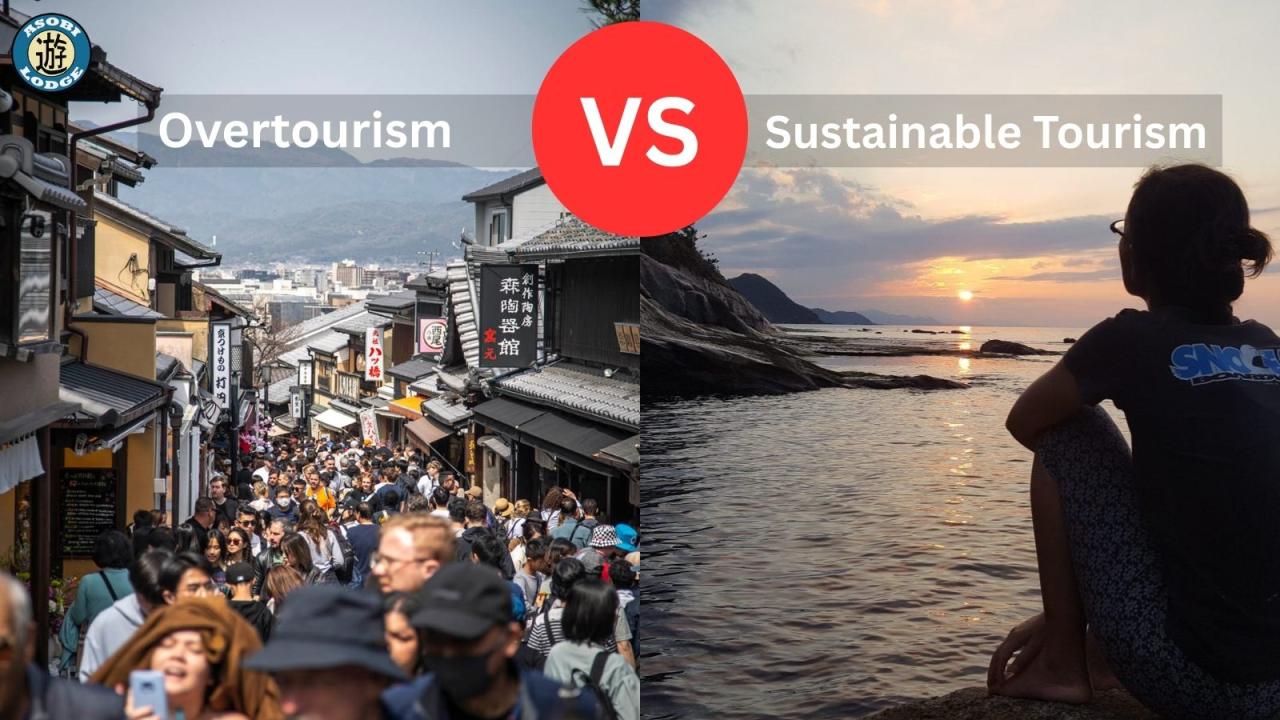
The era of the “jet-setter” who visits 15 countries in 15 days is coming to an end. In its place, a more thoughtful, intelligent, and satisfying model is emerging. The slowcation is not merely a trend; it is a necessary evolution. It is the adult response to the screaming toddler of overtourism.
By embracing the principles of slow travel, you reclaim control over your journey. You liberate yourself from the tyranny of the checklist. You beat the skyrocketing prices that plague famous cities. You save money, reduce your stress, lower your environmental impact, and go home with a far richer tapestry of memories.
The call to action for the modern traveler is clear: Slow down, stay longer, and go deeper. The world is not a theme park to be consumed, but a vast library to be studied, a beautiful song to be savored. Don’t just see the sights experience the life. The slowcation is your path to a more authentic, affordable, and profoundly human travel experience.
In 2026 and beyond, the smartest travelers won’t be the ones with the most passport stamps. They will be the ones who spent the most time in one place, who made the deepest connections, and who enjoyed the most value for their money. Ditch the fast lane, embrace the slow lane, and discover that the best things in travel are not in rushing but in arriving, staying, and belonging. This is the new golden age of travel, and it is wonderfully, beautifully slow.