The travel industry is witnessing a monumental shift in how people choose to spend their leisure time. Gone are the days when a simple beach vacation with a cocktail in hand was the ultimate dream for most travelers. Today, a growing number of tourists are trading sun loungers for zip lines, sandy shores for mountain peaks, and gentle ocean waves for roaring rapids. This phenomenon, widely known as adrenaline tourism or extreme travel, is rapidly replacing traditional beach getaways as the preferred choice for millions of globetrotters worldwide.
But why exactly is this shift happening? What drives modern travelers to seek heart-pounding experiences over peaceful relaxation? In this comprehensive article, we will explore the psychology behind this trend, the economic implications, the most popular adrenaline activities, safety concerns, and why this form of tourism is not just a fleeting fad but a long-term transformation in the travel industry.
Understanding Adrenaline Tourism
Adrenaline tourism, also referred to as extreme tourism or adventure travel, involves participating in activities that elicit strong emotional responses, often characterized by excitement, fear, and exhilaration. These activities push participants beyond their comfort zones and often involve risk, both perceived and real. Examples include skydiving, bungee jumping, white-water rafting, mountain climbing, shark cage diving, and volcano boarding.
Unlike traditional beach vacations that prioritize rest, sun exposure, and passive enjoyment, adrenaline tourism is active, engaging, and immersive. It requires physical effort, mental fortitude, and a willingness to face unpredictability. This form of travel appeals to individuals who crave novelty, challenge, and the rush of endorphins that come from overcoming fears.
The Psychology Behind the Shift
A. The Dopamine Effect
One of the primary reasons adrenaline tourism is replacing beach vacations lies in the brain’s chemistry. When people engage in thrilling activities, their brains release a flood of neurotransmitters, including dopamine, norepinephrine, and adrenaline. These chemicals create feelings of intense pleasure, heightened alertness, and euphoria. The memory of such experiences often remains vivid for years, creating a powerful desire to repeat them.
B. The Hedonic Treadmill and Novelty Seeking
Human beings are naturally wired to seek novelty. This is rooted in evolutionary biology where exploration led to survival advantages. However, in modern life, where routine and predictability dominate, the craving for novelty has found an outlet in extreme travel. The hedonic treadmill theory suggests that people quickly adapt to positive experiences, meaning the joy of a beach vacation diminishes faster than the thrill of an adrenaline-pumping activity. Therefore, travelers increasingly seek more intense experiences to achieve the same level of satisfaction.
C. Digital Detox and Mindful Presence
In an era dominated by smartphones, social media, and constant connectivity, many people feel overwhelmed by digital noise. Adrenaline activities demand full attention and presence. When you are suspended 10,000 feet above the ground or navigating Class V rapids, you cannot check your notifications. This forced mindfulness is incredibly appealing to those seeking an escape from the digital world. Beach vacations, on the other hand, often involve passive scrolling through social media while lounging, which doesn’t provide the same mental reset.
D. Social Currency and Status
In today’s hyper-connected society, experiences have become a form of social currency. Posting a video of skydiving or mountain climbing generates far more engagement on social media than a photo of a beach sunset. This desire for validation and recognition drives many to seek extreme adventures, turning them into modern-day trophies of bravery and resilience.
Economic Impact of Adrenaline Tourism
A. Growth of Niche Tour Operators
The rise of adrenaline tourism has given birth to a burgeoning industry of specialized tour operators. Companies now offer customized adventure packages that cater to varying skill levels and risk appetites. From multi-day mountain expeditions to weekend bungee jumping retreats, the market has diversified significantly.
B. Infrastructure Development
Countries known for their natural landscapes, such as New Zealand, Iceland, Norway, and Costa Rica, have invested heavily in developing infrastructure to support adventure tourism. This includes building suspension bridges, zip-line courses, rafting stations, heli-skiing bases, and eco-lodges in remote areas. Such investments create jobs and stimulate local economies, often providing sustainable income for communities that previously relied on agriculture or fishing.
C. Premium Pricing Willingness
Travelers are willing to pay premium prices for unique, high-quality adrenaline experiences. Unlike beach holidays where price competition is fierce, adventure tours command higher margins due to their specialized nature, safety requirements, and limited group sizes. This makes the sector highly lucrative for businesses and governments alike.
Top Adrenaline Activities Replacing Beach Vacations
Here is a detailed list of the most popular adrenaline activities that are drawing travelers away from sandy shores:
A. Skydiving and Tandem Jumps
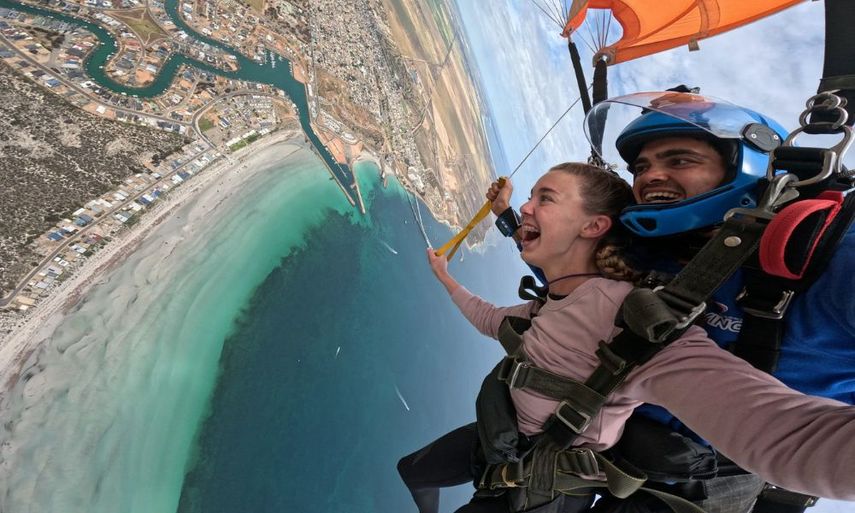
Skydiving remains one of the ultimate adrenaline activities. Jumping out of a perfectly good airplane with a parachute offers an unparalleled rush. Many destinations now offer tandem jumps for beginners, making the sport accessible to almost anyone. Popular locations include Interlaken in Switzerland, Queenstown in New Zealand, and Dubai in the UAE.
B. Bungee Jumping
Originating from the indigenous land divers of Vanuatu and later popularized by the Oxford University Dangerous Sports Club, bungee jumping has become a global phenomenon. Participants leap from high structures such as bridges, cranes, or platforms while attached to an elastic cord. The Nevis Bungee in New Zealand and the Bloukrans Bridge in South Africa are legendary spots.
C. White-Water Rafting and Kayaking
Navigating turbulent rivers in inflatable rafts or kayaks tests teamwork, agility, and courage. Rivers are classified from Class I (easy) to Class VI (extreme). Popular rafting destinations include the Colorado River in the Grand Canyon, the Zambezi River near Victoria Falls, and the Futaleufú River in Chile.
D. Mountain Climbing and Mountaineering
Scaling towering peaks is not only physically demanding but also mentally taxing. Mount Everest remains the ultimate goal for many climbers, but less extreme options include Kilimanjaro, Mont Blanc, and the Himalayas. These expeditions require preparation, acclimatization, and significant financial investment.
E. Shark Cage Diving
For those fascinated by marine life and danger, shark cage diving offers an electrifying encounter with nature’s apex predators. South Africa’s Gansbaai, Mexico’s Guadalupe Island, and Australia’s Port Lincoln are prime locations. Participants enter a reinforced cage submerged in waters where great white sharks are known to hunt, providing an unforgettable face-to-face meeting.
F. Volcano Boarding
Sliding down the slopes of an active volcano on a wooden board may sound insane, but it is a growing trend in destinations like Cerro Negro in Nicaragua. This activity combines speed, heat, and the surreal landscape of volcanic ash and lava fields, offering a truly unique adventure.
G. Paragliding and Hang Gliding
Soaring through the air like a bird using a fabric wing and harness offers a serene yet thrilling experience. Unlike skydiving, paragliding allows for extended flight times and breathtaking views of mountains, valleys, and coastlines. Locations like Ölüdeniz in Turkey and Pokhara in Nepal are famed for their paragliding conditions.
H. Base Jumping
Base jumping involves leaping from fixed objects such as cliffs, buildings, antennas, or bridges with a parachute. It is considered even more dangerous than skydiving due to lower altitudes and proximity to obstacles. This activity is reserved for highly experienced professionals and is strictly regulated in many countries.
I. Ice Climbing
Ice climbing turns frozen waterfalls and glacial walls into vertical playgrounds. Climbers use ice axes and crampons to ascend steep ice formations. Norway’s Rjukan, Canada’s Banff National Park, and Iceland’s Skaftafell are renowned destinations for this frosty adventure.
J. Surfing Big Waves
While surfing is often associated with beaches, big wave surfing is an entirely different beast. Spots like Nazaré in Portugal, Mavericks in California, and Pipeline in Hawaii challenge surfers with waves exceeding 50 feet in height. This activity requires extraordinary skill, physical conditioning, and nerve.
The Role of Technology in Adventure Travel
Technology has played a pivotal role in the rise of adrenaline tourism. From advanced safety gear to real-time tracking, innovations have made extreme activities safer and more accessible. Here are some technological contributions:
A. Wearable Safety Equipment
Modern climbing harnesses, helmets, and parachutes are made from high-strength materials that are lighter and more durable than ever before. Additionally, smart helmets with built-in communication systems allow guides to instruct participants in real time.
B. Drone Photography and Videography
Drones have revolutionized how adventure experiences are documented. Travelers can capture cinematic footage of their activities from angles that were once impossible. This footage is often shared on social media, further fueling interest in adrenaline tourism.
C. Booking and Planning Platforms
Online platforms now allow travelers to easily compare, book, and review adventure tours. Apps like GetYourGuide, Viator, and specialized adventure travel websites provide detailed information on difficulty levels, safety records, and customer feedback.
D. Virtual Reality Previews
Some adventure companies now use VR to give potential customers a preview of what their experience will be like. This helps in setting expectations and reducing anxiety for first-time participants.
Safety Considerations in Adrenaline Tourism
Despite its growing popularity, adrenaline tourism is not without risks. Safety must always be a priority, both for participants and operators. Below are critical aspects of safety management:
A. Proper Training and Briefings
Every adventure activity should begin with comprehensive safety briefings. Participants must understand the risks, equipment usage, emergency procedures, and hand signals. Operators should ensure that all guides and instructors are certified by recognized bodies.
B. Equipment Maintenance
Regular inspection and maintenance of all gear—from ropes and harnesses to rafts and parachutes—are non-negotiable. Operators should follow strict protocols and document every equipment check.
C. Weather Monitoring
Many activities are weather-dependent. Wind, rain, fog, and temperature can drastically affect safety. Operators must have protocols for postponing or canceling activities based on unfavorable conditions.
D. Medical Preparedness
Remote adventure locations often lack immediate access to hospitals. Therefore, guides should be trained in first aid and CPR. Additionally, communication devices like satellite phones should be available for emergencies.
E. Insurance Coverage
Travelers should always purchase comprehensive travel insurance that specifically covers adventure activities. Many standard policies exclude extreme sports, so it is crucial to read the fine print.
F. Physical and Mental Fitness
Not all activities are suitable for everyone. Operators should assess participants’ fitness levels and health conditions honestly. Travelers, in turn, must disclose any medical issues that could affect their ability to participate safely.
Environmental and Ethical Considerations
As adrenaline tourism grows, so does its impact on the environment and local communities. Responsible travel practices must be integrated into this industry:
A. Leave No Trace Principles
Adventure tourists should adhere to the Leave No Trace principles, which include packing out all waste, respecting wildlife, and minimizing campfire impacts. Operators also have a duty to educate their clients about environmental stewardship.
B. Support for Conservation
Many adventure companies contribute a portion of their profits to conservation efforts. This can include funding for national parks, wildlife protection, and reforestation projects. Travelers are encouraged to choose operators that demonstrate genuine environmental commitment.
C. Respect for Indigenous Cultures
Many adventure destinations are located near indigenous lands. Tourists must respect cultural traditions, seek permission when entering sacred sites, and support local businesses to ensure that economic benefits flow to the community.
D. Sustainable Infrastructure
Building infrastructure in fragile ecosystems must be done sustainably. Eco-lodges, solar-powered bases, and waste recycling systems are examples of how the industry can reduce its ecological footprint.
Who Is the Typical Adrenaline Tourist?
While it is easy to stereotype adrenaline tourists as young, single, and wealthy, the reality is far more diverse:
A. Age Demographics
Adrenaline tourists range from teenagers to retirees. Many activities offer varying intensity levels, allowing older adults to participate in less extreme versions. For example, a gentle zip-line tour is accessible to most age groups, while advanced mountaineering is reserved for the physically fit.
B. Gender Distribution
Interestingly, participation rates among men and women are becoming increasingly balanced. Women are actively engaging in skydiving, surfing, and even base jumping, breaking traditional gender stereotypes.
C. Income Levels
While some activities like heli-skiing and Antarctic expeditions are costly, many other adventures such as hiking, kayaking, and camping are budget-friendly. This inclusivity has contributed to the widespread adoption of adrenaline tourism.
D. Motivation Types
Research identifies several motivational clusters among adventure travelers:
-
Thrill-seekers who are driven by the rush of danger.
-
Nature-lovers who use adventure as a means to connect with pristine environments.
-
Self-improvers who see challenges as opportunities for personal growth.
-
Socializers who want to bond with friends or meet new people through shared experiences.
The Role of Social Media and Influencer Marketing
There is no denying the influence of social media in promoting adrenaline tourism. Influencers and content creators often partner with adventure companies to showcase their experiences, driving bookings and awareness. The visual nature of platforms like Instagram, TikTok, and YouTube makes them ideal for highlighting the breathtaking moments of extreme travel.
A. User-Generated Content
Travelers themselves are powerful marketers. When they share photos and videos of their adventures, they inspire their networks to pursue similar experiences. This organic word-of-mouth is incredibly effective.
B. Influencer Collaborations
Top adventure influencers often have millions of followers. A single post can generate thousands of inquiries and bookings. Companies invest heavily in these collaborations to build brand credibility and reach new audiences.
C. Challenges and Viral Trends
Viral challenges like the “Ice Bucket Challenge” have evolved into adventure-based trends. For instance, cliff jumping challenges or wing-suit flying videos often go viral, inspiring copycat behavior, albeit with proper precautions.
Future Trends in Adrenaline Tourism
The evolution of adrenaline tourism shows no signs of slowing down. Looking ahead, several emerging trends are set to shape the industry:
A. Space Tourism
Companies like Virgin Galactic, Blue Origin, and SpaceX are pioneering commercial space travel. While currently exorbitantly priced, space tourism represents the ultimate adrenaline experience. In the coming decades, it may become more accessible.
B. Augmented Reality Adventures
Integrating augmented reality (AR) into adventure activities can add a new layer of excitement. Imagine climbing a mountain while AR overlays show historical events, mythical creatures, or navigational data, enriching the experience without detracting from reality.
C. Sustainable Adventure Retreats
Eco-conscious travelers are driving demand for sustainable adventure retreats that combine thrill-seeking with environmental education. These retreats often include activities like tree planting, wildlife monitoring, and clean-up initiatives alongside traditional adventure sports.
D. Personalized Adventure Packages
Artificial intelligence is enabling hyper-personalized travel planning. By analyzing preferences, fitness levels, and past experiences, AI can recommend tailored adventure itineraries that match individual profiles perfectly.
E. Wellness-Adventure Fusion
A new niche is emerging that combines wellness with adrenaline. After a day of intense activity, participants can enjoy yoga, meditation, spa treatments, and nutritious meals. This holistic approach appeals to those seeking both excitement and recovery.
How to Plan Your Adrenaline Vacation
If you are considering trading your beach holiday for an adrenaline-packed adventure, here is a step-by-step guide to help you plan:
A. Assess Your Fitness Level
Be honest about your physical capabilities. Choose activities that match your strength, endurance, and flexibility. If you are unsure, consult with a medical professional before booking.
B. Research Destinations
Different countries specialize in different activities. Research which destinations offer the best conditions and safety records for your chosen adventure. Read reviews and check certifications of tour operators.
C. Budget Accordingly
Adventure travel can be expensive, especially when factoring in equipment rentals, guides, permits, and insurance. Create a realistic budget and allocate extra funds for emergencies.
D. Book Through Reputable Operators
Always book through established operators with positive reviews and proper licensing. Avoid deals that seem too good to be true, as safety may be compromised.
E. Prepare Mentally
Understand that fear is normal. Preparation and training can reduce anxiety. Consider doing a smaller-scale adventure first to build confidence.
F. Pack Smart
Pack appropriate clothing, sunscreen, insect repellent, first-aid supplies, and a reliable camera. Also, bring a backup power bank for your electronic devices.
The Psychological Benefits of Adrenaline Tourism

Beyond the immediate rush, there are long-term psychological benefits associated with adventure travel:
A. Increased Resilience
Facing fear and overcoming challenges builds mental toughness. This resilience often translates into other areas of life, including career and relationships.
B. Enhanced Self-Esteem
Completing a difficult adventure instills a sense of achievement. This boost in self-esteem can be lasting, improving overall well-being.
C. Stress Reduction
Despite the initial stress, the aftermath of an adrenaline experience often leads to deep relaxation and stress relief. The contrast between high-intensity activity and subsequent calm is remarkably therapeutic.
D. Broader Perspective
Viewing the world from a mountaintop or underwater ecosystem shifts perspectives. Travelers often return with greater appreciation for life, nature, and their own capabilities.
Potential Drawbacks and How to Mitigate Them
No trend is without drawbacks. Here are some potential downsides of adrenaline tourism and how to address them:
A. Overtourism in Fragile Areas
Popular destinations like Everest or Patagonia face overcrowding. To mitigate, travelers should consider visiting during shoulder seasons or exploring lesser-known alternatives.
B. Environmental Degradation
Unregulated activities can harm ecosystems. Always choose operators committed to sustainable practices and follow guidelines to minimize your footprint.
C. Financial Strain
Adventure travel can be costly. Plan ahead, look for off-season discounts, and consider group packages to share costs.
D. Risk of Injury
Despite safety measures, injuries can occur. Ensure you have adequate insurance and emergency contact plans in place.
Conclusion
Adrenaline tourism is not merely a passing trend; it is a fundamental shift in how modern society perceives leisure, achievement, and self-discovery. The old model of passive beach vacations is steadily being replaced by active, meaningful, and challenging experiences that foster personal growth, create unforgettable memories, and offer genuine connections to nature and other people. The psychological drivers, economic opportunities, and technological advancements all point toward a future where adventure becomes the norm rather than the exception.
However, as this industry continues to expand, it is imperative that both operators and travelers prioritize safety, sustainability, and ethical responsibility. By doing so, adrenaline tourism can thrive without compromising the very environments and communities that make it possible. So, the next time you plan a vacation, consider stepping out of your comfort zone. Leap into the unknown, embrace the fear, and discover a version of yourself that you never knew existed.