In an era dominated by curated feeds, polished advertisements, and algorithmic perfection, a revolutionary shift is quietly reshaping the fashion and lifestyle landscape. The modern consumer, weary of airbrushed illusions and manufactured personas, is gravitating toward something far more compelling: unfiltered authenticity. This paradigm shift represents more than a fleeting trend; it is a fundamental redefinition of what style means in the 21st century. Authenticity has become the new luxury, and imperfection is now the ultimate status symbol. As we navigate this transformative period, we must understand how genuine self-expression, raw honesty, and unapologetic individuality are dismantling traditional fashion hierarchies and democratizing style in unprecedented ways.
The Evolution of Style Perception
Style has historically been dictated by elite institutions, fashion houses, and gatekeepers who determined what was “in” and what was “out.” From the rigid corsets of the Victorian era to the power suits of the 1980s, clothing served as a uniform of conformity. However, the digital age has accelerated a cultural revolution where power has shifted from institutions to individuals. Social media platforms, particularly Instagram and TikTok, have given ordinary people a megaphone to showcase their unique aesthetics without seeking permission from traditional arbiters of taste. This democratization has paved the way for unfiltered authenticity to flourish, as people realize that their quirks, flaws, and unconventional choices are precisely what make their style memorable.
The concept of personal style has always existed, but it was often suppressed by societal expectations and industry gatekeeping. Today, we witness an explosion of diverse expressions where vintage pieces coexist with high-end designer garments, and thrift-store finds are celebrated alongside luxury accessories. This eclectic mix is not born from confusion but from a deliberate rejection of prescriptive fashion rules. When individuals embrace their true selves, they naturally gravitate toward pieces that resonate with their identity rather than items that merely signal status or conformity. The result is a more vibrant, inclusive, and honest fashion ecosystem that benefits both creators and consumers.
The Psychology Behind Authentic Style
Understanding why unfiltered authenticity resonates so deeply requires examining the psychological underpinnings of human behavior. In a world saturated with filtered images and carefully constructed online personas, there is an innate human desire for genuine connection and realness. Psychologists suggest that authenticity satisfies our fundamental need for self-actualization, allowing us to present our true selves to the world without fear of judgment. When we dress authentically, we experience cognitive consonance, meaning our external appearance aligns with our internal identity, leading to greater confidence and emotional well-being.
Moreover, the pursuit of authenticity serves as a counterbalance to the anxiety induced by social comparison. When everyone is striving for an impossible standard of perfection, the pressure becomes unbearable. Authentic style liberates individuals from this rat race by celebrating what makes them unique rather than what makes them identical to others. It shifts the focus from “What should I wear to impress?” to “What do I want to express today?” This subtle yet profound reframing reduces anxiety and fosters a healthier relationship with fashion. As mental health becomes an increasingly important topic, the link between authentic self-expression and psychological resilience cannot be overstated.
The Role of Social Media in Amplifying Authenticity
While social media has often been criticized for promoting unrealistic standards, it also serves as a powerful catalyst for authentic expression. Platforms like TikTok and Instagram have given rise to micro-communities where individuals celebrate their unique aesthetics without fear of mainstream rejection. Hashtags like #OOTD, #ThriftHaul, and #StyleInspo have evolved into spaces where real people share their genuine fashion choices, complete with imperfections, wrinkles, and unconventional combinations. These digital communities provide validation and encouragement, reinforcing that authenticity is not only acceptable but desirable.
Content creators who embrace transparency—showing their styling mistakes, the mess behind their photos, or the realities of their daily lives—often build stronger connections with their audiences. This transparency creates trust and loyalty that polished influencers with flawless content struggle to achieve. Brands have taken note, shifting their marketing strategies to feature relatable faces, unretouched images, and behind-the-scenes content. The result is a more honest dialogue between brands and consumers, where perfection is no longer the benchmark, and realness is celebrated as a breath of fresh air in an otherwise curated digital landscape.
Sustainability and Authenticity: A Natural Alliance
The rise of authentic style intersects meaningfully with the growing sustainability movement in fashion. When individuals prioritize genuine self-expression over trend-chasing, they naturally move away from fast fashion’s disposable culture. Authentic style encourages investment in timeless pieces, quality craftsmanship, and garments that truly resonate with one’s identity. This shift reduces the impulse to buy cheap, trendy items that quickly lose their appeal and end up in landfills. Instead, authentic dressers curate wardrobes built on intention, longevity, and personal significance.
Furthermore, authenticity promotes a more sustainable approach to consumption by normalizing second-hand shopping, clothing swaps, and upcycling. When individuals are confident in their unique style, they are less likely to feel pressured to follow fleeting trends that require constant wardrobe updates. This conscious consumption benefits both the environment and personal finances, creating a win-win scenario. The connection between authentic style and sustainability is not coincidental; both movements reject superficiality in favor of substance, and both prioritize long-term value over short-term gratification.
Breaking Gender Norms Through Authentic Expression
Unfiltered authenticity has also played a pivotal role in dismantling rigid gender norms in fashion. Historically, clothing has been heavily gendered, with strict expectations for how men and women should present themselves. However, as more individuals embrace their authentic selves, these boundaries are blurring. Men are wearing skirts, women are donning tailored suits, and non-binary individuals are creating entirely new aesthetics that defy categorization. This gender-fluid approach to style is not about rebellion for its own sake but about allowing people to dress in ways that genuinely reflect their identities.
Designers are responding to this cultural shift by creating collections that transcend traditional gender categories, offering fluid silhouettes, neutral palettes, and versatile pieces that can be styled in countless ways. This evolution is making fashion more inclusive and accessible, allowing everyone to explore their style without constraints. When authenticity is prioritized over conformity, gender becomes less of a determining factor in how we dress, and personal preference takes center stage. This is a profound development that enriches the fashion industry and empowers individuals to express their full humanity.
The Influence of Street Style and Subcultures
Street style has long been a bastion of authentic expression, originating from subcultures that rejected mainstream fashion norms. From punk rockers to skaters to hip-hop enthusiasts, these communities have consistently championed individuality over conformity. Today, street style continues to influence high fashion, with designers drawing inspiration from the raw, unpolished aesthetics found on city streets. This cross-pollination has elevated authentic style from a niche phenomenon to a global movement that permeates every level of the fashion industry.
The beauty of street style lies in its unpretentiousness. It is not dictated by runways or magazines but emerges organically from the lived experiences of real people. Whether it is a vintage band t-shirt, oversized cargo pants, or a thrifted blazer worn with sneakers, street style celebrates the unexpected combinations that arise when individuals dress for themselves rather than for an audience. This organic creativity continues to inspire designers, photographers, and fashion enthusiasts worldwide, reinforcing that the most compelling style often comes from places of genuine expression rather than calculated curation.
Practical Steps to Cultivate Authentic Style
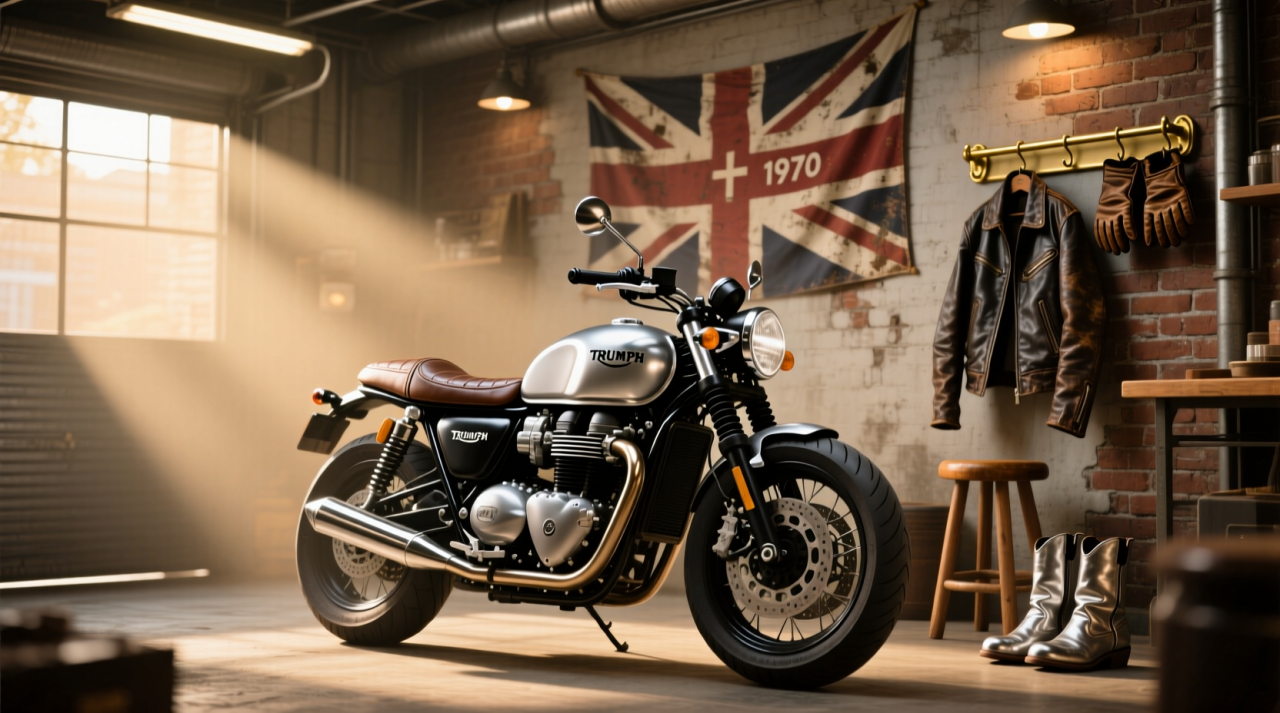
For those looking to embrace unfiltered authenticity in their own wardrobes, the journey begins with self-reflection rather than shopping. Understanding your personal aesthetic, lifestyle needs, and what makes you feel confident is essential. Start by evaluating your current wardrobe and identifying pieces that truly resonate with you versus those that merely serve as placeholders. Purge items that do not align with your authentic self, and make room for pieces that reflect your personality.
Consider the following practical strategies for cultivating authentic style:
A. Conduct a wardrobe audit where you assess each item based on how it makes you feel, how often you wear it, and whether it truly represents your identity. Be honest about pieces that are worn purely out of obligation or habit.
B. Create a mood board or digital inspiration folder that captures images, colors, and textures that genuinely excite you. Look for patterns that reveal your authentic preferences rather than what is currently trending.
C. Experiment with styling in a low-pressure environment, such as trying combinations at home before wearing them out. This allows you to test different looks without external judgment, building confidence in your choices.
D. Invest in high-quality basics that serve as a foundation for your wardrobe, allowing you to build versatile outfits that can be adapted to various occasions while maintaining your personal aesthetic.
E. Embrace thrift and vintage shopping as a way to discover unique pieces that cannot be found in mainstream retail, adding character and storytelling potential to your wardrobe.
F. Learn basic garment care and minor alterations to extend the life of your clothing, ensuring your favorite pieces remain in rotation for years to come.
G. Engage with online communities that share your aesthetic sensibilities, finding inspiration and encouragement from others who value authentic expression.
H. Practice mindfulness when shopping, asking yourself whether a new purchase adds genuine value to your wardrobe or simply satisfies a fleeting desire.
I. Document your outfits to track your style evolution and identify what works best for different contexts, helping you refine your approach over time.
J. Most importantly, allow yourself the freedom to change, grow, and evolve. Authentic style is not static; it reflects your journey and should adapt as you do.
Authenticity in Professional Environments
One common concern about embracing authentic style is whether it translates to professional settings. The good news is that workplace dress codes have become increasingly flexible, with many companies recognizing that employee comfort and authenticity contribute to productivity and job satisfaction. Casual Fridays have evolved into everyday dress codes, and even conservative industries like finance and law are relaxing their standards. However, striking the right balance between professionalism and authenticity requires thoughtful consideration.
The key lies in understanding your workplace culture and finding ways to incorporate your personal style within its boundaries. This might mean choosing a tailored blazer in your favorite color, wearing statement accessories that reflect your personality, or opting for well-fitted clothing that conveys confidence and competence. Ultimately, authenticity in professional settings is about presenting yourself as a capable, trustworthy individual while still expressing your unique identity. When done thoughtfully, authentic style can enhance your professional presence and make you more memorable in a positive way.
Overcoming Fear of Judgment
One of the greatest barriers to embracing authentic style is the fear of negative judgment from others. This fear is deeply rooted in our evolutionary need for social acceptance, making it a formidable obstacle to overcome. However, it is essential to recognize that the people who matter most will appreciate your authenticity, while those who judge you based on superficial appearances are unlikely to offer meaningful connections anyway. Building confidence in your style choices requires reframing your perspective and prioritizing your own satisfaction over external validation.
Start by making small changes that feel safe but expressive, gradually building your confidence over time. Surround yourself with supportive individuals who encourage your self-expression, and seek inspiration from those who have successfully navigated their own style journeys. Remember that style is a form of communication, and when you dress authentically, you are sending a powerful message about self-acceptance and integrity. The more you practice, the easier it becomes, and soon, authentic style will feel like second nature rather than a bold statement.
The Future of Authentic Style
Looking ahead, the trajectory of unfiltered authenticity appears boundless. As technology continues to evolve, we can expect new tools and platforms that further empower individual expression. Virtual reality and augmented reality will likely offer novel ways to experiment with style, while artificial intelligence may provide personalized styling recommendations that honor our unique preferences. However, the core principle remains unchanged: authenticity will always be the ultimate differentiator in a crowded marketplace.
The fashion industry itself is undergoing a structural transformation, with direct-to-consumer brands, independent designers, and sustainable labels challenging the dominance of traditional luxury houses. This diversification creates more opportunities for consumers to find brands that align with their values and aesthetics. As the industry becomes more inclusive and responsive to consumer desires, the demand for authentic expression will only intensify. Brands that embrace transparency, ethical practices, and genuine representation will thrive, while those clinging to outdated ideals of perfection will struggle to remain relevant.
Conclusion
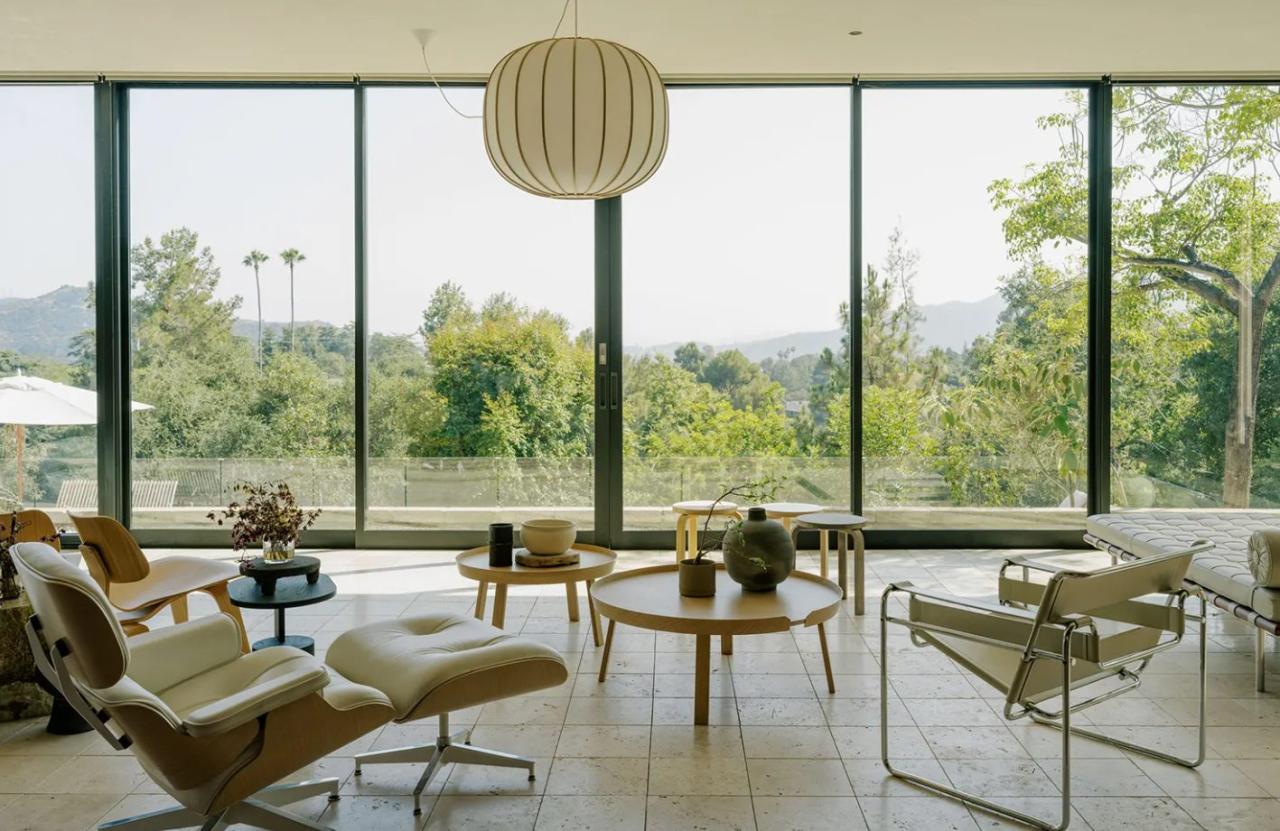
Unfiltered authenticity is not merely a stylistic choice; it is a philosophical stance that challenges us to live more honestly and intentionally. In a world hungry for realness, embracing your unique style is a radical act of self-acceptance that resonates far beyond fashion. It impacts our mental health, our relationships, our consumption habits, and even our professional success. By rejecting manufactured perfection in favor of genuine self-expression, we contribute to a cultural shift that values substance over superficiality and humanity over imagery.
As we continue to navigate this evolving landscape, let us remember that style is not about what we wear but about who we are. The most compelling style emerges when we have the courage to show ourselves to the world exactly as we are, wrinkles, imperfections, and all. This is the essence of unfiltered authenticity, and it is precisely what defines modern style in an age of information overload and manufactured personas. Embrace your truth, trust your instincts, and let your wardrobe tell your story without apology.