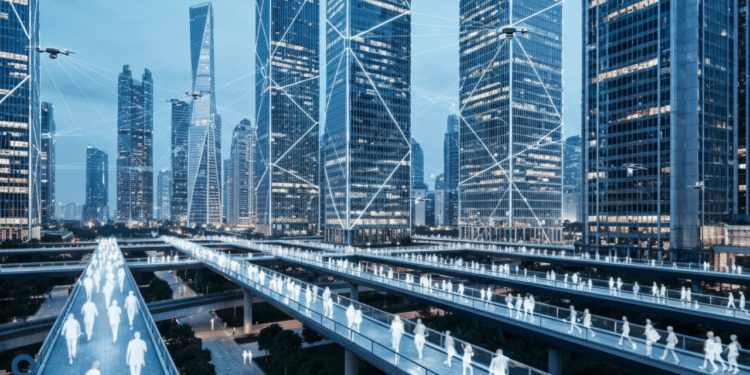
The global real estate landscape is undergoing a fundamental transformation, moving beyond traditional urban development models to embrace a more holistic approach to city living. This evolution reflects changing priorities among residents, investors, and city planners who recognize that modern urban dwellers seek more than just convenience they desire an integrated lifestyle that seamlessly combines work, living, and leisure in a resort-like environment. As cities expand and evolve, the Work-Live-Resort model has emerged as a compelling solution, reshaping how we think about urban spaces and creating new standards for metropolitan living.
This new paradigm represents a significant shift from earlier development concepts, responding to the needs of a generation that values wellness, flexibility, and efficiency. By examining global examples and emerging projects, we can understand how this transformative approach is changing cities and creating lasting value for communities and investors alike.
Understanding the Evolution of Urban Living
The Traditional “Work-Live-Play” Model
For decades, urban development followed the familiar “Work-Live-Play” model, which shaped cities worldwide by creating integrated ecosystems where residents could work, live, and find entertainment within a single area . This approach, prominent in global centers like New York, Singapore, and Dubai, optimized commuting time and improved quality of life by reducing the need for lengthy travel between home, workplace, and entertainment venues.
In Vietnam, the “Work-Live-Play” model has been successfully implemented for over a decade, allowing residents to work in office buildings, live in apartment complexes, and access commercial and entertainment amenities within the same development . These projects have contributed to reshaping urban living standards, offering convenience and accessibility that previous generations could only imagine.
However, as incomes have risen and lifestyle expectations have evolved, the “Play” component has proven insufficient for many residents. Today’s buyers, particularly professionals and international clients, seek more than simple convenience; they desire living environments that can restore energy and balance physical and mental well-being .
The Shift to Work-Live-Resort
The transition from “Work-Live-Play” to “Work-Live-Resort” represents a natural progression in urban development, responding to growing demand for higher-quality living experiences. While the earlier model focused primarily on convenience, the newer approach elevates urban living to a resort-quality standard where residents can enjoy wellness amenities and relaxation features within their everyday environment .
This shift reflects broader societal changes, including increased health consciousness, a desire for work-life balance, and growing appreciation for experiences over mere possessions. The “Resort” component introduces elements traditionally associated with vacation destinations—infinity pools, spas, yoga studios, rooftop lounges, and serene green spaces—into daily urban life, creating an environment where every day feels like a getaway.
The Global Work-Live-Resort Movement
Iconic International Examples
Around the world, iconic developments have demonstrated the appeal and sustainable value of integrated, multi-functional urban projects. These developments serve as benchmarks for how the Work-Live-Resort model can transform cities and create lasting value.
In Singapore, Marina Bay Sands stands as a prime example, featuring a luxury hotel complex, convention center, The Shoppes shopping mall, ArtScience Museum, and an iconic infinity pool . This integrated resort has become synonymous with the city-state’s modern identity, attracting millions of visitors annually while providing a comprehensive living and working environment.
Dubai’s Downtown Dubai similarly defines the “city within a city” concept, bringing together luxury apartments, Grade A offices, and a global chain of entertainment facilities around the Burj Khalifa tower . This development has become the heart of one of the world’s most dynamic cities, demonstrating how integrated projects can drive economic growth and urban transformation.
In Southeast Asia, IconSiam on Thailand’s Chao Phraya River exemplifies the integrated riverside urban trend, combining luxury shopping malls, ultra-luxury apartments, the Sook Siam cultural space, marinas, and world-class entertainment facilities . This development has revitalized Bangkok’s riverfront, creating a vibrant destination that attracts both residents and visitors.
Characteristics of Successful Work-Live-Resort Cities
The Work-Live-Resort model typically flourishes in cities experiencing rapid internationalization, where people come not only to live but also to work, experience, and establish long-term roots . These cities share several common characteristics that make them particularly suited to this development approach.
A. Strong economic fundamentals with diverse industries beyond tourism
B. Growing international community of professionals and experts
C. Developed infrastructure supporting connectivity and mobility
D. Natural assets such as coastlines, rivers, or scenic landscapes
E. Government policies supporting foreign investment and residency
F. Vibrant cultural and entertainment scenes
G. Commitment to sustainability and quality of life
Cities that possess these attributes can successfully implement the Work-Live-Resort model, creating environments that attract international talent and investment while providing exceptional quality of life for residents.
Da Nang: A Rising Star in Urban Resort Living
Strategic Positioning as an International Financial Center
Da Nang, Vietnam’s central coastal city, has emerged as a particularly promising location for the Work-Live-Resort model. The city is entering a new development cycle, where growth drivers extend beyond tourism to encompass technology, finance, and the international expert community .
The city’s strategic positioning is reflected in its investment attraction figures, with Da Nang recording over $237 million in total registered FDI capital in just the first four months of 2026—nearly double the amount compared to the same period the previous year . This growth reflects Da Nang’s increasing attractiveness on the international investment map and its potential to become a major economic hub.
Da Nang’s transformation has been further accelerated by its merger with Quang Nam province, which includes the Chu Lai open economic zone, Chu Lai port, and a rapidly developing network of industrial parks . This expansion positions Da Nang not merely as a tourism hub but as a complete economic ecosystem encompassing finance, logistics, and manufacturing.
Tourism and Visitor Growth
The city’s tourism industry continues to demonstrate robust growth, providing a solid foundation for the Work-Live-Resort model. According to Da Nang City Statistics, the total number of visitors served by accommodation establishments in the first four months of 2026 reached nearly 6 million, an increase of 19.2% compared to the same period last year .
This visitor growth is accompanied by longer average stays, with the average length of stay for overnight guests reaching 1.87 days per trip in the first four months of 2026 . International visitors stayed an average of 1.98 days, while domestic visitors stayed 1.69 days. At many high-end accommodations, occupancy rates during holiday periods have averaged over 90%, reflecting tourists’ willingness to pay more to extend their stays in Da Nang .
The upward trajectory continued through the first half of 2026, with accommodation establishments serving over 9.77 million guests, an increase of over 22% compared to the same period in 2025 . International guests reached nearly 5.16 million, an increase of over 28%, while domestic guests totaled nearly 4.61 million, an increase of over 16%. Revenue from accommodation, food, and travel for the first half of 2026 exceeded 34.7 trillion VND, up over 21% compared to the previous year .
Infrastructure Development
Da Nang’s infrastructure development further supports its transformation into a Work-Live-Resort destination. The city boasts increasingly sophisticated logistics infrastructure, with Da Nang International Airport ranking among the three largest air gateways in the country . The airport currently serves approximately 15 million passengers annually, with plans to expand capacity to over 20 million passengers per year.
Additional infrastructure assets include Tien Sa Port and the planned development of Lien Chieu Port into a large-scale deep-water port for Central Vietnam . These transportation connections facilitate both tourism and business travel, making Da Nang increasingly accessible to international visitors and professionals.
Growing International Professional Community
As Da Nang develops as an economic center, the city is attracting a growing community of international professionals. The influx of foreign experts, engineers, entrepreneurs, financial and technology personnel, and high-quality workforce creates demand for accommodation that meets international standards and supports professional lifestyles.
This trend is particularly pronounced as Da Nang positions itself as an international financial center, following its strategic orientation . The city’s expanding visa and residency policies further support this trend, making it easier for international professionals to establish long-term residence in Da Nang.
The M Riverside Danang Project: A Case Study
Project Overview and Location
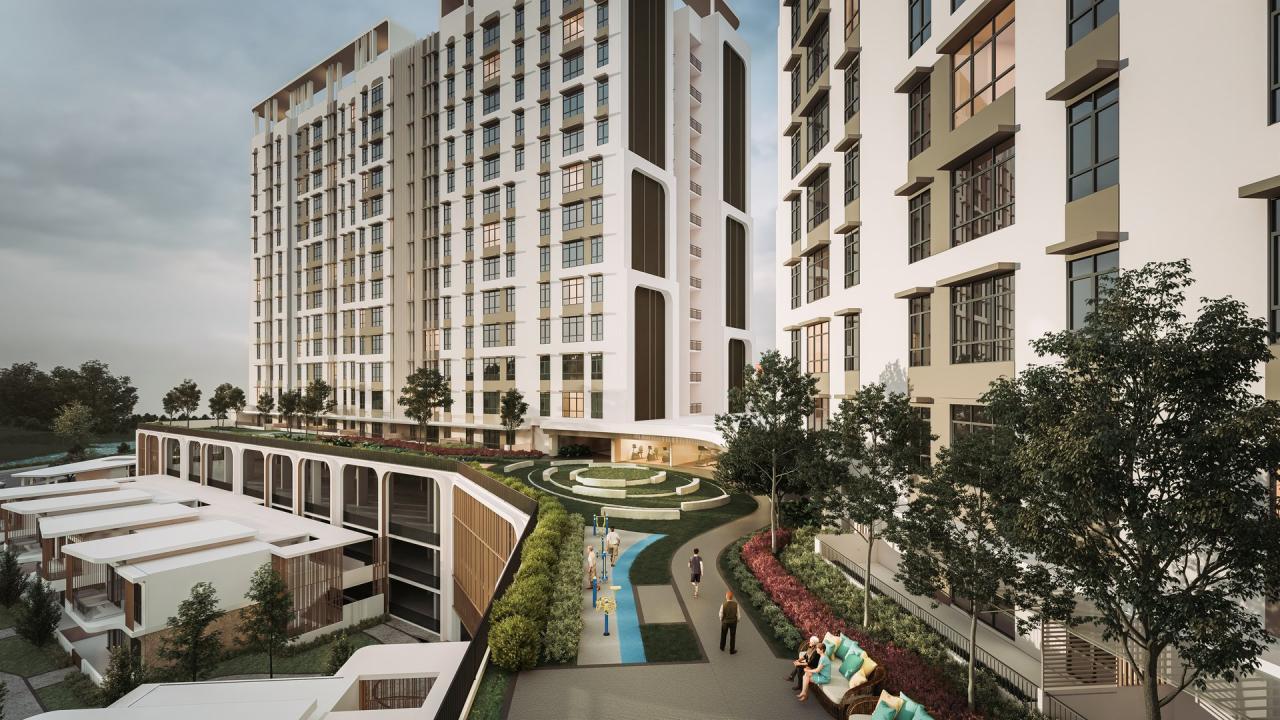
The M Riverside Danang project represents a notable implementation of the Work-Live-Resort model in Da Nang. Developed through a partnership between Sao Mai Viet and Kyoritsu Maintenance Vietnam, the 25-story building features 312 commercial and service apartments .
The project occupies a prime location on a 1,853 square meter plot with three street frontages on 2/9 Street, Binh Hien Street, and Dao Tan Street, right by the Han River . This central position, opposite APEC Park, provides quick access to the Dragon Bridge, the international administrative center, and other famous landmarks and amenities of the city .
Unlike many resort projects located far from city centers, M Riverside Danang’s location allows residents to enjoy the dynamic lifestyle of the future financial center while maintaining the tranquil atmosphere characteristic of a riverside city . This balance of accessibility and tranquility is a key feature of successful Work-Live-Resort developments.
Resort-Style Amenities
The project offers comprehensive resort-style amenities designed to support residents’ well-being and lifestyle aspirations. These include:
A. An infinity pool providing stunning views and recreation
B. A well-equipped fitness center for health and wellness
C. Sauna and yoga studio for relaxation and rejuvenation
D. Rooftop lounge for social gatherings and relaxation
E. Coffee lounge and restaurant for dining and refreshment
F. Riverside relaxation spaces for peaceful enjoyment of the environment
These amenities create an environment where every day returning home feels like an extended vacation . The resort quality of the facilities ensures that residents can enjoy wellness experiences without leaving their living environment.
Investment Appeal and Financial Considerations
The M Riverside Danang project offers compelling investment characteristics that reflect the broader appeal of the Work-Live-Resort model. Based on a reference investment scenario, a studio apartment at M Riverside Danang with an area of approximately 35 square meters has a total price of 3.5 billion VND, including taxes and fees .
The project’s investment appeal is enhanced by Da Nang’s strong rental market, supported by the city’s growing tourism and business travel sectors. Investors can explore various scenarios: short-term rentals during peak tourist seasons, medium-term rentals for professionals, or long-term rentals for groups seeking to live in central Da Nang . This flexibility ensures more sustainable cash flow and reduces dependence on peak seasons.
Key investment advantages include:
A. Stable monthly rental income from diverse tenant sources
B. Long-term asset appreciation potential based on urban development cycles
C. Legal transparency and clear ownership status
D. Professional property management through experienced operators
E. Strategic location in a city poised for significant economic growth
F. Adaptability to multiple rental scenarios and tenant types
The dual benefit of monthly income and asset appreciation positions Work-Live-Resort projects like M Riverside as potential solutions for investors seeking to preserve capital while generating returns .
Development Quality and Partnerships
The development of M Riverside Danang demonstrates the importance of quality partnerships in delivering successful Work-Live-Resort projects. The project benefits from Sao Mai Viet’s decades of real estate development experience, having participated in numerous large-scale urban and resort real estate projects across Vietnam .
Kyoritsu Maintenance Vietnam’s expertise in hospitality management and operations contributes to achieving international operating standards . This partnership ensures that the project can meet the accommodation needs in the context of Da Nang’s continued tourism development and investment attraction.
The Broader Impact of Work-Live-Resort Model
Economic Benefits for Cities
The Work-Live-Resort model generates substantial economic benefits for cities that successfully implement it. These benefits extend beyond real estate development to encompass broader economic growth and urban transformation.
A. Increased property values and tax revenues
B. Job creation in construction, management, and hospitality
C. Attraction of international investment and talent
D. Support for tourism industry growth
E. Enhanced city brand and global competitiveness
F. Stimulation of local businesses and services
G. Revenue generation through accommodation and tourism spending
Cities like Da Nang that embrace this model position themselves to capture these economic benefits, supporting long-term sustainable development.
Social and Lifestyle Benefits
Beyond economic considerations, the Work-Live-Resort model offers significant social and lifestyle benefits for residents and communities. These include:
A. Improved work-life balance through integrated living environments
B. Access to wellness and recreational facilities
C. Reduced commuting stress and environmental impact
D. Enhanced social connections within integrated communities
E. Improved physical and mental well-being
F. Access to international standard living experiences
G. Support for professional networking and collaboration
These benefits address the evolving priorities of modern urban residents, who increasingly value quality of life alongside professional success.
Environmental and Urban Sustainability
Work-Live-Resort developments can contribute to environmental sustainability and more efficient urban form. By integrating residential, commercial, and recreational spaces, these developments reduce the need for lengthy commutes and associated carbon emissions . They also support more efficient use of urban land and infrastructure.
The emphasis on green spaces, water features, and sustainable design in many Work-Live-Resort projects further enhances environmental outcomes. Developments like M Riverside Danang incorporate natural amenities and sustainable practices that contribute to the city’s overall environmental quality.
Future Outlook and Implications
Growing Demand for Integrated Living
The shift toward Work-Live-Resort living reflects deeper changes in how people approach their lives and careers. As remote and flexible work arrangements become increasingly common, the traditional separation between work and personal life has blurred, creating demand for environments that seamlessly accommodate both .
Younger generations particularly value experiences, wellness, and flexibility, making the resort-like features of integrated developments particularly appealing. This demographic shift suggests that demand for Work-Live-Resort properties will likely continue growing.
Potential for Replication in Other Cities
The success of the Work-Live-Resort model in cities like Da Nang suggests potential for replication in other urban centers. Cities that share Da Nang’s characteristics—strong economic fundamentals, natural assets, growing international communities, and strategic positioning for growth—could similarly benefit from this development approach.
Particularly in Southeast Asia, where urbanization continues rapidly and growing middle classes demand higher quality housing, the Work-Live-Resort model offers a promising direction for urban development.
Evolution of Real Estate Investment
The Work-Live-Resort model represents an evolution in real estate investment, moving beyond simple speculation toward assets that generate sustainable income and value. As markets become more sophisticated, investors increasingly seek properties that can provide both cash flow and long-term appreciation .
This trend suggests that properties combining location advantages, legal transparency, and adaptability to changing demand will become increasingly valuable. Projects like M Riverside Danang, which can serve multiple tenant types and adapt to different market conditions, exemplify the characteristics that investors seek .
Conclusion
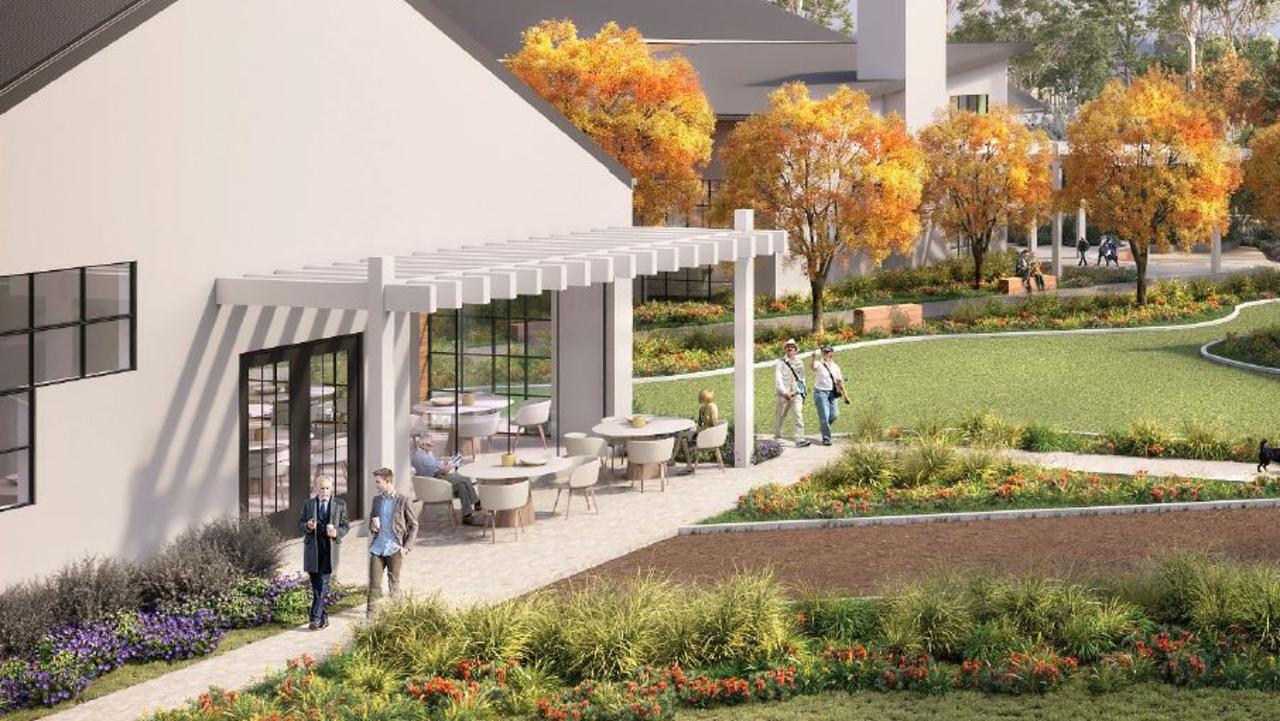
The Work-Live-Resort model represents a significant evolution in urban development, responding to changing lifestyles and preferences while creating lasting value for cities and investors. By integrating work, living, and resort-quality amenities within single developments, this approach creates environments where residents can thrive professionally and personally.
Da Nang’s emergence as a center for this development model reflects its strategic positioning as an international financial center, its robust tourism industry, its growing international professional community, and its commitment to infrastructure development. Projects like M Riverside Danang demonstrate the potential of this approach to transform urban environments while generating economic benefits.
As cities worldwide continue to evolve, the Work-Live-Resort model offers a compelling vision for urban living that balances economic vitality, environmental sustainability, and quality of life. For residents seeking integrated living experiences, for investors seeking sustainable returns, and for cities seeking to compete globally, this model represents an important direction for the future.
The transition from “Work-Live-Play” to “Work-Live-Resort” is not merely a conceptual trend but reflects genuine changes in market demand and lifestyle preferences . As Da Nang enters its new growth cycle, projects that combine central location, resort amenities, and flexible exploitation potential will likely maintain clear competitive advantages in the long term . The Work-Live-Resort model has indeed come to stay, reshaping cities and lives for the better.