The music industry has witnessed countless transformations over the past century, from the invention of the phonograph to the rise of streaming platforms. Yet, in an era dominated by digital convenience, an unexpected phenomenon has emerged: the resurgence of vinyl records. This analog format, once considered obsolete, has become a cultural force, driving sales, shaping listening habits, and fueling a powerful nostalgia trend that shows no signs of slowing down. Vinyl records are no longer just relics of the past; they are thriving artifacts that bridge generations, offering a tangible, immersive experience that digital music simply cannot replicate. This article explores the multifaceted revival of vinyl, examining its cultural significance, economic impact, psychological appeal, and the ways it has redefined how we consume and cherish music in the twenty-first century.
The Historical Context of Vinyl’s Decline and Resurrection
To fully appreciate the current vinyl boom, it is essential to understand its historical trajectory. Vinyl records dominated the music market for much of the twentieth century, serving as the primary medium for recorded sound. However, the introduction of the compact cassette in the 1970s and the compact disc in the 1980s began to erode vinyl’s supremacy. By the early 1990s, CDs had overtaken vinyl sales, offering superior sound quality, portability, and durability. The convenience of digital formats, coupled with the rise of MP3 players and streaming services in the 2000s, seemed to seal vinyl’s fate as a niche hobbyist format.
Yet, paradoxically, it was during this period of digital dominance that vinyl began its quiet comeback. Independent record stores, which had been closing in droves, found new life as cultural hubs for collectors and enthusiasts. Record Store Day, established in 2007, became a global celebration of vinyl culture, drawing crowds of eager buyers and generating significant media attention. Major artists began releasing limited-edition vinyl pressings, and audiophiles championed the format’s superior warmth and depth. What started as a grassroots movement has since evolved into a multi-million-dollar industry, with vinyl sales consistently outpacing CDs and even rivaling digital downloads in certain demographics.
The Psychological Appeal of Nostalgia in Music Consumption
At the heart of the vinyl revival lies a profound emotional connection rooted in nostalgia. Nostalgia is a complex psychological phenomenon that involves a sentimental longing for the past, often triggered by sensory stimuli such as music, smell, or visual imagery. In the case of vinyl records, the act of handling a physical record, placing it on a turntable, and gently lowering the needle creates a ritualistic experience that evokes memories of earlier times. For older generations, vinyl represents a return to their youth, a time when music was savored rather than consumed passively. For younger listeners, vinyl offers a glimpse into a pre-digital era, a romanticized past that feels authentic and meaningful.
This nostalgic appeal is amplified by the tangible nature of vinyl records. Unlike digital files, which exist as intangible data, vinyl records are physical objects with weight, texture, and visual artistry. The large album covers provide a canvas for intricate artwork and liner notes, transforming the listening experience into a multisensory journey. Collectors often describe the joy of browsing through record bins, discovering hidden gems, and building a personal library that reflects their identity and tastes. This tactile engagement fosters a deeper connection to the music, making each listening session feel like an event rather than a background activity.
Furthermore, nostalgia is not merely about the past; it is also about constructing a meaningful present. In an age of information overload and fleeting digital interactions, vinyl offers a respite from the constant barrage of notifications and updates. It encourages mindfulness, patience, and intentionality, qualities that are increasingly rare in modern life. By slowing down the listening process, vinyl allows individuals to immerse themselves fully in the music, appreciating nuances and details that might otherwise go unnoticed. This meditative quality is particularly appealing to those seeking to escape the relentless pace of contemporary society.
Economic Growth and Market Trends in the Vinyl Industry
The economic resurgence of vinyl records is nothing short of remarkable. According to the Recording Industry Association of America (RIAA), vinyl sales have experienced consistent double-digit growth for over a decade, reaching record highs in recent years. In 2024, vinyl revenue surpassed that of CDs for the first time since the 1980s, generating over $1.5 billion in the United States alone. This growth has been driven by a combination of factors, including the rise of independent record labels, the expansion of pressing plants, and the increasing demand from younger consumers.
One of the most striking trends is the demographic shift in vinyl buyers. While older collectors remain a significant market segment, millennials and Generation Z have emerged as the driving forces behind vinyl sales. These younger consumers, who grew up in the digital age, are drawn to vinyl for its aesthetic value, collectibility, and the sense of authenticity it provides. For them, owning a vinyl record is not just about the music; it is a statement of identity, a way to differentiate themselves from the mainstream culture of streaming.
The economic impact of the vinyl revival extends beyond sales figures. Independent record stores have experienced a renaissance, becoming vibrant community spaces that host live performances, listening parties, and artist signings. These stores serve as cultural anchors, fostering connections between artists and fans while preserving the local music scene. Additionally, the resurgence has created jobs in manufacturing, distribution, and retail, contributing to the broader economy. Pressing plants, many of which had closed during vinyl’s decline, have reopened or expanded their operations to meet the growing demand.
However, the industry faces challenges, including supply chain constraints, rising production costs, and environmental concerns related to the manufacturing process. The production of vinyl records relies on polyvinyl chloride (PVC), a material that is not biodegradable and contributes to plastic waste. In response, some companies are exploring sustainable alternatives, such as recycled vinyl or eco-friendly packaging, to address these issues while maintaining the quality that audiophiles demand.
The Role of Technology and Digital Integration
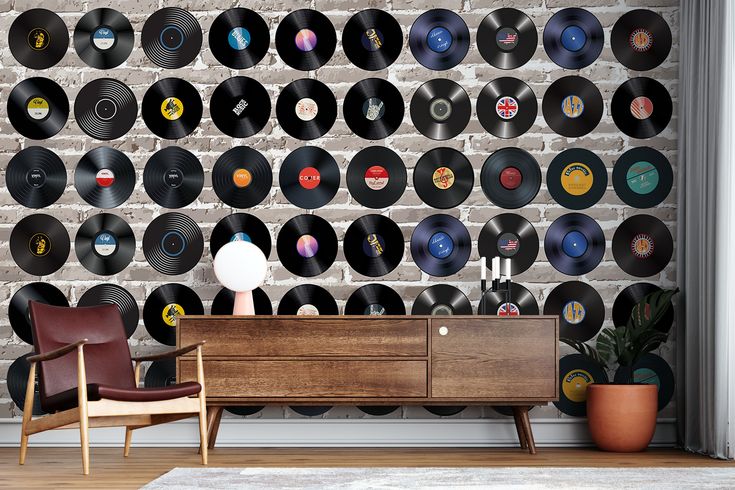
While vinyl is often positioned as an antidote to digital culture, technology has played a crucial role in its revival. Online platforms such as Discogs and eBay have made it easier than ever for collectors to buy and sell rare records, creating a global marketplace for vinyl enthusiasts. Social media has also amplified the vinyl trend, with influencers and celebrities showcasing their collections and unboxing new releases. Platforms like Instagram and TikTok have turned vinyl into a visual spectacle, with vibrant album covers and aesthetically pleasing setups generating millions of views.
Moreover, many modern turntables now feature built-in USB ports or Bluetooth connectivity, allowing users to digitize their records or stream them wirelessly to speakers and headphones. This integration of analog and digital technologies appeals to tech-savvy consumers who want the best of both worlds. Some streaming services, such as Spotify and Apple Music, have also embraced vinyl culture by creating curated playlists inspired by classic albums or featuring exclusive vinyl-only content. These collaborations bridge the gap between old and new, ensuring that vinyl remains relevant in an increasingly digital landscape.
The Cultural Significance of Vinyl as an Artistic Medium
Beyond its commercial success, vinyl holds immense cultural significance as an artistic medium. The large album cover serves as a canvas for visual artists, photographers, and designers, allowing them to complement the music with striking imagery. Many iconic album covers, such as The Beatles’ “Sgt. Pepper’s Lonely Hearts Club Band” and Pink Floyd’s “The Dark Side of the Moon,” are as celebrated as the music itself, becoming enduring symbols of popular culture. Vinyl also provides space for extensive liner notes, lyrics, and credits, offering listeners a deeper understanding of the creative process behind the music.
The physicality of vinyl also influences the way music is produced and consumed. Artists often consider the limitations and possibilities of the format when creating their albums, designing tracklists that flow seamlessly from one side to the next. This attention to sequencing encourages listeners to engage with the album as a cohesive work rather than a collection of individual songs. In contrast, streaming platforms often prioritize singles and playlists, fragmenting the listening experience. Vinyl, therefore, champions the album as an art form, preserving a tradition that has shaped the evolution of popular music.
The Ritual and Sensory Experience of Listening to Vinyl
One of the most compelling aspects of the vinyl revival is the ritualistic nature of the listening experience. Unlike digital music, which can be accessed with a simple tap or click, playing a vinyl record involves a series of deliberate actions: selecting the record, removing it from its sleeve, cleaning it, placing it on the turntable, and carefully positioning the stylus. Each step requires attention and care, transforming the act of listening into a mindful practice.
This ritual is accompanied by sensory elements that enhance the overall experience. The warmth and crackle of the needle on the grooves, the faint hiss of analog sound, and the subtle imperfections of the recording all contribute to vinyl’s unique character. Audiophiles often describe vinyl as having a “warmer” or “richer” sound compared to digital formats, although this perception is subjective and debated among experts. For many, these sonic characteristics evoke a sense of authenticity and intimacy, making the music feel more alive and present.
The Impact on Artist-Fan Relationships and Community Building
The vinyl revival has also strengthened the relationship between artists and their fans. Limited-edition pressings, colored vinyl, and exclusive releases create a sense of urgency and collectibility, encouraging fans to support their favorite artists directly. Many musicians have embraced vinyl as a way to connect with their audience on a deeper level, offering personalized messages, signed copies, or bonus content that cannot be found elsewhere.
Record stores, in turn, have become vital spaces for community building. They host events such as in-store performances, album release parties, and listening sessions, bringing together people who share a passion for music. These gatherings foster a sense of belonging and camaraderie, reminiscent of the communal spirit that characterized the golden age of vinyl. In a world where digital interactions often feel impersonal, these physical spaces provide a welcome antidote, reminding us of the power of shared experiences.
Environmental and Ethical Considerations in Vinyl Production
Despite its cultural and economic benefits, the vinyl industry faces significant environmental challenges. The production of vinyl records involves the use of PVC, a petroleum-based plastic that is energy-intensive to manufacture and difficult to recycle. Additionally, the pressing process generates waste and emissions, contributing to the industry’s carbon footprint. As consumers become increasingly conscious of environmental issues, there is growing pressure on manufacturers to adopt sustainable practices.
In response, some companies are exploring innovative solutions. For instance, several pressing plants have begun using recycled PVC or bio-based materials to reduce their environmental impact. Others are investing in energy-efficient equipment and offsetting their carbon emissions through reforestation projects. Additionally, there is a growing market for “green” vinyl, which appeals to eco-conscious consumers who want to enjoy the format without compromising their values.
A Comparative Overview of Music Formats
To better understand the unique position of vinyl in the modern music landscape, it is helpful to compare it with other formats. Below is a detailed comparison of vinyl, CDs, and streaming services, highlighting their respective advantages and limitations:
A. Vinyl Records
-
Sound Quality: Analog warmth with subtle imperfections; prized by audiophiles for its depth and character.
-
Physical Experience: Tangible and ritualistic; involves handling, cleaning, and careful playback.
-
Artwork and Packaging: Large covers allow for intricate visuals and liner notes.
-
Portability: Bulky and fragile; not ideal for on-the-go listening.
-
Cost: Relatively expensive, with prices ranging from $20 to over $100 for special editions.
-
Durability: Prone to wear and tear; requires proper storage and maintenance.
-
Collectibility: High; limited editions and rare pressings are highly sought after.
-
Environmental Impact: Significant; relies on non-biodegradable PVC and energy-intensive production.
B. Compact Discs (CDs)
-
Sound Quality: Digital clarity with consistent playback; less susceptible to surface noise.
-
Physical Experience: Less ritualistic but still tangible; involves inserting the disc into a player.
-
Artwork and Packaging: Smaller covers with limited space for visuals and text.
-
Portability: Compact and durable; suitable for cars and portable players.
-
Cost: Affordable, often priced between $10 and $20.
-
Durability: Resistant to scratches and wear; longer lifespan than vinyl.
-
Collectibility: Moderate; some collectors value rare or out-of-print albums.
-
Environmental Impact: Lower than vinyl but still involves plastic and packaging waste.
C. Streaming Services
-
Sound Quality: Varies by platform and connection; offers high-resolution options for premium subscribers.
-
Physical Experience: Intangible; requires a device and internet connection.
-
Artwork and Packaging: Minimal; digital thumbnails and metadata only.
-
Portability: Extremely portable; accessible on smartphones, tablets, and computers.
-
Cost: Subscription-based; typically $10–$15 per month for unlimited access.
-
Durability: Not applicable; reliant on servers and internet infrastructure.
-
Collectibility: None; music is licensed, not owned.
-
Environmental Impact: Indirect; involves data centers and energy consumption.
The Future of Vinyl in a Digital World
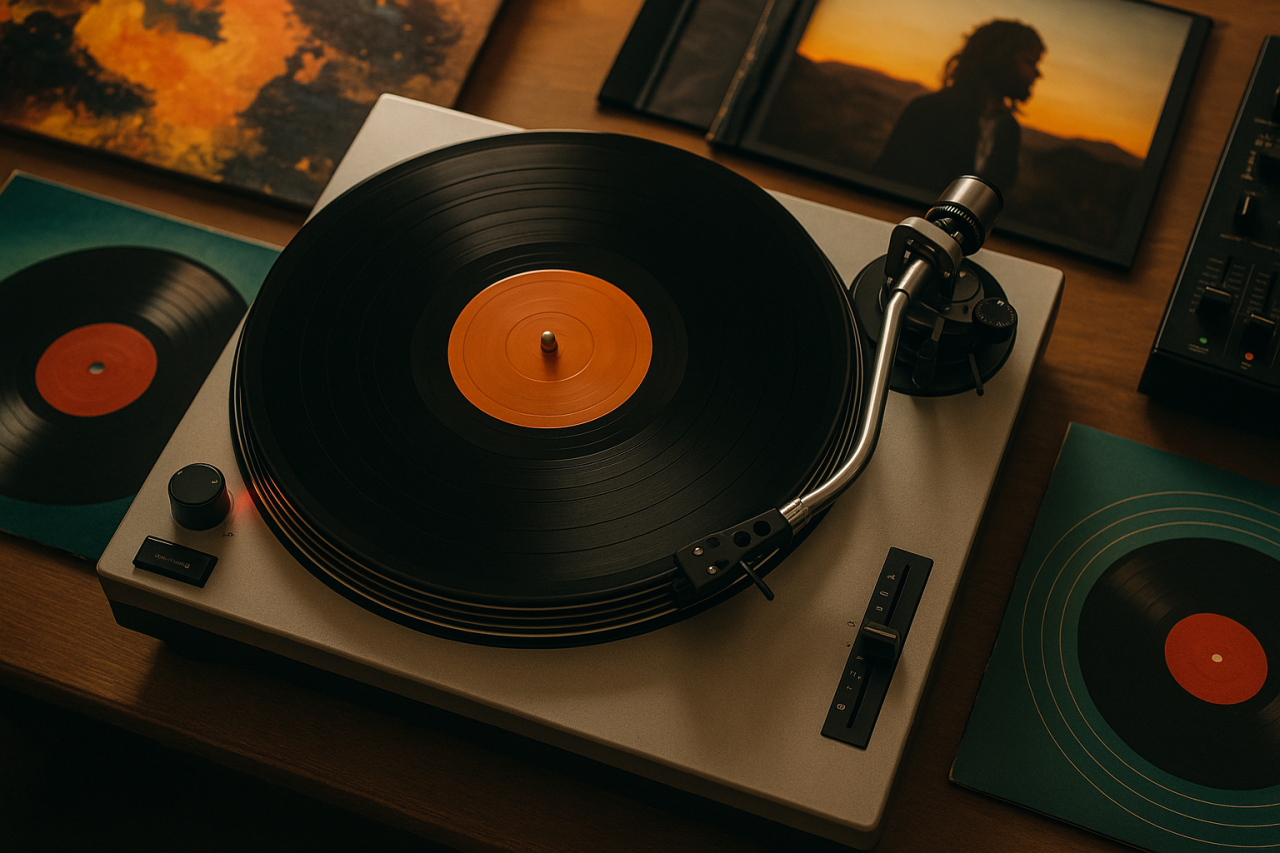
As we look to the future, the vinyl revival shows no signs of abating. Industry analysts predict continued growth, driven by evolving consumer preferences and innovative marketing strategies. However, the format’s long-term sustainability will depend on addressing the environmental and economic challenges it faces. Advances in sustainable materials, coupled with increased consumer awareness, could pave the way for a greener vinyl industry.
At the same time, vinyl’s cultural relevance will likely endure, as it offers something that digital formats cannot: a tangible connection to music and its history. For younger generations, vinyl represents a rebellion against the ephemeral nature of streaming, a way to reclaim ownership and intentionality in their listening habits. For older generations, it is a cherished link to the past, a reminder of the enduring power of analog sound.
Ultimately, the vinyl revival is more than a passing trend; it is a testament to the timeless appeal of music as a physical and emotional experience. By embracing both innovation and tradition, the industry can ensure that vinyl remains a vibrant and meaningful part of our cultural landscape for years to come.