As global temperatures continue to rise at an alarming rate, the traditional summer vacation is undergoing a dramatic transformation. The era of sun-scorched beach holidays and sweat-drenched sightseeing tours is gradually giving way to a more innovative, sustainable, and refreshing approach to travel. Welcome to the world of “coolcations” a revolutionary travel trend that combines the desperate need to escape oppressive heat with an equally urgent commitment to environmental responsibility. This comprehensive guide will explore every facet of climate-conscious coolcations, from their growing popularity to practical tips for planning your own eco-friendly retreat to cooler destinations.
Understanding the Coolcation Phenomenon
The term “coolcation” represents a clever fusion of “cool” and “vacation,” but its meaning runs much deeper than a simple play on words. This emerging travel trend reflects a fundamental shift in how modern travelers approach their leisure time, particularly during the sweltering summer months. Unlike traditional holidays that often chase the sun, coolcations deliberately seek out destinations with naturally lower temperatures, whether that means heading to higher altitudes, venturing to polar regions, or exploring temperate climates during their most pleasant seasons.
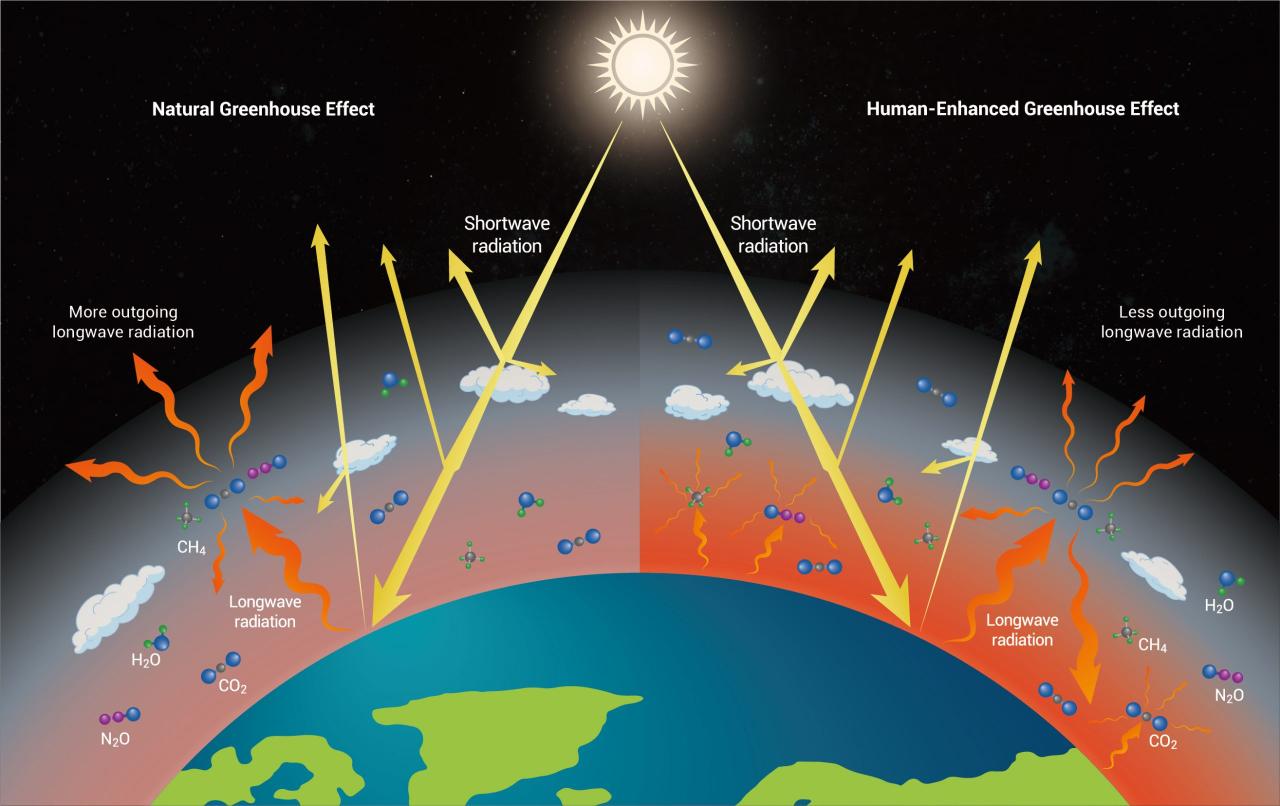
The rise of coolcations coincides with a growing awareness of climate change and its tangible effects on our daily lives. Record-breaking heatwaves have become increasingly common across Europe, North America, and Asia, making traditional Mediterranean beach vacations not just uncomfortable but potentially dangerous. Simultaneously, travelers have become more conscious of their carbon footprint, recognizing that air travel and energy-intensive resort stays contribute significantly to the very problem they seek to escape.
The Environmental Imperative
Climate-conscious coolcations represent more than just a personal preference for milder weather; they embody a philosophical approach to travel that prioritizes planetary health alongside personal enjoyment. This dual focus creates a unique travel experience that satisfies both the wanderlust in our hearts and the environmental concerns in our minds. By choosing destinations that naturally maintain cooler temperatures, travelers reduce their reliance on energy-guzzling air conditioning systems, which account for approximately 10% of global electricity consumption and produce nearly 1.95 billion tons of carbon dioxide annually.
Furthermore, climate-conscious coolcations often involve traveling during shoulder seasons or to less crowded destinations, which helps alleviate overtourism pressures on popular hotspots. This strategic approach to timing and destination selection not only provides a more authentic experience but also distributes economic benefits more evenly across communities that might otherwise be overlooked by mass tourism.
The Science Behind Cooler Destinations
Understanding why certain destinations remain cool while others swelter involves appreciating several fundamental geographical and meteorological principles. Altitude plays a crucial role, with temperatures typically dropping approximately 6.5°C for every 1,000 meters of elevation gain. This explains why mountain resorts in the Swiss Alps or the Rocky Mountains remain refreshingly cool even during peak summer months when valley temperatures soar into the thirties.
Proximity to large bodies of water also significantly influences local climate patterns. Coastal regions benefit from maritime moderation, where water’s high heat capacity prevents extreme temperature fluctuations. Destinations like Scandinavia’s fjords, the Pacific Northwest, or the British Isles maintain relatively stable, mild temperatures throughout the summer season. Ocean currents further modify these patterns, with cold currents like the California Current or the Benguela Current creating cooler coastal conditions that travelers can enjoy.
Polar regions represent the ultimate coolcation destination, offering unique experiences like the midnight sun or breathtaking aurora displays. However, these fragile ecosystems require the most careful consideration regarding sustainable travel practices. The Arctic and Antarctic regions are experiencing the most rapid warming on Earth, making responsible tourism in these areas particularly critical.
Top Climate-Conscious Coolcation Destinations
Scandinavian Sanctuaries
Norway, Sweden, and Denmark have emerged as pioneers in sustainable tourism while offering spectacular coolcation opportunities. The Scandinavian summer, with its long daylight hours and temperatures averaging between 15°C and 22°C, provides the perfect backdrop for outdoor adventures without overheating. Norway’s fjords, Sweden’s archipelagos, and Denmark’s coastal towns offer diverse experiences ranging from hiking and kayaking to cultural exploration.
What makes Scandinavia particularly appealing for climate-conscious travelers is its commitment to renewable energy and sustainable infrastructure. Sweden, for instance, generates over 50% of its electricity from renewable sources, with wind and hydroelectric power leading the way. Many hotels in the region have achieved Green Key or Nordic Swan certification, ensuring that your stay aligns with environmental values. The region’s extensive public transportation networks, including electric ferries and high-speed trains, allow visitors to explore without contributing excessive carbon emissions.
The Alpine Alternatives
Switzerland, Austria, and northern Italy’s Dolomites offer spectacular coolcation experiences at elevations between 1,000 and 2,500 meters. These mountain destinations maintain comfortable temperatures throughout summer while providing breathtaking scenery and countless outdoor activities. The Alpine region has invested heavily in sustainable tourism infrastructure, including cable cars powered by renewable energy and extensive networks of hiking trails that allow visitors to explore without motorized transport.
The Swiss Alps exemplify climate-conscious coolcation with their “Swisstainable” certification program, which rates accommodations and activities based on their environmental performance. Visitors can enjoy glacier hiking, mountain biking, or simply relaxing in alpine meadows while knowing their tourism dollars support communities dedicated to preserving their natural heritage. Many Alpine destinations have also implemented car-free policies in their village centers, reducing local air pollution and creating more pedestrian-friendly environments.
The Nordic Nirvana
Iceland and Greenland present unique coolcation opportunities that few other destinations can match. Iceland’s summer temperatures hover around 10°C to 15°C, with the midnight sun providing endless daylight for exploration. The country runs almost entirely on geothermal and hydroelectric energy, making it one of the greenest destinations on Earth. Visitors can explore volcanic landscapes, glacial lagoons, and geothermal hot springs while maintaining a minimal environmental footprint.
Greenland, though more remote and challenging to reach, offers the ultimate coolcation experience with temperatures rarely exceeding 10°C even in July. The vast ice sheet, spectacular fjords, and unique Inuit culture provide unforgettable experiences for adventurous travelers willing to make the journey. However, reaching Greenland requires careful consideration of transportation emissions, with many travelers now choosing to combine their trip with a freighter voyage or extended stay to justify the carbon cost of their journey.
The Mountain Retreats of North America
The Canadian Rockies and the American West offer spectacular coolcation destinations that combine natural beauty with accessible sustainability practices. Banff and Jasper National Parks in Canada maintain comfortable summer temperatures while offering world-class hiking, wildlife viewing, and outdoor recreation. Both parks have implemented robust sustainability programs, including wildlife corridors, waste reduction initiatives, and visitor education about environmental stewardship.
In the United States, destinations like Colorado’s Aspen, Montana’s Glacier National Park, and Wyoming’s Grand Teton provide similar coolcation opportunities. These regions have seen a surge in eco-lodges and sustainable accommodations that minimize environmental impact while maximizing guest comfort. Many properties now incorporate passive cooling designs, solar panels, and water conservation systems that align perfectly with the climate-conscious traveler’s values.
Planning Your Climate-Conscious Coolcation
Transportation Considerations
The journey to your coolcation destination represents the single largest contributor to your trip’s carbon footprint. For many travelers, particularly those in Europe, train travel offers an excellent alternative to flying. European rail networks connect major cities to alpine destinations with impressive efficiency, and night trains provide the added benefit of saving on accommodation costs while reducing emissions by up to 90% compared to flying.
When air travel remains unavoidable, consider choosing airlines that operate newer, more fuel-efficient aircraft and that offer carbon offset programs. Direct flights generally produce fewer emissions than connecting flights, as takeoff and landing consume the most fuel. Additionally, traveling economy rather than business or first class reduces your per-person carbon footprint, as premium seats occupy more space and thus allocate more emissions per passenger.
Accommodation Selection
Choosing where to stay during your coolcation requires careful consideration of environmental practices. Look for properties with recognized certifications such as LEED, BREEAM, Green Globe, or EarthCheck. These certifications indicate that the property meets specific standards for energy efficiency, water conservation, waste management, and sustainable operations. Many eco-lodges now feature innovative designs that maintain comfortable temperatures without air conditioning, utilizing natural ventilation, thermal mass, and strategic orientation to the sun.
Consider staying in locally-owned guesthouses or apartments rather than international hotel chains. These accommodations often have lower environmental impacts and provide more authentic experiences while directing tourism dollars directly to local communities. Services like Ecobnb and Green Pearls offer curated selections of sustainable accommodations worldwide.
Packing for Responsibility
What you bring on your coolcation matters more than you might think. Packing light reduces aircraft fuel consumption, while choosing the right clothing can minimize your need for energy-intensive laundry services. Quick-drying, moisture-wicking fabrics allow you to wash clothes less frequently, while versatile layers accommodate changing mountain weather without requiring multiple specialized outfits.
Reusable water bottles, coffee cups, and shopping bags eliminate single-use plastics, which are particularly problematic in fragile environments. Many coolcation destinations have limited recycling facilities, making waste prevention even more critical. Solar-powered chargers and battery packs allow you to power devices without drawing on local electricity grids, which may rely on fossil fuels.
Activities for the Climate-Conscious Traveler

Outdoor Adventures
Coolcation destinations offer countless activities that connect travelers with nature while maintaining minimal environmental impact. Hiking remains the quintessential coolcation activity, providing exercise, fresh air, and stunning vistas without consuming resources. Many mountain regions maintain extensive trail networks with varying difficulty levels, ensuring options for all fitness levels and ages.
Kayaking and canoeing provide low-impact ways to explore lakes and coastal areas, while cycling allows visitors to cover more ground than hiking while still maintaining a small carbon footprint. Many coolcation destinations have invested in electric bike rental programs, making hilly terrain accessible to a broader range of travelers while still providing an active experience.
Cultural Engagement
Climate-conscious coolcations offer unique opportunities to engage with local cultures that have developed sustainable lifestyles adapted to their environments. Indigenous communities in northern regions maintain traditional knowledge about living in harmony with nature, and many offer educational experiences for visitors. The Sámi people of Scandinavia, the Inuit of Greenland, and various First Nations groups in Canada provide insights into sustainable living that travelers can apply in their daily lives.
Visiting local museums, attending cultural events, and supporting local artisans helps preserve traditional crafts and knowledge while providing economic benefits to communities. These experiences create deeper connections than typical tourist activities and foster appreciation for different ways of life.
Sustainable Dining and Cuisine
Food choices represent another significant opportunity for climate-conscious coolcation travelers. Mountain and northern regions often feature distinctive local cuisines that emphasize seasonal, locally-sourced ingredients. Wild berries, mushrooms, and game meat feature prominently in many traditional dishes, connecting diners directly to the landscape.
Supporting restaurants that prioritize local sourcing reduces the carbon footprint associated with food transportation while supporting regional agriculture. Many coolcation destinations have developed strong farm-to-table movements, with chefs creating innovative dishes from local ingredients. Foraging experiences, when led by knowledgeable guides, provide educational opportunities and deepen appreciation for local ecosystems.
Overcoming Challenges and Criticisms
Addressing the Hypocrisy Question
Critics often point out that traveling to cool destinations still contributes to climate change, potentially making coolcations hypocritical. However, this argument overlooks the nuances of sustainable travel. When travelers choose destinations and methods that minimize environmental impact while maximizing cultural and educational benefits, they create positive incentives for sustainable development. Tourism can provide economic alternatives to environmentally destructive industries like logging or mining, giving communities reason to protect natural resources.
The Equity Consideration
Climate-conscious coolcations raise important questions about equity and access. Many popular coolcation destinations in Scandinavia, the Alps, or North America are expensive, potentially limiting participation to wealthier travelers. However, this challenge has sparked innovation in sustainable tourism, with some destinations developing affordable eco-accommodations and public transportation options that make coolcations more accessible.
The Future of Climate-Conscious Travel
The coolcation trend represents just one facet of a broader transformation in global travel. As climate change continues to reshape weather patterns and traveler preferences, we can expect continued innovation in sustainable tourism. Some destinations are already implementing visitor caps and reservation systems to manage visitor numbers, ensuring that tourism doesn’t overwhelm fragile ecosystems.
Emerging technologies promise to further reduce travel’s environmental impact. Electric aircraft development continues to advance, with several companies targeting commercial service within the decade. Improved battery technology will make electric rental cars and boats more practical in remote destinations, while virtual reality may eventually offer immersive travel experiences for those unable to make physical journeys.
Practical Tips for Your Coolcation
A. Research destination-specific weather patterns thoroughly before booking, understanding that mountain weather can be unpredictable regardless of the season.
B. Book accommodations with verifiable sustainability certifications, checking their specific environmental practices rather than assuming certification guarantees complete sustainability.
C. Choose ground transportation whenever possible, prioritizing trains, electric buses, and shared shuttles over rental cars or taxis.
D. Pack versatile clothing that layers easily, reducing the need for multiple outfits while accommodating changing mountain temperatures.
E. Support local economies by eating at local restaurants, purchasing locally-made souvenirs, and booking tours with local guides rather than international operators.
F. Practice Leave No Trace principles, packing out all waste and avoiding any disturbance to natural habitats.
G. Participate in citizen science programs when available, contributing to research on climate change impacts in the regions you visit.
H. Extend your stay when traveling long distances, allowing you to justify the carbon cost of your journey while experiencing destinations more deeply.
I. Share your experiences responsibly, emphasizing environmental awareness and sustainable practices rather than merely showcasing beautiful locations.
J. Calculate and offset remaining carbon emissions through verified offset programs that fund renewable energy projects or reforestation efforts.
Conclusion
Climate-conscious coolcations represent a meaningful evolution in how we approach travel, one that acknowledges our responsibility to the planet while still celebrating the joy of exploration and discovery. By choosing destinations that naturally remain cooler, traveling more sustainably, and engaging thoughtfully with local communities and environments, travelers can experience the world without compromising its future.
The coolcation movement offers hope that tourism can be part of the solution to climate change rather than just another contributor to the problem. As more travelers embrace this approach, they create market pressure for sustainable development, encourage innovation in green technology, and foster cross-cultural understanding that transcends borders.
Whether you choose the majestic fjords of Norway, the alpine meadows of Switzerland, the pristine wilderness of the Canadian Rockies, or any number of other cool destinations, remember that your choices matter. Every sustainable decision you make during your coolcation from transportation selection to waste management to local engagement contributes to a broader shift toward responsible travel.
The world is warming, but our approach to travel can cool that impact. Climate-conscious coolcations offer a path forward, one where adventure and responsibility walk hand in hand, and where our travels leave positive footprints on both the places we visit and the communities we encounter.