

In the age of viral social media trends, where the pursuit of quick fixes often overrides common sense, a disturbing new fad has emerged. Content creators on platforms like TikTok and Instagram, driven by the relentless pursuit of engagement, have popularized a shocking and hazardous idea: intentionally contracting a parasitic infection to lose weight . The parasite in question is Cyclospora cayetanensis, the cause of the intestinal illness cyclosporiasis. Videos depicting individuals consuming large quantities of fresh produce in the hopes of developing “explosive diarrhea” to shed pounds have garnered millions of views, framing a serious public health crisis as a satirical diet hack .
This is not a harmless joke. This trend dangerously trivializes a debilitating illness that has swept across the United States, causing thousands of confirmed cases and hospitalizations. The medical community is sounding the alarm: cyclosporiasis is not a weight loss strategy, and the “weight” lost is a sign of severe illness, not a step toward health. This article aims to dissect the reality of cyclosporiasis, explain why it is a catastrophic approach to weight management, and provide a comprehensive understanding of the risks, realities, and proper management of this parasitic infection.
Understanding Cyclosporiasis: A Parasitic Threat
What Is Cyclospora?
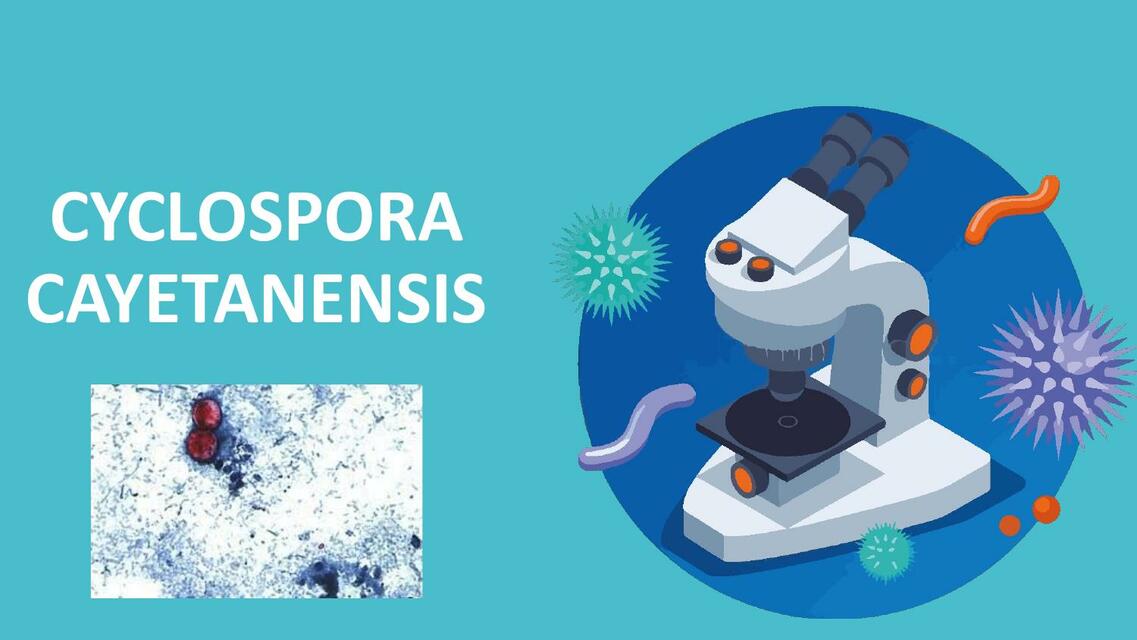
Cyclosporiasis is an intestinal illness caused by the microscopic parasite Cyclospora cayetanensis . This single-celled organism is a coccidian parasite, meaning it infects the cells of the small intestine, leading to a cascade of debilitating symptoms . Unlike common bacteria or viruses, Cyclospora is a parasite with a complex life cycle that makes it particularly resilient and difficult to trace.
How Does the Infection Spread?
The primary mode of transmission is the fecal-oral route, but with a crucial caveat. A person becomes infected by ingesting food or water contaminated with feces containing the parasite . However, Cyclospora is not immediately infectious when passed in a bowel movement. The parasite is shed as unsporulated oocysts (egg-like structures), which require a period of one to two weeks in the environment specifically in warm, favorable conditions to mature, or sporulate, into their infectious form . This environmental requirement is the reason why direct person-to-person transmission is considered unlikely .
Foodborne outbreaks are the most common source of infection in the U.S., and they are frequently linked to imported fresh produce . The parasite can contaminate crops through several avenues:
-
Irrigation Water: Agricultural water contaminated with human feces can spread oocysts to crops.
-
Sanitation Failures: A lack of adequate bathroom facilities and handwashing stations for farm workers can lead to contamination of fields .
-
Processing Plants: The centralized processing and mixing of produce from many small farms can create a single point of contamination that rapidly spreads a product nationwide .
Because the parasite can survive in soil and water for weeks or even months, and standard chemical disinfectants like chlorine used in industrial processing have little to no effect on it, preventing contamination is extremely challenging . The only reliable way to kill the parasite is through heat, such as cooking food to an internal temperature of 158°F (70°C), a method not suitable for salad greens, herbs, and berries that are often consumed raw .
The Clinical Picture: Symptoms, Severity, and Duration
The Hallmark Symptom: Diarrhea
The most common and characteristic symptom of cyclosporiasis is profuse, watery diarrhea . This is not a mild case of indigestion. Patients often experience frequent, sometimes explosive, bowel movements, with some reports of up to 20 episodes per day . The diarrhea can be foul-smelling and is typically non-bloody .
Other Debilitating Symptoms
The illness is not limited to gastrointestinal distress. It is a systemic infection that can cause a range of other symptoms, which may include:
-
Loss of Appetite and Anorexia: A significant decrease in the desire to eat, which contributes to weight loss .
-
Abdominal Cramping, Bloating, and Gas: Painful cramping and a feeling of fullness or swelling in the abdomen are common .
-
Nausea and Vomiting: Feelings of sickness and, less commonly, vomiting can occur .
-
Fatigue and Flu-like Symptoms: Profound exhaustion, body aches, headaches, and a low-grade fever are also reported .
-
Weight Loss: Significant and often rapid weight loss is a symptom, directly linked to the loss of water, electrolytes, and nutrients from the body .
The Relapsing and Protracted Nature of the Illness
One of the most challenging aspects of cyclosporiasis is its tendency to relapse. Even without treatment, symptoms may subside, leading a person to believe they have recovered, only to return a week or more later . If left untreated, the illness can persist for a few days to over a month, sometimes even longer . Dr. David Kahana, a board-certified gastroenterologist, noted that the recovery can be “quite protracted,” making it a long and arduous ordeal for those infected .
The “Weight Loss” Myth: Dehydration, Not Diet
Why the Scale Drops
The viral social media trend focuses on the weight loss associated with the illness. However, medical experts are unequivocal: the weight lost during a Cyclospora infection is not a result of fat burning or a healthy metabolic shift. It is primarily due to severe dehydration and the loss of critical electrolytes . When a person experiences explosive diarrhea, the body is rapidly flushed of water and essential salts like sodium and potassium. The resulting drop in weight is a direct measure of fluid loss, not fat loss.
As Dr. Ekta Gupta, chief of gastroenterology at the University of Maryland Medical Center Midtown Campus, emphasized, “Some people may overlook symptoms because they may think they can lose another three extra pounds if this infection continues… and what they overlook is that it’s causing malabsorption and can cause more long-term health-related issues” .
A Guarantee of Rebound
This type of weight loss is not only dangerous but also entirely temporary. Once a person recovers from the infection and resumes a normal diet and hydration, their weight will return to its baseline . There is no lasting metabolic benefit. As Dr. Kahana stated, “True weight loss takes time and prolonged dietary efforts. It’s not something that’s going to be achieved quickly” . Pursuing a severe illness as a weight-loss method is a recipe for disaster, leading to malnutrition, a weakened immune system, and organ stress, with no sustainable results.
The Complications: A High Price to Pay
Downplaying the severity of cyclosporiasis ignores the serious, and sometimes life-threatening, complications that can arise.
Dehydration and Electrolyte Imbalance
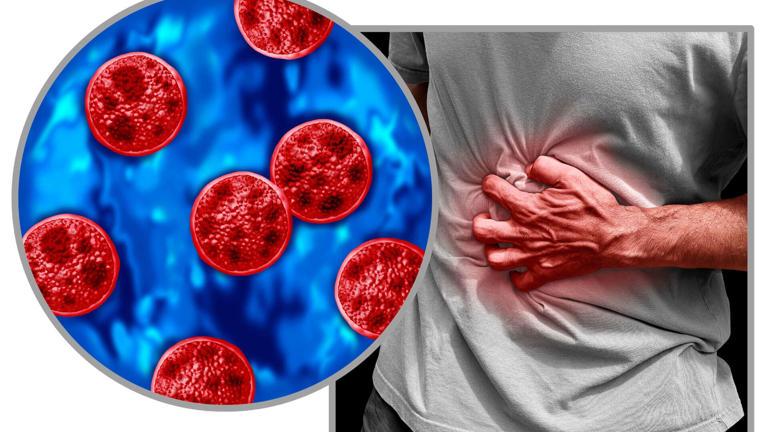
The most immediate and significant risk from cyclosporiasis is dehydration, which can be especially dangerous for older adults, young children, and those with weakened immune systems . The body’s loss of water and electrolytes can lead to dizziness, lightheadedness, a racing heart, and low blood pressure . In severe cases, this can progress to kidney damage and require hospitalization for intravenous fluid replacement .
Malabsorption and Nutrient Deficiencies
The parasite infects and damages the cells lining the small intestine, which is responsible for absorbing nutrients from food. This damage can lead to malabsorption, a condition where the body cannot properly absorb vitamins, minerals, fats, and carbohydrates from the diet . In patients with cyclosporiasis, this manifests as the excretion of fat in the stool and impaired absorption of sugars like d-xylose . Prolonged malabsorption can lead to serious nutritional deficiencies, chronic fatigue, and long-term health issues even after the infection has been cleared .
Other Rare But Serious Complications
While less common, other complications have been reported:
-
Reactive Arthritis: An inflammatory condition that can cause joint pain and swelling, often appearing after an infection .
-
Cholecystitis: Inflammation of the gallbladder, which can cause severe abdominal pain and fever .
-
Ascending Biliary Tract Disease: A serious complication primarily seen in immunocompromised patients, where the infection affects the bile ducts .
Diagnosis, Treatment, and Management
Seeking Medical Care
If a person experiences persistent diarrhea, especially if it lasts for more than a few days, is accompanied by a fever, or shows signs of dehydration, it is crucial to seek medical attention . Because testing for Cyclospora is not routine in most U.S. laboratories, patients should specifically ask their healthcare provider for a stool test to check for the parasite .
The Importance of Proper Treatment
The primary and most effective treatment for cyclosporiasis is the antibiotic trimethoprim-sulfamethoxazole (TMP-SMX), commonly sold as Bactrim, Septra, or Cotrim . The standard regimen for immunocompetent adults is a 7- to 10-day course of one double-strength tablet twice a day . For individuals who are immunocompromised, a longer course may be necessary . It is critical for patients allergic to sulfa drugs to inform their healthcare provider, as alternative options may exist . While many healthy individuals will eventually recover without treatment, the illness can be prolonged and relapsing, and antibiotics are recommended to shorten the duration of symptoms and prevent complications .
The Danger of Over-the-Counter Medications
During an episode of diarrhea, there is a temptation to reach for over-the-counter anti-diarrheal medications like loperamide (Imodium). However, Dr. Scott Roberts, an infectious diseases specialist at Yale Medicine, advises caution. These medications slow down the movement of the intestines, which can trap the parasite or other pathogens in the gut for a longer period, potentially prolonging the illness. If a patient has a fever, which is a sign of an infection, they should consult a healthcare provider before taking these medications .
Hydration and Recovery
For most patients, managing dehydration is a critical component of recovery. Rehydrating with solutions containing sodium, potassium, and sugar, such as oral rehydration solutions, Pedialyte, or sports drinks, is more effective than water alone. As Dr. Kahana noted, “rehydrating with an oral rehydration solution that contains both sodium, potassium, and sugar will help resolve the explosive diarrhea and maintain proper hydration” . Gradual reintroduction of a normal diet, as tolerated, is also recommended to replenish lost nutrients and energy .
Prevention: Protecting Yourself from a Dangerous Fad
Given the severity of the illness and the fact that many outbreaks occur in the summer months, prevention is paramount . The best ways to protect oneself from cyclosporiasis include:
A. Food Safety Handling: Wash fresh fruits and vegetables thoroughly under running water before eating, cooking, or cutting. However, keep in mind that washing may not completely eliminate the risk if the contamination is internalized within the produce . Peeling fruits and vegetables that you can, and removing the outer leaves of lettuce, can also help reduce risk .
B. Proper Handwashing: Wash hands with soap and water before preparing food, before eating, and after using the bathroom. This simple practice is a cornerstone of food safety .
C. Cooking Food Thoroughly: Since heat is the only reliable method to kill the parasite, cooking food to an internal temperature of 158°F is the most effective prevention . This is especially important for high-risk foods.
D. Travel Precautions: When traveling to tropical or subtropical regions where the parasite is endemic (such as parts of Central and South America, Southeast Asia, and Africa), take extra precautions . This includes:
-
Only drinking bottled, boiled, or purified water.
-
Avoiding ice in drinks.
-
Not eating raw fruits, salads, or vegetables that may have been washed in contaminated water.
-
Only eating fruit that you can peel yourself .
E. Choosing Local Produce: For those concerned about large multistate outbreaks, which are often linked to centralized processing and distribution, choosing locally grown produce may carry a lower risk .
Conclusion: A Crisis, Not a Convenience
The “Cyclospora Diet” is not a diet at all. It is a hazardous illness that has caused a record-breaking public health crisis in the United States . With over 4,000 laboratory-confirmed cases and thousands more suspected, the outbreak is a clear indicator of vulnerabilities in the nation’s food safety system . The trend of using this parasite for weight loss is a dangerous misunderstanding of a severe medical condition.
The “weight” lost is a frightening sign of dehydration, malnutrition, and a body fighting a parasitic invasion. It is a guaranteed path to rebound weight gain and carries significant risks of serious complications like organ damage, nutrient deficiencies, and prolonged suffering .
Health experts like Dr. Ekta Gupta urge the public to take this health crisis seriously and not be swayed by satirical social media content . The solution to sustainable weight management is not a parasitic infection but a commitment to healthy eating, regular physical activity, and informed lifestyle changes. Downplaying the severity of cyclosporiasis is not only irresponsible but can lead to devastating health outcomes. It is a crisis, not a convenience, and it demands a serious, informed public health response.