

The culinary world is witnessing a remarkable shift as cabbage, the once-overlooked leafy green, stages a triumphant comeback. While cauliflower has dominated food trends for the past several years, appearing in everything from pizza crusts to rice substitutes, a new champion has emerged from the produce aisle. This unexpected revolution has been dubbed the “cabbage crush,” and it represents more than just a fleeting dietary fad. The cabbage crush phenomenon reflects changing consumer preferences, sustainability concerns, and a renewed appreciation for traditional vegetables that offer exceptional nutritional value at affordable prices. As food enthusiasts, nutritionists, and home cooks alike embrace this versatile vegetable, cabbage is reclaiming its rightful place at the center of our plates. This comprehensive exploration delves into why cabbage has displaced cauliflower, examining the nutritional comparisons, culinary applications, economic factors, and cultural significance that have propelled this humble vegetable to stardom.
The Nutritional Face-Off: Cabbage Versus Cauliflower
Understanding the Nutritional Profiles
When examining the nutritional content of these two cruciferous vegetables, both offer impressive health benefits, but cabbage presents some distinct advantages that have contributed to its rising popularity. Cabbage contains significantly more vitamin C than cauliflower, with green cabbage providing approximately 54% of the daily recommended value per cup, compared to cauliflower’s 46%. Furthermore, cabbage offers superior amounts of vitamin K, providing 85% of the daily requirement versus cauliflower’s 20%. The fiber content in cabbage is also noteworthy, with 2.2 grams per cup compared to cauliflower’s 2 grams, supporting digestive health and promoting feelings of satiety.
Antioxidant Power and Phytonutrients
The antioxidant profiles of these vegetables tell an interesting story. Cabbage, particularly the red and purple varieties, contains anthocyanins, powerful antioxidants that give these vegetables their vibrant colors and offer protective benefits against cellular damage. These compounds have been linked to reduced inflammation and improved heart health. Cauliflower, while containing glucosinolates and isothiocyanates, lacks the anthocyanin content found in pigmented cabbage varieties. The presence of these additional antioxidants in cabbage provides a more diverse range of protective compounds, contributing to its status as a nutritional powerhouse.
Mineral Content Comparison
Mineral composition further distinguishes these vegetables. Cabbage provides more calcium, iron, and potassium than cauliflower, making it particularly valuable for bone health, oxygen transport, and blood pressure regulation. A cup of raw cabbage contains approximately 36 milligrams of calcium, while cauliflower provides only 22 milligrams. Similarly, cabbage offers 0.47 milligrams of iron compared to cauliflower’s 0.42 milligrams. These differences, while seemingly small, accumulate over regular consumption and contribute to cabbage’s growing reputation as a nutrient-dense food choice.
Economic Factors Driving the Cabbage Crush
Affordability and Accessibility
One of the most compelling reasons for cabbage’s rise is its exceptional affordability. Cabbage typically costs significantly less than cauliflower, often selling for half the price or less per pound. This price differential has become increasingly important as consumers face rising food costs and seek budget-friendly nutritious options. The average price of cabbage remains relatively stable throughout the year, while cauliflower prices can fluctuate dramatically based on seasonal availability and weather conditions affecting harvests. This economic stability makes cabbage an attractive option for families, meal planners, and budget-conscious consumers who refuse to compromise on nutrition.
Storage Longevity and Reduced Waste
Cabbage demonstrates remarkable storage capabilities, remaining fresh for weeks or even months when properly stored. This extended shelf life reduces food waste and allows consumers to purchase cabbage in larger quantities without concern for rapid spoilage. In contrast, cauliflower typically maintains its quality for only a few days to a week at most, requiring more frequent shopping trips and potentially leading to more waste. The practical advantages of cabbage storage have resonated with consumers increasingly focused on reducing their environmental footprint and maximizing their food budgets.
Year-Round Availability
Unlike cauliflower, which often experiences seasonal availability challenges, cabbage can be found consistently throughout the year in most markets. This reliable availability ensures that consumers can incorporate cabbage into their diets regardless of season, making it a dependable staple rather than a seasonal treat. The consistent supply also contributes to price stability, further reinforcing cabbage’s position as an economical choice for households seeking nutritious vegetables without breaking the bank.
Culinary Versatility: Why Chefs and Home Cooks Love Cabbage
Raw Applications in Salads and Slaws
Cabbage’s crisp texture and ability to absorb flavors make it exceptional in raw preparations. Traditional coleslaws have been elevated with creative dressings and additions, while modern chefs incorporate cabbage into vibrant salads with Asian-inspired vinaigrettes, citrus segments, and toasted nuts. The vegetable’s structural integrity holds up well in these preparations, maintaining its crunch even when dressed hours in advance, making it ideal for meal prep and entertaining. Shredded cabbage also serves as a refreshing base for tacos, sandwiches, and grain bowls, providing a satisfying crunch that complements other ingredients.
Fermented Delicacies
Perhaps one of cabbage’s most celebrated culinary contributions is its role in fermentation. Sauerkraut and kimchi, both made primarily from cabbage, have experienced remarkable popularity surges as consumers rediscover the benefits of fermented foods. These probiotic-rich preparations offer digestive benefits and add complex, tangy flavors to countless dishes. The fermentation process also enhances the bioavailability of certain nutrients, making them more easily absorbed by the body. The growing interest in gut health and traditional preservation methods has further elevated cabbage’s status in modern kitchens.
Cooked Preparations from Around the World
Cabbage demonstrates remarkable adaptability in cooked preparations across global cuisines. Eastern European cuisines have long featured cabbage rolls stuffed with seasoned meat and rice, braised cabbage with apples and caraway seeds, and hearty soups with cabbage as a foundational ingredient. Asian cuisines showcase cabbage in stir-fries, dumpling fillings, and hot pot offerings where the vegetable’s ability to absorb flavors shines. Contemporary Western cooking has embraced roasted cabbage wedges with caramelized edges, grilled cabbage steaks as a vegetarian main course, and cabbage incorporated into hearty winter stews. This global culinary heritage provides endless inspiration for home cooks seeking to expand their cabbage repertoire.
Innovative Processing Methods
The food processing industry has responded to cabbage’s popularity with creative innovations. Shredded cabbage blends are now available in convenient packaging for quick meal preparation, while dehydrated cabbage flakes serve as a nutritious addition to soups and casseroles. Some companies have even introduced cabbage-based pasta alternatives, following the trend that cauliflower initiated but with improved texture and nutritional profiles. These processed options have made cabbage more accessible to consumers with limited preparation time, further expanding its reach and appeal.
Environmental Sustainability and Agricultural Advantages
Water Efficiency and Resource Conservation
From an environmental perspective, cabbage cultivation offers significant advantages over cauliflower production. Cabbage requires substantially less water to grow, making it a more sustainable choice in regions experiencing water scarcity. The plant’s efficient water usage extends to its cultivation cycle, requiring less irrigation intervention and reducing the overall water footprint of production. This water efficiency has become increasingly important as climate change affects rainfall patterns and agricultural water availability worldwide.
Carbon Footprint and Transportation Considerations
Cabbage’s hardiness and ability to withstand transportation without significant damage reduces food miles and associated carbon emissions. The vegetable can be shipped efficiently without specialized packaging or refrigeration requirements, unlike more delicate vegetables that demand careful handling. Additionally, cabbage’s availability in temperate climates reduces the need for energy-intensive greenhouse production, further lowering its carbon footprint. Consumers increasingly consider these environmental factors when making purchasing decisions, and cabbage’s favorable sustainability profile has contributed to its growing popularity.
Crop Rotation and Soil Health Benefits
Agricultural experts highlight cabbage’s role in sustainable crop rotation systems. As a member of the brassica family, cabbage helps break pest cycles when alternated with other crop families, reducing the need for chemical interventions. The plant’s deep root system also improves soil structure and nutrient cycling, benefiting subsequent crops in rotation. These agricultural advantages have made cabbage an attractive option for farmers seeking sustainable practices, ensuring consistent supply and quality for consumers.
Health Benefits Beyond Basic Nutrition

Digestive Health and Gut Microbiome Support
Cabbage contains substantial amounts of glutamine, an amino acid that supports the health of the digestive tract lining. This compound has been studied for its potential to reduce inflammation in the gastrointestinal system and support healing in conditions like leaky gut syndrome. The fiber content in cabbage also serves as a prebiotic, feeding beneficial gut bacteria and promoting a healthy microbiome. These digestive health benefits have gained recognition as consumers increasingly understand the connection between gut health and overall wellness.
Cancer-Fighting Properties
Research has identified compounds in cabbage that demonstrate potential cancer-fighting properties. The glucosinolates found in cabbage break down into isothiocyanates and indoles, compounds that have been studied for their ability to inhibit tumor growth and support detoxification processes in the body. Regular consumption of cruciferous vegetables, including cabbage, has been associated with reduced risk of certain cancers, including colorectal, lung, and prostate cancers. While cauliflower contains similar compounds, cabbage’s higher concentration of certain protective substances provides enhanced benefits.
Cardiovascular Health and Inflammation Reduction
The anthocyanins present in red cabbage have been specifically linked to cardiovascular health benefits, including improved blood pressure regulation and reduced inflammation. These compounds help protect blood vessels from damage and may reduce the risk of heart disease. Cabbage also contains significant amounts of potassium, which counteracts the effects of sodium and supports healthy blood pressure levels. The anti-inflammatory properties of cabbage’s nutritional compounds contribute to overall heart health and may reduce the risk of chronic diseases associated with systemic inflammation.
Weight Management and Satiety
For individuals focused on weight management, cabbage offers exceptional value. The vegetable’s high water and fiber content creates significant volume with relatively few calories, promoting feelings of fullness and satisfaction. This nutrient density allows individuals to consume larger portions while maintaining caloric control, making cabbage an effective tool for weight management programs. Additionally, the fiber content slows digestion, stabilizing blood sugar levels and reducing between-meal cravings that often derail dietary efforts.
The Cultural Renaissance of Cabbage
Historical Significance and Traditional Wisdom
Cabbage holds a distinguished place in human history, with cultivation dating back thousands of years to ancient civilizations in Europe, Asia, and the Mediterranean. Traditional Chinese medicine has long valued cabbage for its cooling properties and digestive benefits, while European folk remedies employed cabbage poultices for wound healing and inflammation reduction. This historical significance has experienced a revival as modern consumers seek connections to traditional food wisdom and ancestral dietary patterns that emphasize whole, unprocessed foods.
Regional Specialties and Culinary Heritage
Around the world, cabbage features prominently in regional culinary traditions that have sustained communities for generations. Polish bigos, a hunter’s stew featuring cabbage and various meats, represents a cultural touchstone for Polish cuisine. German sauerkraut carries deep cultural significance, having been central to German diets through harsh winters and economic hardships. Japanese okonomiyaki incorporates cabbage as a primary ingredient in savory pancakes that have become beloved street food. These cultural traditions provide rich contexts for modern appreciation of cabbage and inspire innovative culinary interpretations.
Contemporary Food Movements
The cabbage renaissance coincides with several contemporary food movements that have elevated this vegetable to new prominence. The emphasis on nose-to-tail eating and root-to-stem cooking encourages using entire vegetables, and cabbage offers versatility in utilizing both leaves and core. The zero-waste movement has embraced cabbage’s storage capabilities and minimal waste potential. Plant-based eating trends have welcomed cabbage as a satisfying, protein-rich option that can serve as a meat substitute in many applications. These aligning movements have created a perfect environment for cabbage’s resurgence.
How to Incorporate More Cabbage into Your Diet
Simple Substitutions for Familiar Dishes
Transitioning to more cabbage-based meals need not be complicated. Consider these straightforward substitutions:
A. Replace conventional lettuce with shredded cabbage in tacos, sandwiches, and wraps for enhanced crunch and nutritional value.
B. Substitute cabbage for a portion of pasta in casseroles and baked dishes, reducing carbohydrates while increasing vegetable content.
C. Use cabbage leaves as natural wrappers for fillings instead of tortillas, bread, or pastry shells.
D. Incorporate finely chopped cabbage into meatloaf, burger patties, or meatball mixtures to extend the volume while adding moisture and nutrients.
Meal Prep Strategies for Busy Lifestyles
The modern lifestyle demands convenience, and cabbage delivers remarkably well in meal preparation scenarios. Consider these time-saving approaches:
A. Wash and shred an entire head of cabbage at the beginning of the week, storing it in an airtight container with a paper towel to absorb excess moisture, providing ready-to-use cabbage for multiple meals.
B. Prepare large batches of braised cabbage that can be refrigerated and incorporated into various dishes throughout the week.
C. Ferment cabbage in bulk, creating sauerkraut or kimchi that will last for months while developing complex flavors.
D. Roast cabbage wedges in advance and reheat them as needed, maintaining their texture and flavor.
Creative Recipe Ideas for Every Meal
Breakfast innovations include incorporating shredded cabbage into omelets, frittatas, or savory breakfast bowls. The vegetable adds volume and nutrition without overwhelming other flavors. For lunch, cabbage-based salads with creative dressings, proteins, and textures provide satisfying midday meals that maintain energy levels. Dinner possibilities range from cabbage roll casseroles to stir-fries, soups, and roasted preparations. Even desserts have explored cabbage’s potential, with innovative chefs creating cabbage-based cakes and sweet preparations that showcase the vegetable’s surprising versatility.
Addressing Common Concerns About Cabbage
Gas and Digestive Discomfort
Many consumers express concerns about digestive discomfort associated with cabbage consumption. The fermentable carbohydrates in cabbage can cause gas in sensitive individuals, particularly when consumed in large quantities. However, several strategies can minimize this effect. Cooking cabbage thoroughly makes it more digestible, as heat breaks down some of the complex carbohydrates responsible for gas production. Adding caraway seeds, fennel, or ginger to cabbage dishes can also aid digestion, as these spices have carminative properties. Gradually increasing cabbage consumption allows the digestive system to adapt, and combining cabbage with other vegetables can moderate its effects.
Pesticide Concerns and Organic Choices
Cabbage belongs to the “Clean Fifteen” list produced by the Environmental Working Group, meaning it typically contains relatively low pesticide residues when grown conventionally. This classification makes cabbage a practical choice for consumers concerned about agricultural chemicals who may not choose organic options. However, those seeking organic cabbage will find it increasingly available at farmers’ markets and grocery stores, offering additional assurance regarding production practices.
Taste Preferences and Masking Bitterness
Some individuals find cabbage’s flavor slightly bitter, particularly in raw applications. Proper preparation techniques can address this concern effectively. Salting cabbage and allowing it to rest before use draws out excess moisture and reduces bitterness. Combining cabbage with complementary flavors like vinegar, citrus, or apples balances any bitter notes. Roasting cabbage caramelizes its natural sugars, creating sweet, nutty flavors that appeal to virtually all palates. The versatility of cabbage ensures that preparation methods can be adapted to suit individual taste preferences.
Global Food Trends Supporting Cabbage’s Rise
Plant-Forward Dietary Patterns
The global shift toward plant-forward eating patterns has created unprecedented opportunities for vegetables like cabbage to take center stage. As consumers reduce meat consumption for health, environmental, and ethical reasons, they seek satisfying plant-based alternatives. Cabbage’s substantial texture and ability to absorb flavors make it an ideal component of plant-focused meals, providing the substance and satisfaction that former meat-eaters crave. Chefs have responded by creating sophisticated cabbage-centric dishes that appeal to both vegetarians and omnivores alike.
Gut Health and Fermented Foods
The explosion of interest in gut health and fermented foods has brought cabbage into the spotlight, particularly in its fermented forms. Kimchi and sauerkraut have become mainstream products, available in most grocery stores and featured on restaurant menus across cuisines. These fermented cabbage preparations deliver probiotics that support digestive health while adding tangy complexity to dishes. The cultural cachet of fermented foods has introduced cabbage to consumers who might otherwise overlook this humble vegetable.
Sustainable Eating and Climate Consciousness
Climate-conscious consumers increasingly consider the environmental impact of their food choices. Cabbage’s favorable sustainability profile, including water efficiency, low carbon footprint, and reduced packaging requirements, has made it an attractive option for environmentally-aware shoppers. As climate change concerns grow and consumers seek to reduce their ecological footprints, cabbage’s environmental advantages contribute significantly to its rising popularity.
The Future of Cabbage in Food Culture
Innovation in Cabbage-Based Products
The food industry continues to innovate with cabbage-based products that anticipate changing consumer preferences. Cabbage chips have emerged as a healthier alternative to potato chips, offering crunch and flavor with fewer calories and more nutrients. Cabbage-based pasta alternatives have improved upon the cauliflower versions with better texture and less pronounced flavor. Ready-to-eat cabbage salad kits featuring creative dressings and toppings have expanded convenience options. These products ensure cabbage’s relevance in modern food culture, appealing to consumers seeking both nutrition and convenience.
Agricultural Research and Variety Development
Agricultural scientists are developing new cabbage varieties with improved flavor, texture, and nutritional profiles. Purple and red varieties with enhanced anthocyanin content have gained popularity, while new hybrid varieties offer milder flavors for those sensitive to cabbage’s characteristic taste. Research into disease resistance and climate adaptability ensures that cabbage will remain available and affordable even as growing conditions change. These developments support cabbage’s continued prominence in global food systems.
Cultural Integration and Acceptance
As cabbage becomes more deeply integrated into diverse culinary traditions, its acceptance grows across cultural boundaries. Chefs worldwide have embraced cabbage, incorporating it into dishes that reflect their regional cuisines while adding contemporary touches. Social media platforms showcase creative cabbage preparations that inspire home cooks to experiment and expand their culinary repertoires. This cultural integration solidifies cabbage’s position as a beloved global vegetable rather than a regional specialty.
Conclusion: Embracing the Cabbage Revolution
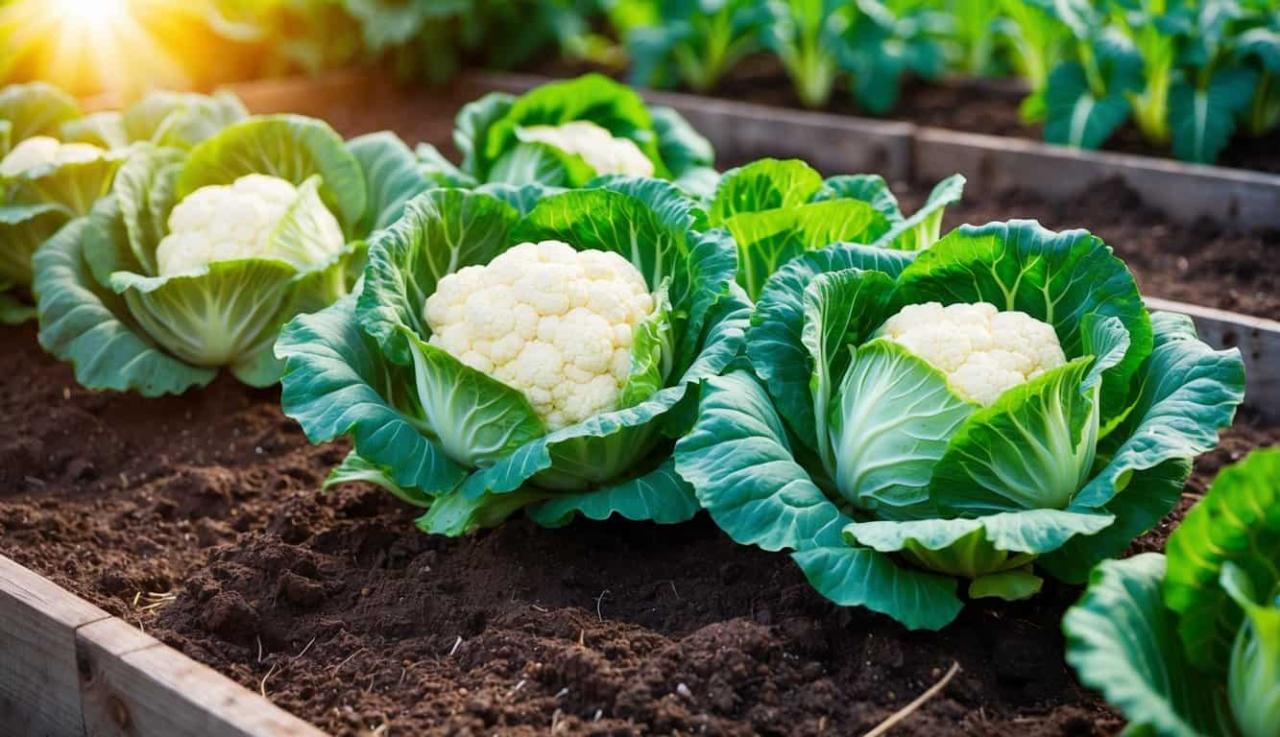
The cabbage crush represents a meaningful shift in food culture that reflects changing priorities among consumers, chefs, and food producers. This humble vegetable has demonstrated remarkable staying power, evolving from a perceived necessity during economic hardship to a celebrated ingredient in contemporary cuisine. Its nutritional density, affordability, sustainability, and versatility have positioned cabbage as a worthy successor to cauliflower’s reign as the trendy vegetable of choice.
As we embrace this cabbage revolution, we participate in a broader movement toward foods that nourish both body and planet. Cabbage offers a compelling model of sustainable, nutritious food that remains accessible to all consumers regardless of budget. Whether enjoyed as a crisp raw slaw, a fermented probiotic-rich kraut, a comforting braised dish, or an innovative roasted preparation, cabbage delivers satisfaction, nutrition, and culinary pleasure.
The cabbage’s journey from humble staple to trendy ingredient reminds us that food trends often represent rediscoveries of foods that have nourished humans for generations. The cabbage crush invites us to reconsider our food choices and embrace vegetables that offer both practical benefits and culinary delights. As we incorporate more cabbage into our diets, we join a global community celebrating this versatile vegetable’s many gifts to our tables and our health.