
 The world of fashion and interior design is constantly evolving, with new trends emerging and fading with each passing season. However, some aesthetics possess a timeless quality that transcends fleeting fads, capturing the collective imagination and establishing a lasting presence in the cultural zeitgeist. One such phenomenon that has recently taken the creative industries by storm is the cool blue aesthetic. This captivating trend, characterized by its serene, sophisticated, and strikingly versatile palette, has permeated every facet of design, from the garments we wear to the spaces we inhabit. The cool blue aesthetic is not merely a color preference; it is a profound statement of calm, clarity, and modern elegance that resonates deeply with contemporary sensibilities. This article delves into the multifaceted nature of this trend, exploring its origins, its dominance in fashion and decor, and the psychological and cultural factors that have propelled it to the forefront of style.
The Psychology of Blue: Why This Color Captivates
Before exploring the aesthetic’s manifestations, it is essential to understand the psychological underpinnings that make blue such a powerful and universally appealing color. Blue is often associated with the sky and the ocean, elements that evoke feelings of expansiveness, tranquility, and depth. In color psychology, blue is renowned for its calming effects on the mind and body. It lowers blood pressure, reduces heart rate, and promotes a sense of peace and order. This inherent serenity is a significant factor in the aesthetic’s appeal, especially in a world that is increasingly fast-paced, chaotic, and digitally saturated. The cool blue aesthetic offers a visual antidote to the noise of modern life, providing a sanctuary of visual calm.
Furthermore, blue is frequently linked to intelligence, trust, and reliability. It is the color of corporate logos, governmental institutions, and technological giants, all of which seek to project an image of stability and competence. This association lends the cool blue aesthetic a sense of sophistication and authority. It is not a childish or frivolous color; rather, it communicates maturity and refined taste. The specific shades within the cool blue spectrum further nuance this psychological impact. Sky blues and powder blues are airy and optimistic, while deeper navy and indigo hues convey power and introspection. Icy blues and periwinkles introduce a futuristic or ethereal quality, making the aesthetic incredibly adaptable to different moods and design narratives. This psychological versatility is a cornerstone of the aesthetic’s widespread dominance.
The Rise of the Cool Blue Aesthetic in Fashion
The fashion industry has wholeheartedly embraced the cool blue aesthetic, and it has become a dominant force on runways, in street style, and across retail collections. This is not a singular, monolithic trend but a diverse movement that encompasses a wide array of styles, silhouettes, and interpretations. Several factors have contributed to its ascent in the world of apparel.
A. The Influence of Digital Culture and Technology
One of the primary drivers of the cool blue aesthetic in fashion is the pervasive influence of digital culture and technology. The term “screen blue” has emerged to describe the specific, slightly electric shades of blue that are synonymous with our digital devices. These hues, reminiscent of the glow from smartphones, tablets, and computer screens, have a natural and familiar appeal to a generation raised in the digital age. Designers have cleverly incorporated these “digital blues” into their collections, creating garments that feel contemporary, connected, and almost futuristic. This trend is a direct reflection of our modern lives, where the digital and physical worlds are inextricably linked. The use of these specific blues serves as a form of visual shorthand for modernity, innovation, and the digital-native identity.
B. The “New Neutral” Concept
For years, the fashion world was dominated by a palette of traditional neutrals: black, white, beige, and gray. These colors were prized for their versatility and ability to anchor an outfit. However, the cool blue aesthetic has introduced a new paradigm. Shades like slate blue, steel blue, and dusty periwinkle have been heralded as the “new neutrals.” These colors offer the same foundational qualities as traditional neutrals—they are easy to style, flattering on a wide range of skin tones, and possess a timeless quality. Yet, they bring an added dimension of interest and personality. A slate-blue blazer, for example, is as versatile as a black one but is far more distinctive and modern. A steel-blue silk blouse can be dressed up or down with equal ease, acting as a chic alternative to a classic white shirt. This evolution of the neutral palette has been instrumental in embedding the cool blue aesthetic into the everyday wardrobe, making it a staple rather than a novelty.
C. Runway to Real World
The influence of high fashion on the proliferation of the cool blue aesthetic cannot be overstated. Major fashion houses and renowned designers have consistently featured blue-centric collections, setting the tone for the industry at large. From the luxurious, deep navy gowns of evening wear to the vibrant, electric blue suits of ready-to-wear lines, the color has been a recurring star on the runway. These high-fashion interpretations have a trickle-down effect, influencing mass-market retailers and independent designers alike. The aesthetic’s presence on the runways validates it as a serious and significant trend, encouraging consumers to embrace it. The transition from the rarefied world of fashion shows to the everyday wear of the public is a crucial step in any trend’s lifecycle, and the cool blue aesthetic has navigated this transition with remarkable ease.
The Dominance in Interior Design and Home Decor
Parallel to its success in fashion, the cool blue aesthetic has established a formidable presence in interior design and home decor. It has become a go-to choice for those seeking to create spaces that are simultaneously stylish, serene, and sophisticated. The application of this aesthetic in the home goes far beyond simply painting a wall blue; it involves a holistic approach to design that incorporates color, texture, light, and furnishings.
A. Creating Calm and Serene Spaces
The primary appeal of the cool blue aesthetic in interior design lies in its ability to foster a sense of calm and serenity. In an era of constant connectivity and information overload, the home has become a sanctuary, a place to unwind and recharge. The color blue, with its inherent psychological calming properties, is the perfect tool for creating this kind of environment. Bedrooms, in particular, have seen a significant shift towards various shades of blue, from the palest sky blue to the deepest navy. These spaces are designed to be restful havens, with the color promoting relaxation and facilitating a good night’s sleep. Similarly, bathrooms and living rooms are being transformed with blue accents, creating a spa-like or contemplative atmosphere that encourages peace and mindfulness.
B. A Versatile Foundation for Diverse Styles
One of the most remarkable aspects of the cool blue aesthetic in decor is its remarkable versatility. It is not confined to a single design style; rather, it can be adapted to complement a wide range of aesthetics. In a modern, minimalist space, a cool blue palette provides a sleek and uncluttered feel. In a coastal or nautical-themed room, it is the natural and expected choice, evoking the sea and sky. In a more traditional setting, deeper blues like navy and indigo add a layer of classic elegance and gravitas. When paired with warm metals like brass or gold, cool blues create a striking contrast that is both luxurious and inviting. When combined with natural materials like wood, stone, and linen, the aesthetic takes on an organic, earthy quality. This adaptability ensures that the cool blue aesthetic is not a passing fad but a design philosophy that can be tailored to suit any individual taste and any architectural style.
C. The Power of Accents and Textures
The cool blue aesthetic in interior design is not solely reliant on wall paint. The integration of blue through furnishings, textiles, and decorative accents is equally important, and often more impactful. A room with neutral walls can be completely transformed by the introduction of blue through various elements. For instance, a plush velvet sofa in a rich sapphire or teal becomes the instant focal point of a living room. Layering blue throw pillows, blankets, and area rugs adds depth and dimension to a space. Artwork featuring blue tones, from abstract paintings to landscape photography, can tie a room together. Even smaller accessories like vases, candles, and books with blue covers contribute to the overall aesthetic. The use of texture is crucial in this context. A smooth, glossy blue surface has a very different feel than a matte, textured one. By mixing materials like velvet, silk, wool, glass, and ceramic, designers can create a rich and engaging sensory experience that elevates the cool blue palette from a simple color scheme to a complex and nuanced design statement.
D. Biophilic Design and the Connection to Nature
The cool blue aesthetic also dovetails perfectly with the principles of biophilic design, an approach that seeks to connect building occupants more closely to nature. Blue, as the color of the sky and water, is a fundamental element of the natural world. By incorporating it into interior spaces, designers are effectively bringing the outdoors in. This connection to nature has been shown to have a positive impact on mental and physical well-being, reducing stress and improving cognitive function. Large windows that frame views of the sky, the use of natural materials with subtle blue undertones, and the inclusion of water features all contribute to this biophilic effect. The aesthetic, therefore, is not merely decorative; it is a conscious effort to create healthier, more harmonious living environments. It represents a holistic understanding of design that considers the human experience within the built environment.
Key Elements and Styling Tips for the Cool Blue Aesthetic

Having established the aesthetic’s presence in fashion and decor, it is essential to understand the key elements and practical styling tips that define it. This knowledge empowers individuals to incorporate the trend into their own lives, whether through their wardrobe or their living space.
A. Core Color Palette
The cool blue aesthetic is defined by a specific, carefully curated color palette that extends beyond just one shade of blue. The core of the palette includes:
-
Icy Blues and Periwinkles: These are the lightest and most ethereal shades, often with a slight lavender or gray undertone. They are perfect for creating airy, bright, and almost dreamlike atmospheres, especially effective in small spaces or as accent colors.
-
Slate and Steel Blues: These are the workhorses of the palette. They are the “new neutrals” that provide a sophisticated, grounded, and versatile base for any design. They are sophisticated and work well in any room or as a foundational color for a capsule wardrobe.
-
Navy and Indigo: These are the deep, rich, and dramatic hues that add weight, luxury, and a sense of formality. They are perfect for statement pieces, such as a feature wall, a velvet sofa, or a tailored winter coat. They also serve as an excellent alternative to black.
B. Complementary Colors
While blue takes center stage, the aesthetic is often enhanced by a strategic use of complementary colors. These colors help to balance the palette and add visual interest.
-
White and Off-White: These are the most common and effective complements. They provide a crisp, clean contrast that makes the blue shades pop. In interiors, they keep the space from feeling too dark or heavy, while in fashion, they create a fresh, classic look.
-
Warm Neutrals (Beige, Camel, Taupe): The contrast between cool blues and warm neutrals is particularly striking. This combination adds a layer of sophistication and warmth, preventing the overall aesthetic from feeling too cold or sterile. A camel-colored coat over a slate-blue dress is a perfect example of this in fashion.
-
Metallic Accents (Gold, Brass, Silver): Metallic finishes add a touch of glamour and luxury. Gold and brass, in particular, create a beautiful and elegant contrast with cool blues. In decor, think of a brass lamp on a blue console table or a gold necklace with a navy top.
-
Greenery and Botanical Elements: The introduction of plants and greenery is a crucial element, especially in interiors. The green of the plants provides a natural and organic contrast to the cool blues, further reinforcing the connection to nature and adding vibrancy to the space.
C. Texture and Material Palette
The texture and materials used are just as important as the colors themselves. They add depth, dimension, and tactile interest.
-
Velvet: This is the quintessential texture for the cool blue aesthetic, particularly in the deeper shades. A navy or sapphire blue velvet sofa or a pair of periwinkle blue velvet curtains adds an instant sense of luxury and opulence.
-
Linen: The natural, slightly slubbed texture of linen in a sky or steel blue offers a more casual and relaxed feel. It is perfect for achieving a coastal or organic modern look.
-
Wool and Cashmere: In fashion, these materials in cool blue shades are staples for cold-weather wear. Their softness and warmth counteract the potential coldness of the color, creating a cozy and desirable garment.
-
Glass and Ceramics: Decorative objects in blue glass or ceramics add shine and color. These are excellent for smaller accents that contribute to the overall aesthetic without requiring a large commitment.
-
Wood and Stone: Natural materials like light oak, walnut, or marble provide a grounding element. They add an organic quality that balances the sometimes-perceived coolness of the blue palette, creating a harmonious and balanced aesthetic.
The Cultural and Societal Implications of the Trend
The dominance of the cool blue aesthetic is not merely a superficial shift in color preference; it reflects deeper cultural and societal currents. In a world grappling with uncertainty, information overload, and a fast-paced, digitally-driven existence, there is a collective yearning for stability, clarity, and peace. The cool blue aesthetic offers a visual and emotional reprieve. Its association with tranquility, reliability, and intelligence makes it a symbolic counterpoint to the frenetic energy of modern life.
Moreover, the rise of this aesthetic is intrinsically linked to the concept of “quiet luxury” or “stealth wealth.” This trend, which emphasizes quality, craftsmanship, and timeless elegance over conspicuous branding and flashy logos, has found a perfect ally in the cool blue color palette. Deep navies, slate grays, and dusty periwinkles are the antithesis of loud, attention-grabbing colors. They are subtle, sophisticated, and unassuming, yet they communicate a refined sense of taste and an appreciation for enduring style. The cool blue aesthetic aligns perfectly with this ethos, allowing individuals to express their identity through a quiet and composed visual language.
Finally, the aesthetic’s popularity also speaks to a growing awareness of mental health and well-being. The desire to create spaces and live in a way that promotes calm and reduces stress is a defining characteristic of our time. The cool blue aesthetic, with its proven psychological benefits, provides a tangible and accessible means of achieving this. It is a design choice that actively contributes to a healthier state of mind, both at home and in personal style.
Implementing the Cool Blue Aesthetic: A Practical Guide
Adopting the cool blue aesthetic in your own life can be approached in many ways, from subtle to comprehensive. Here are some practical steps to integrate this trend.
A. For Your Wardrobe
-
Start with a Statement Piece: If you are new to the trend, consider investing in a key item like a steel-blue blazer, a navy coat, or an icy-blue silk blouse. This one piece can instantly elevate your style and anchor a variety of outfits.
-
Incorporate Accessories: If you are more hesitant, start with accessories. A pair of navy blue boots, a periwinkle scarf, or a slate-blue handbag can add a touch of the trend to your existing wardrobe without a large commitment.
-
Embrace Monochrome: For a powerful fashion statement, try a monochromatic look. Wearing head-to-toe blue in different shades and textures is incredibly chic and modern.
-
Mix and Match: Combine your blue pieces with other neutral tones like camel, cream, or gray. This creates a balanced and sophisticated ensemble.
-
Don’t Forget Denim: Denim, in its various washes, is an everyday way to wear the blue aesthetic. Pairing a crisp white shirt with dark indigo jeans is a classic and effortless interpretation.
B. For Your Home
-
Paint a Focal Wall: A dramatic and effective way to incorporate the trend is to paint a single wall in a deep navy or slate blue. This creates a beautiful focal point and adds depth to the room without overwhelming it.
-
Invest in a Key Furniture Piece: A blue sofa, a set of dining chairs, or a statement blue cabinet can transform a space. These larger items serve as the anchor for the room’s color scheme.
-
Layer Textiles: This is one of the easiest and most cost-effective methods. Add blue throw pillows, blankets, rugs, and curtains to your existing furniture. This adds color and texture without a major renovation.
-
Use Decorative Accents: Incorporate blue through vases, artwork, books, candles, and other decorative items. These smaller accents can be easily swapped out or rotated to refresh the space.
-
Bring in Nature: The combination of blue and green is both classic and contemporary. Incorporate indoor plants to complement the blue palette and enhance the connection to nature.
The Future of the Cool Blue Aesthetic
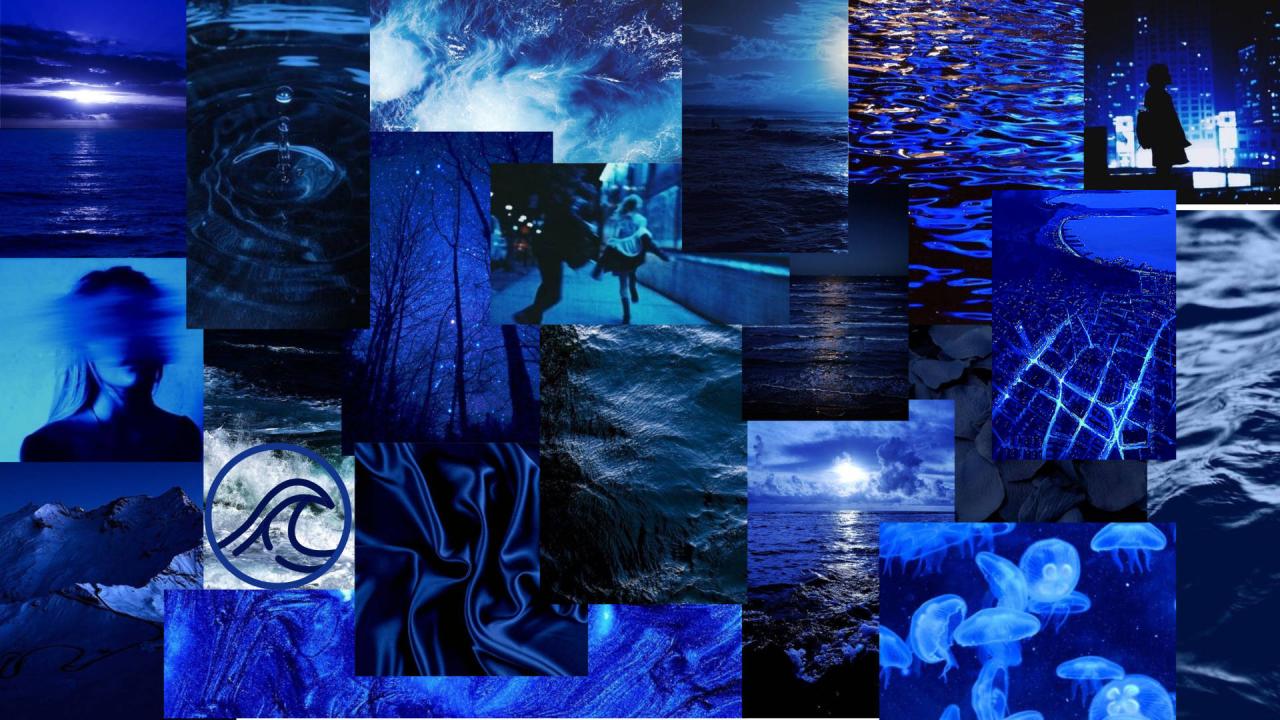
Looking ahead, the cool blue aesthetic shows no signs of waning. Its versatility, psychological appeal, and deep cultural resonance suggest that it will not only persist but evolve. As technology continues to advance and our digital lives become even more integrated, the fascination with “screen blues” and futuristic hues is likely to grow. Furthermore, as sustainability and conscious consumption become more important, the emphasis on timeless, classic styles over fast-fashion trends will only solidify the position of the cool blue aesthetic’s “new neutral” shades.
We can expect to see the aesthetic take on new forms as designers and creators experiment with different textures, materials, and combinations. The pairing of cool blues with unexpected colors, such as vibrant oranges or yellows, may emerge as a new and exciting sub-trend, offering a fresh take on the classic palette. However, the core principles of calm, sophistication, and versatility will undoubtedly remain the pillars upon which this aesthetic is built. The cool blue movement is not a temporary fixation; it is a significant and lasting shift in how we perceive and utilize color in every aspect of our lives.
In conclusion, the cool blue aesthetic has securely positioned itself as a dominant and influential force in both fashion and interior design. Its appeal is rooted in a powerful combination of psychology, cultural relevance, and practical versatility. It offers a pathway to a calmer, more sophisticated, and more intentional way of living. Whether through a statement navy coat, a serene blue bedroom, or simply a periwinkle blue accessory, embracing this trend is an investment in a style that is as timeless as it is timely.