In an era dominated by instant messaging, emojis, and fleeting digital interactions, a quiet yet powerful renaissance is taking place. The ancient practice of connecting with distant friends through handwritten correspondence, commonly known as having a pen pal, is experiencing a remarkable revival. This resurgence is not merely a nostalgic trip down memory lane; it represents a profound cultural shift towards intentionality, mindfulness, and tangible human connection in an increasingly virtual world. As we find ourselves overwhelmed by the constant ping of notifications and the pressure of immediate replies, the deliberate pace of letter writing offers a sanctuary for the soul. This article explores the multifaceted revival of this timeless tradition, from its psychological benefits to its modern adaptations, and provides a comprehensive guide for those eager to dip their pens into ink.
The Modern Quest for Analog Connection
The digital age has brought unparalleled convenience, yet it has also created a palpable hunger for authenticity and depth. Many individuals report feeling isolated despite being more “connected” than ever before. This paradox has fueled a search for meaningful interactions, leading many to rediscover the mail system.
According to recent reports, interest in pen pal programs has surged, particularly among younger generations who grew up with smartphones attached to their hands . The tactile nature of writing—feeling the nib of a pen glide across textured paper—offers a respite from the blue light of screens. Rachel Syme, a writer for The New Yorker, observed this phenomenon firsthand. During the COVID-19 pandemic, she launched “Penpalooza,” a project that connected thousands of individuals seeking human connection. The response was overwhelming, with over 15,000 people signing up to exchange letters .
Syme notes that the appeal lies in doing “something that’s more tactile, slower, more intentional, more mindful, but also just disconnected from the internet in every way” . This desire for “analog things” is akin to the revival of vinyl records; young people are exploring tangible mediums from the past, finding joy in the physical act of sending and receiving mail. The anticipation of waiting for a letter, a stark contrast to the instant gratification of a text message, enhances the emotional payoff when a letter finally arrives.
More Than Just Mail: The Psychological and Social Benefits
The revival of letter writing is not just a hobby; it is a powerful tool for mental well-being and empathy building. In an interpersonal communication class at Kingsborough Community College, professor Gordon Alley-Young discovered that when students analyzed relationship problems through letters, they were more empathetic and open-ended in their advice compared to analyzing cold case studies. The act of writing and responding to letters encouraged students to share their own feelings, fostering a deeper understanding of the human condition .
Furthermore, the benefits of having a pen pal extend beyond the classroom. For many, it serves as a therapeutic pastime. Julie Delbridge, who joined International Pen Friends as a teenager, found solace in letter writing during her parents’ difficult divorce. The correspondence provided an “abundance of non-judgmental friendship, fun and different perspectives,” immersing her in a positive world when her home life was challenging . The asynchronous nature of letter writing allows for thoughtful reflection, reducing the social anxiety that can accompany real-time conversations and enabling individuals to express themselves more authentically.
This practice also encourages active listening. In the digital world, we often scan messages to reply quickly. Letter writing, however, requires us to read carefully, ponder the questions, and craft a thoughtful response. This “listening” skill is crucial for maintaining a successful pen pal friendship, as it shows the recipient that their thoughts and experiences are being heard and valued . In a society that often feels rushed, the gift of being truly “listened to” is priceless.
Pen Pals in the Classroom: The Educational Edge
Educational institutions are beginning to recognize the profound impact of letter writing on student development. Professors like Kamran Javadizadeh from Villanova University require students to send physical letters to each other, even though they could easily converse in person. He argues that “something is lost when you have instantaneous communication,” and that the enforced delay and physical effort of mailing a letter create a unique form of intimacy known as “asynchronous intimacy” .
Similarly, the U.S. Postal Service has attempted to integrate pen pal programs into schools, sending cards and envelopes to thousands of elementary school classrooms to encourage literacy and writing skills. Beyond improving handwriting and grammar, letter writing teaches students about geography, cultural differences, and the structure of correspondence. It is a “stealth” educational tool that feels more like a game than a lesson. For students who may struggle with technology or social anxiety, the pen pal model provides a structured and safe environment to build confidence in communication.
The Evolution of the Pen Pal: From Traditional Clubs to Digital Apps
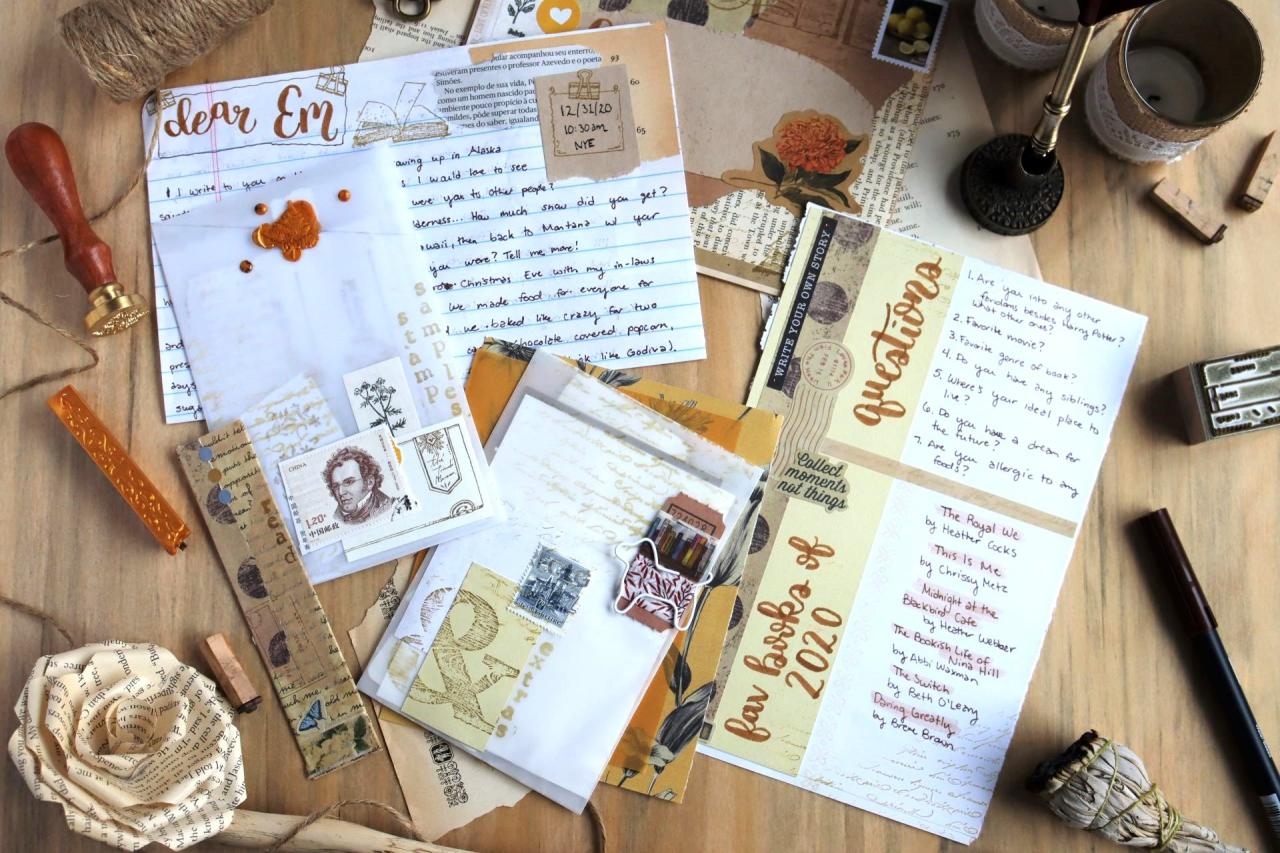
While the core principle remains the same, the mechanism for finding pen pals has evolved significantly. Traditional organizations like International Pen Friends (IPF), which has connected over 2 million people since its inception, are still active. However, the digital age has provided new avenues for matchmaking. In fact, a new generation of apps has emerged to bridge the gap between the desire for meaningful correspondence and the convenience of technology.
One notable example is the app “Slowly.” Launched in 2017, Slowly simulates the anticipation of “snail mail” by delaying the delivery of digital messages based on the geographical distance between the sender and recipient . Users cannot send a message and receive an instant reply; they must wait hours or even days. This delay “encourages longer, more thoughtful messages because you wouldn’t just say ‘hi’ if you know you have to wait days for a reply,” explains cofounder JoJo Chan . The app has gained over 10 million users, mostly in their 20s and 30s, indicating that the “letter writing” mindset translates well to the digital landscape when the pace is altered to allow for reflection.
However, purists argue that true pen palling involves the physical exchange. The act of choosing stationery, handwriting the note, and selecting a stamp is integral to the experience. For them, the visual appeal of the letter the ink, the paper, the embellishments is just as important as the words .
How to Start Your Pen Pal Journey: A Step-by-Step Guide
For those inspired to return to the mailbox or start a new habit, the process is simpler than it appears. Here is a comprehensive guide to getting started with a traditional pen pal.
A. Locating a Pen Pal
-
Start Locally: Begin by writing to friends or family members who live in different cities. This is a low-pressure way to rekindle a friendship or strengthen family bonds without the pressure of writing to a stranger .
-
Join Established Clubs: Organizations like International Pen Friends (IPF) have been matching people for decades. They offer structured programs based on age, interests, and location .
-
Use Online Platforms and Apps: While “Slowly” is a popular choice for digital correspondence, websites and social media groups also exist specifically for finding pen pals who prefer physical mail.
-
Social Media: As Rachel Syme demonstrated with Penpalooza, a simple post on social media asking, “Hey, I’d love to write you a letter,” can yield surprising and immediate results .
B. Crafting the Perfect First Letter
Writing the initial letter to a new pen pal can feel daunting, but the key is to be genuine and open.
-
Choose Quality Stationery: While not strictly necessary, using nice paper and a good pen demonstrates effort and care. It can be as simple as a notebook page or as fancy as vintage hotel stationery .
-
Write a Warm Opening: Start with a friendly greeting. Introduce yourself, including basic details like where you are from and what you do. Avoid being overly formal unless it feels natural .
-
Ask Engaging Questions: The best way to ensure a reply is to ask questions. Prompt your pen pal to share about themselves. Topics can include:
-
Favorite books, movies, or music.
-
Travel experiences or dream destinations.
-
Local cuisine or festivals.
-
Pets, hobbies, or weekend activities.
-
-
Share About Yourself: A letter should be a conversation. Talk about your daily life. Even mundane topics like the weather can be used creatively to set a mood or share a story .
-
Add Personal Touches: Don’t just write text. Include doodles, quotes, or simple drawings. This adds personality to the letter and shows you invested time.
C. Elevating Your Correspondence: Creative Enclosures
One of the most exciting aspects of snail mail is the ability to send “goodies” beyond the page. Rachel Syme suggests sending flat items that slide easily into an envelope, such as:
-
Stickers or washi tape samples.
-
Pressed flowers or leaves.
-
Tea bags (a comforting way to share a taste).
-
Photos or Polaroids.
-
Small bookmarks.
-
Paper incense or iron-on patches .
However, it’s crucial to check postal regulations before sending unusual items, as some materials (like matchbooks) are prohibited. Always double-check the weight and size limits to ensure your letter arrives safely .
Maintaining a Long-Term Pen Pal Friendship
Like any friendship, a pen pal relationship requires effort and consistency. The beauty of this connection is that it operates on a different schedule than our daily lives; it is about “slow growth” over months or years.
-
Consistency is Key: Try to establish a regular cadence for writing. It does not have to be weekly, but responding in a timely manner shows respect for the friendship .
-
Be Honest: Don’t be afraid to share your challenges or struggles. Vulnerability often strengthens the bond. The non-judgmental nature of a pen pal friendship can make it a safe space for emotional expression .
-
Embrace the Archive: Unlike text messages that may be deleted or lost in a digital void, letters are physical objects. Take photos of the letters you send to build your own personal archive, as you will never see the collection of letters you have sent to your friend .
A Case Study in Enduring Friendship
The power of this tradition is best illustrated by personal stories. An Associated Press reporter recently traveled 9,000 miles from New Hampshire to New Zealand to deliver a pair of purple sunglasses to her pen pal, fulfilling a request made 40 years prior . They had been matched in 1985 when they were 13 years old. Despite changes in the postal system and the advent of the internet, their friendship endured through aerogrammes and letters.
“Who would have thought when we started writing in 1985 that one day you’d be sitting here? It’s quite amazing,” the pen pal remarked during their visit . This story highlights the incredible depth of connection achievable through this slow, deliberate form of communication a connection that can span decades and continents.
Conclusion
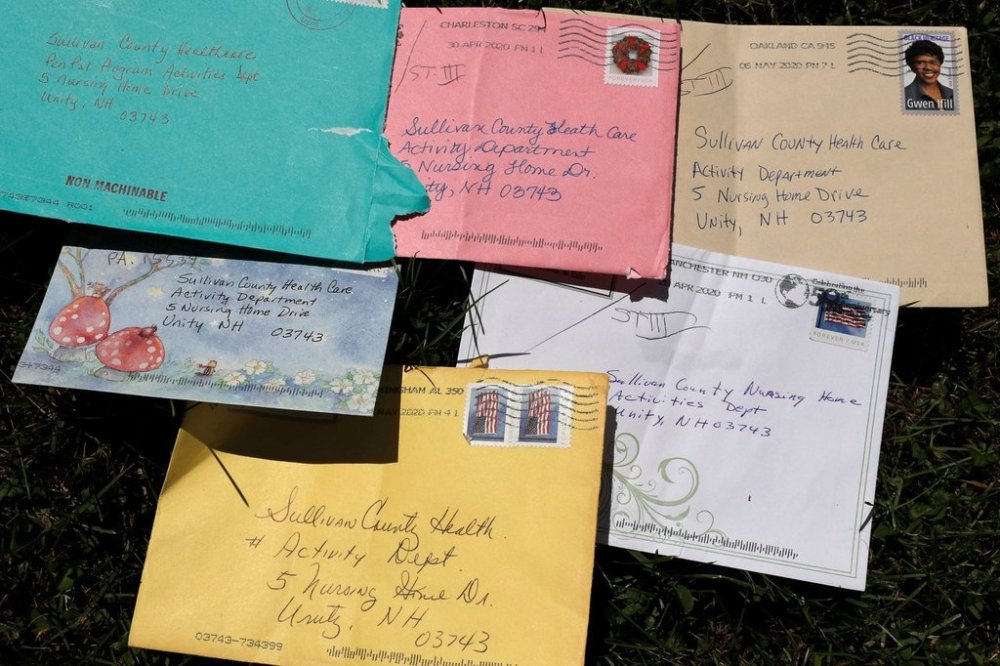
The revival of the pen pal tradition is a testament to the human need for connection, patience, and meaning. In a world where we are often reduced to digital avatars, receiving a handwritten letter addressed to you is a powerful reminder that someone cares enough to take the time. Whether through a traditional postal service, an app like Slowly, or a classroom project, the art of letter writing is not dying; it is transforming. It is a sanctuary from the overwhelming digital noise, a tool for empathy, and a vessel for carrying our stories across the world. So, pick up a pen, find some paper, and take a leap of faith. You might just find a lifelong friend waiting on the other side of the mailbox.