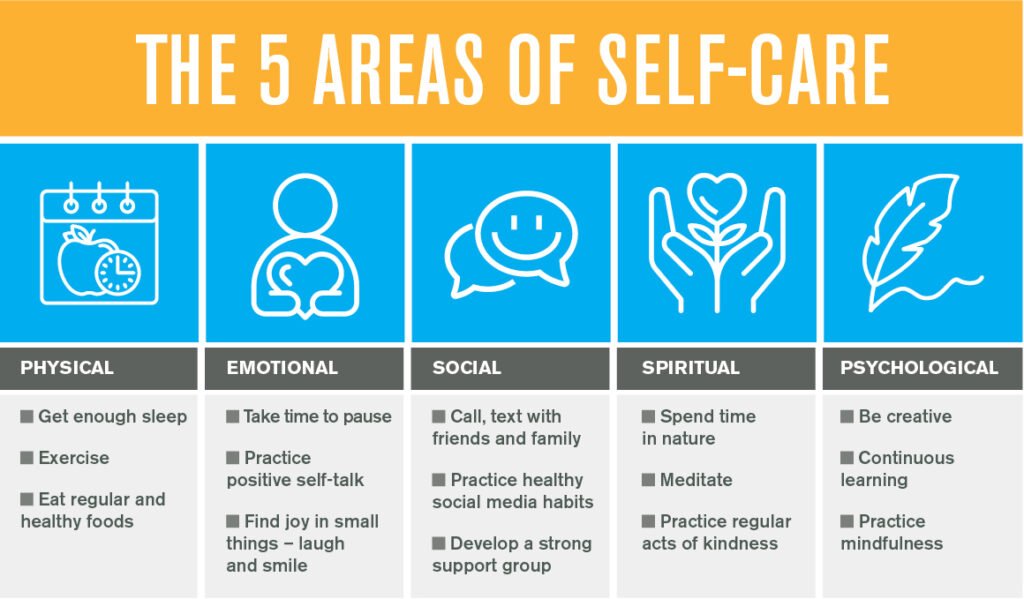
For decades, the concept of self-care has been synonymous with bubble baths, scented candles, yoga mats, and the occasional green smoothie. While these practices are certainly beneficial for mental relaxation and momentary stress relief, they represent only the surface of what human health truly requires. We have entered a revolutionary era where passive wellness is being aggressively replaced by active, data-driven, and biologically precise health management. This new paradigm is known as “Scientific Wellness,” and it is fundamentally reshaping how we understand, track, and optimize the human body. Unlike traditional self-care, which often relies on general advice and subjective feelings, scientific wellness is rooted in hard metrics, genomic insights, microbiological analysis, and real-time physiological feedback. It is not about guessing what your body needs; it is about knowing with absolute certainty. This transformation is not merely a trend but a necessary evolution in response to the rising tide of chronic diseases, environmental toxins, and the increasing complexity of modern lifestyles. In this comprehensive article, we will explore the intricate layers of scientific wellness, dissect why it surpasses outdated self-care rituals, and provide a detailed roadmap for integrating this cutting-edge approach into your daily life.
The Limitations of Traditional Self-Care
To fully appreciate the power of scientific wellness, we must first acknowledge the deficiencies of the traditional self-care model. Traditional self-care is predominantly reactive and generalized. It operates on the principle that what works for one person will likely work for another. For example, the standard advice to “drink eight glasses of water a day” ignores individual variations in body weight, activity level, climate, and metabolic rate. Similarly, the recommendation to “get eight hours of sleep” fails to account for genetic variations in sleep cycles, such as the PER3 gene, which dictates whether a person is a morning lark or a night owl.
Furthermore, traditional self-care often relies on anecdotal evidence and cultural folklore rather than peer-reviewed science. It emphasizes comfort over correction. For instance, taking a pain reliever for a headache is self-care, but identifying the root cause of that headache—whether it be dehydration, electrolyte imbalance, or a histamine reaction—is scientific wellness. The old model treats symptoms; the new model seeks to eliminate the source of dysfunction. The problem with the reactive approach is that it allows minor imbalances to fester into major chronic conditions. By the time a symptom is severe enough to warrant a doctor’s visit, the underlying pathology may have been developing for years.
Defining Scientific Wellness: A Data-Driven Lifestyle
Scientific wellness is a proactive, systematic, and evidence-based approach to health that utilizes advanced diagnostic tools to create hyper-personalized interventions. It moves beyond the generic “eat less, move more” paradigm and dives deep into the unique biochemical makeup of the individual. This approach acknowledges that each human being is a distinct biological universe, influenced by a specific combination of genetics, epigenetics, microbiome composition, and environmental exposures.
The core philosophy of scientific wellness is that “health” is not merely the absence of disease but a state of optimal physiological function. It is the pursuit of vitality, cognitive clarity, and metabolic efficiency. To achieve this, scientific wellness employs a variety of cutting-edge technologies, including continuous glucose monitors (CGMs), DNA sequencing, metabolomic profiling, and advanced sleep tracking devices. These tools generate thousands of data points that are then analyzed using artificial intelligence and machine learning algorithms to identify patterns, predict risks, and recommend precise actions.
The Pillars of Scientific Wellness
Scientific wellness rests on several interconnected pillars that differentiate it from conventional health advice. These pillars are not isolated; they function synergistically to create a holistic picture of human health.
A. Precision Nutrition – This pillar moves away from generic dietary guidelines. Instead of following a standard food pyramid, precision nutrition analyzes an individual’s genetic variants affecting fat metabolism, carbohydrate sensitivity, and micronutrient absorption. For example, a person with a variant in the FTO gene may require a lower carbohydrate intake to maintain healthy weight, while someone with a MTHFR mutation may need methylated B-vitamins. Continuous glucose monitoring reveals exactly how specific foods, such as bananas versus berries, spike blood sugar in real-time. This data allows for the creation of a “glycemic fingerprint,” enabling individuals to eat for their specific metabolic reality.
B. Chronobiology and Sleep Optimization – Circadian rhythms govern nearly every physiological process, from hormone release to cellular repair. Scientific wellness utilizes wearable devices and salivary cortisol testing to map an individual’s circadian profile. This allows for the precise timing of meals, exercise, and sleep to align with the body’s natural clock. It is not merely about sleeping longer but sleeping smarter. By tracking heart rate variability (HRV) and deep sleep stages, individuals can adjust their evening routines, light exposure, and supplementation (such as magnesium or L-theanine) to enhance restorative sleep cycles.
C. Gut Microbiome Modulation – The human gastrointestinal tract harbors trillions of bacteria that influence immunity, mood, weight, and even neurological health. Scientific wellness utilizes comprehensive stool analysis to identify the specific strains of bacteria present in the gut, their diversity, and their metabolic output. Based on this data, individuals can consume specific prebiotic fibers and probiotic strains that are deficient. This is a far cry from the generic advice to “eat yogurt” for gut health, as many commercial yogurts lack the specific strains required to address an individual’s unique dysbiosis.
D. Hormonal and Neurotransmitter Balance – Hormones act as chemical messengers that dictate energy, mood, and resilience to stress. Scientific wellness employs dried urine testing or saliva panels to measure free cortisol, DHEA, estrogen, testosterone, and progesterone levels. It also assesses neurotransmitter metabolites to evaluate dopamine and serotonin turnover. This data allows for targeted lifestyle changes, adaptogenic herbs, and amino acid therapies to restore balance, directly addressing issues like adrenal fatigue or mood instability.
Why Scientific Wellness is Superior to Basic Self-Care
The distinction between scientific wellness and basic self-care is the difference between a hypothesis and a conclusion. Basic self-care is a guessing game. Scientific wellness is a confirmation. When you practice scientific wellness, you are not hoping that your diet is working; you are measuring the outcome. You are not assuming you are getting enough sleep; you are analyzing the physiological biomarkers of sleep quality.
Moreover, basic self-care often ignores the concept of “biological individuality.” A person with a sluggish liver detoxification pathway due to GST gene variants will not benefit from the same detox smoothie as someone with robust enzyme activity. In fact, certain “healthy” foods like kale or broccoli can actually inhibit thyroid function in individuals with iodine sensitivity or existing hypothyroidism. Scientific wellness identifies these hidden pitfalls.
The Role of Wearable Technology and AI
Wearable technology has been the primary catalyst for the shift toward scientific wellness. Smartwatches, Oura rings, and continuous glucose monitors have democratized access to health data. However, data without interpretation is merely noise. This is where artificial intelligence (AI) plays a pivotal role. Machine learning algorithms can now process terabytes of biological data to recognize patterns that the human eye cannot see. For instance, an AI can detect subtle changes in resting heart rate that precede an inflammatory response by three days, allowing the user to adjust their diet or stress levels preemptively.
AI also enables “digital twin” technology, where a computer model of your metabolism is created. You can simulate the effects of different foods, exercise regimens, and sleep schedules on your digital twin before implementing them in real life. This predictive capability reduces the trial-and-error approach that dominates traditional self-care.
The Psychological Shift from Reaction to Prevention
One of the most profound changes scientific wellness brings is the psychological shift from being a passive recipient of health advice to an active architect of one’s own biology. Traditional self-care often fosters a victim mentality “I have a headache, so I need to rest.” Scientific wellness fosters an investigator mentality “I have a headache, and my CGM shows a spike in glucose followed by a crash, so I need to stabilize my blood sugar.”
This proactive mindset is deeply empowering. It transforms anxiety about health into actionable intelligence. Instead of dreading the annual physical exam, individuals who engage in scientific wellness monitor their biomarkers continuously. They walk into their doctor’s office with a year’s worth of data, leading to more productive and specific medical interventions. This reduces the dependency on reactive pharmaceuticals and increases the efficacy of lifestyle-based medicine.
How to Transition from Self-Care to Scientific Wellness
Transitioning to scientific wellness does not require a complete overhaul of one’s life overnight. It is a gradual process of replacing guesswork with measurement. Below is a systematic guide to making this transition effectively. The following steps are arranged in a logical sequence, from the most accessible interventions to the most advanced.
A. Begin with Baseline Quantification – The first step is to know your numbers. This goes beyond checking your weight on a scale. Begin with a comprehensive blood panel that includes lipid profile, fasting glucose, HbA1c, high-sensitivity CRP (inflammatory marker), and homocysteine. Simultaneously, invest in a reliable sleep and activity tracker to establish a baseline for your daily movement and sleep architecture.
B. Implement Continuous Glucose Monitoring – Even if you are not diabetic, a continuous glucose monitor (CGM) is the single most effective tool for dietary education. Wear the monitor for two weeks. Track your glucose response to every meal. You will likely be shocked to see that “healthy” oatmeal can spike your blood sugar as much as a candy bar. Use this data to adjust your meal composition adding protein and healthy fats to blunt glucose spikes.
C. Personalize Your Hydration – Stop counting glasses of water. Instead, calculate your hydration needs based on sweat rate and electrolyte loss. You can do this by weighing yourself before and after exercise to determine fluid loss. Replace fluids with a balanced electrolyte solution containing sodium, potassium, and magnesium, rather than plain water, to ensure cellular hydration.
D. Optimize Light Environment – Scientific wellness acknowledges light as a nutrient. Track your light exposure. Use blue-light-blocking glasses in the evening. Get sunlight exposure within 30 minutes of waking to set your circadian rhythm. Utilize red light therapy for cellular mitochondrial health, but only after measuring your skin’s response and vitamin D levels.
E. Genetic and Microbiome Testing – The most profound step is to map your genome and your microbiome. Order a direct-to-consumer genetic test and run the raw data through a third-party analyzer to understand your risk alleles for conditions like Alzheimer’s, breast cancer, and cardiovascular disease. Similarly, perform a comprehensive stool test (such as GI-MAP) to identify pathogens, parasites, and beneficial bacteria levels. Use this data to create a tailored supplement and dietary protocol.
F. Tracking Hormonal Fluctuations – For menstruating individuals, cycle tracking is critical. However, scientific wellness utilizes basal body temperature and hormone metabolite tracking to understand the specific phases of the menstrual cycle. This allows for periodized nutrition and training eating more carbohydrates during the luteal phase and lowering intensity during the follicular phase, matching the body’s natural metabolic demands.
G. Cognitive and Neurological Monitoring – Scientific wellness does not ignore the brain. Use digital cognitive assessment tools to track reaction time, memory, and executive function. If these markers decline, investigate inflammatory markers, heavy metal toxicity, or neurotransmitter imbalances. This is crucial for long-term brain health and preventing neurodegenerative decline.
The Economics of Scientific Wellness
There is a common misconception that scientific wellness is prohibitively expensive and reserved for the wealthy elite. While it is true that comprehensive genetic sequencing and advanced microbiome analysis cost money, the cost of not knowing is significantly higher. Chronic diseases, which account for 90% of healthcare spending in many countries, are largely preventable. The cost of a CGM sensor for a month is roughly equivalent to a few restaurant meals. The cost of a genetic test is less than a single emergency room visit.
Furthermore, many wearable technologies and apps now offer free or low-cost data aggregation. Scientific wellness is an investment in longevity. It reduces the likelihood of expensive surgeries, lifelong pharmaceutical dependency, and loss of income due to disability. In the long term, scientific wellness is actually more economical than reactive healthcare.
The Role of Longevity Clinics and Concierge Medicine
This paradigm has given rise to a new industry of longevity clinics and concierge medical practices. These facilities do not wait for patients to get sick; they actively monitor biomarkers to prevent sickness. These clinics use MRI scans, DEXA scans (for body composition), and advanced lipid fractionation to provide a detailed picture of cardiovascular risk. They offer IV nutrient therapies, personalized peptide treatments, and hormone replacement tailored to the individual’s unique genetic profile. While traditional doctors may take a “wait and see” approach to a slightly elevated blood sugar reading, scientific wellness practitioners intervene immediately with lifestyle changes to reverse the trend.
Challenges and Criticisms of Scientific Wellness
Despite its numerous advantages, scientific wellness is not without its challenges. Critics argue that the constant monitoring of biometrics can lead to “orthosomnia” or an obsessive preoccupation with health data, causing anxiety. This phenomenon is often referred to as “health anxiety” or “cyberchondria.” When individuals obsess over every slight fluctuation in their heart rate variability, they can paradoxically create stress, which undermines the very health they are trying to achieve.
Additionally, the scientific wellness industry is currently under-regulated. Many companies sell “wellness tests” that lack clinical validation. Individuals must be discerning and seek out CLIA-certified labs and peer-reviewed methodologies. Furthermore, genetic data privacy is a significant concern. When you submit your DNA to a company, you are exposing the most intimate information about your biology, which could potentially be used against you by insurance companies or employers.
A. Addressing Data Overload
The average scientific wellness enthusiast can easily become overwhelmed by the sheer volume of data. You might have 10,000 steps, a sleep score of 85, a glucose range of 70-140, a HRV of 45, and a ketone level of 0.5. What does it all mean? This is why the role of health coaches and AI interpreters is critical. The data must be integrated into a unified dashboard that provides actionable insights rather than raw numbers. Without this synthesis, data becomes noise.
B. The Risk of Self-Diagnosis
While scientific wellness empowers individuals, it should not replace professional medical advice. The “Google doctor” phenomenon is dangerous when individuals misinterpret their laboratory results. A high LDL particle count, for example, must be interpreted in the context of HDL levels, triglycerides, and family history. Scientific wellness is a complement to, not a replacement for, a qualified physician. It is a tool that allows for more informed conversations during medical appointments.
The Future of Health Care is Scientific Wellness
The trajectory of human health is undeniably moving toward precision. We are leaving the age of “one-size-fits-all” medicine. The future doctor will not simply ask, “What hurts?” They will ask, “What does your genome say?” and “What is your real-time metabolic state?” This is the ultimate destination of scientific wellness. It represents the fusion of biology, technology, and data science to extend not just lifespan, but “healthspan” the number of years lived in good health.
How to Maintain Balance in the Pursuit of Optimization
It is vital to remember that scientific wellness is a tool, not a religion. While striving for optimal numbers, one must not forget the importance of joy, social connection, and spontaneity. Eating a slice of birthday cake may cause a glucose spike, but the psychological benefit of social bonding is an essential component of health that is often overlooked. Scientific wellness recognizes this by sometimes using “metabolic flexibility” the ability to burn both glucose and fat efficiently so that occasional indulgences are easily metabolized without long-term harm.
Conclusion: Embracing the Evolution
Scientific wellness is the inevitable evolution of self-care. We have moved beyond the era of mysticism and guesswork in health. We are now in the age of accountability and precision. The human body is a complex, dynamic system that responds to specific inputs. By utilizing the tools of modern science genomics, metabolomics, wearables, and AI we can finally understand the language of our own biology. We can stop guessing and start knowing.
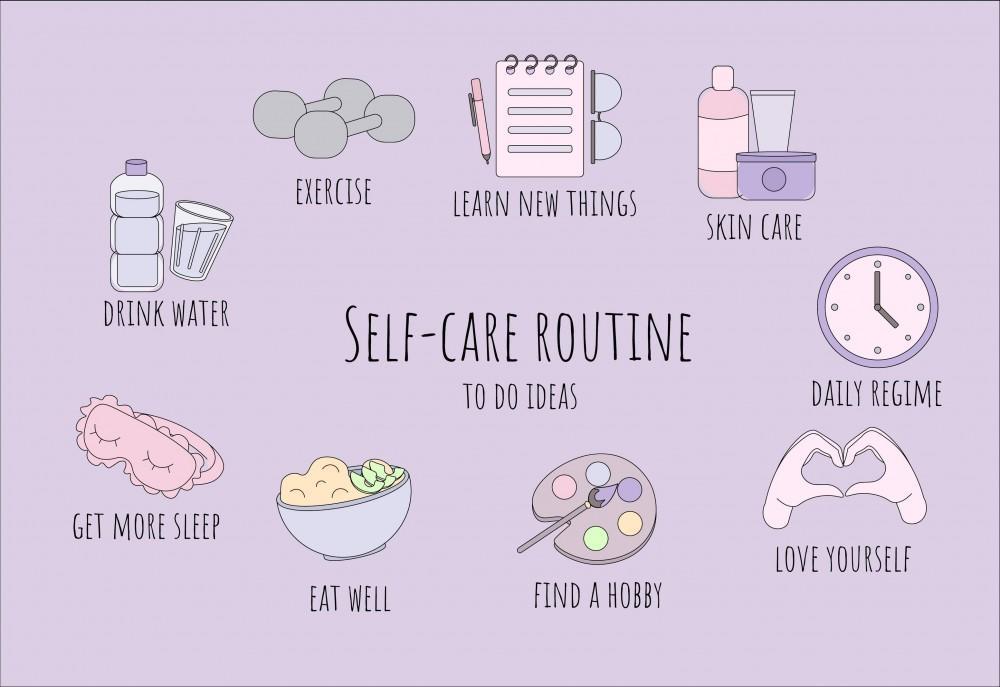
Basic self-care asked you to relax. Scientific wellness asks you to understand. Basic self-care treated the symptom; scientific wellness eradicates the cause. Basic self-care is a candle in the dark; scientific wellness is the light switch. By embracing this paradigm, we are not just living longer; we are living better. We are taking the reins of our health and steering our biology toward a future of vitality, resilience, and profound well-being. The data is available. The tools are in our hands. The only question that remains is whether we will use them. The future of health is here, and it is undeniably scientific. It is time for the world to transition from passive existence to active optimization. It is time to replace guesswork with knowledge and fear with intelligence. Scientific wellness is more than a lifestyle; it is the new standard for human flourishing.