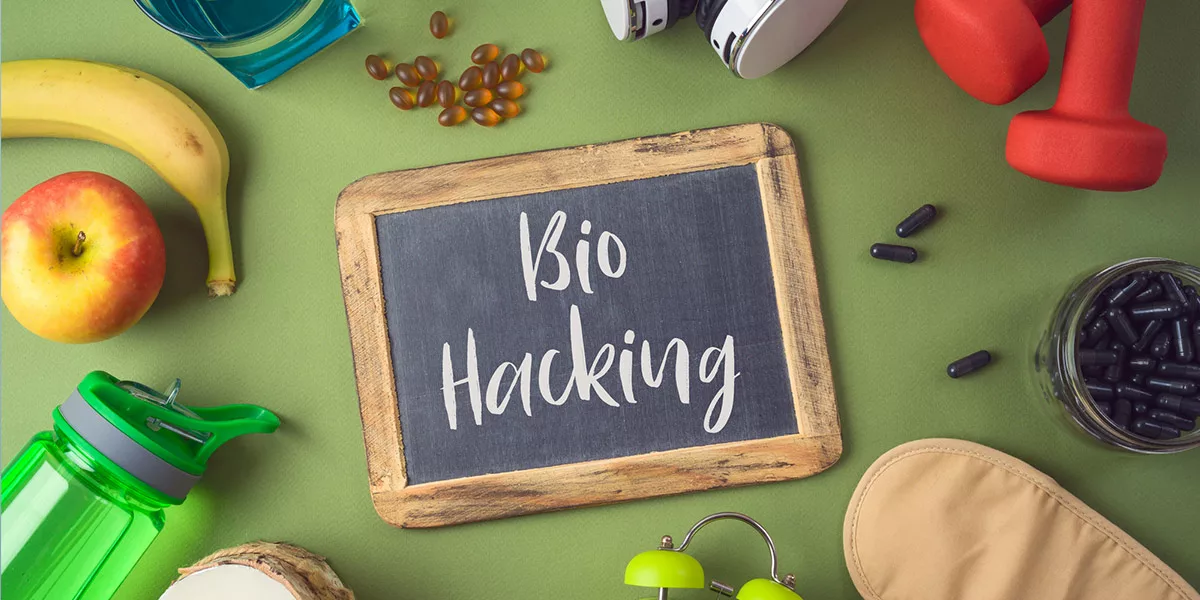
In the contemporary pursuit of excellence, the concept of “biohacking” has surged beyond niche tech circles to become a mainstream approach to personal optimization. At its core, biohacking represents the art and science of strategically manipulating your lifestyle and environment to exert control over your own biology. It’s the deliberate, data-driven upgrade to your human operating system. The ultimate aim? To achieve peak physical vitality, razor-sharp mental clarity, sustained emotional balance, and profound overall well-being. While the term may evoke images of futuristic implants, the most impactful and accessible form of biohacking begins with one fundamental element: your daily routine. This comprehensive guide delves deep into the methodologies for biohacking your day, transforming ordinary habits into a powerful scaffold for extraordinary human performance.
Understanding the Philosophy: From Passive Existence to Active Governance
Traditional approaches to health are often reactive—addressing problems as they arise. Biohacking, in contrast, is inherently proactive and experimental. It operates on a simple, empowering principle: you are the chief scientist of your own life. Your body and mind are the ultimate laboratory. By making incremental, measured changes to variables like nutrition, sleep, movement, and stress, and then meticulously tracking the outcomes, you can identify what truly works for your unique physiology. This process moves you from a state of passive existence to one of active governance, where you are no longer a victim of fatigue, brain fog, or low mood, but an architect of your energy, focus, and resilience.
The Foundational Pillars of a Biohacked Routine
A successful biohacking regimen is not about a single miracle intervention but about synergistically layering several foundational pillars. Neglecting one can undermine the others. A truly optimized routine is built upon the following interconnected principles.
A. Chronobiology: Synchronizing with Your Internal Clock
The most potent biohack is aligning your life with your circadian rhythm—the roughly 24-hour biological clock governing nearly every physiological process, from hormone release to cellular repair. Disruption of this rhythm is linked to poor sleep, metabolic disorders, and impaired cognition.
-
Morning Light Anchor: View bright, natural sunlight within 30-60 minutes of waking. This signals to your suprachiasmatic nucleus (the brain’s master clock) that the day has begun, suppressing melatonin and cortisol appropriately, boosting alertness, and setting a precise circadian timer for melatonin release later that evening. On overcast days, consider a 10,000-lux light therapy lamp.
-
Strategic Darkness: As sunset approaches, minimize exposure to blue and green light wavelengths emitted by screens and LEDs. Utilize blue-light blocking glasses, enable night-shift modes on devices, and transition to dim, warm-toned lighting. This supports the natural rise of melatonin, preparing your body for restorative sleep.
B. Sleep Optimization: The Non-Negnegotiable Biohack
Sleep is not downtime; it is a highly active period of detoxification, memory consolidation, and hormonal regulation. Biohacking sleep is the highest-return investment you can make.
-
Temperature Regulation: Core body temperature must drop to initiate and maintain sleep. A cool bedroom (around 65°F or 18°C) is ideal. Take a warm bath 1-2 hours before bed; the subsequent drop in core temperature as you exit the bath is a powerful sleep signal.
-
Sleep Consistency: Prioritize going to bed and waking up at the same time every day, even on weekends. This regularity reinforces your circadian rhythm far more effectively than trying to “catch up” on lost sleep.
-
Wind-Down Ritual: Create a 60-minute pre-sleep protocol devoid of stimulating activities. This could include reading (non-digital), gentle stretching, meditation, or journaling to offload mental chatter.
C. Nutritional Biohacking: Fueling Cellular Machinery
Move beyond generic diet advice to personalized nutrition. The goal is to stabilize energy, reduce inflammation, and provide precise building blocks for optimal function.
-
Intermittent Fasting & Metabolic Flexibility: Protocols like 16:8 (fasting for 16 hours, eating within an 8-hour window) can enhance autophagy (cellular cleanup), improve insulin sensitivity, and train your body to efficiently burn fat for fuel, reducing energy crashes.
-
Macronutrient Timing: Align your food intake with your energy needs. Consume higher carbohydrate meals around periods of physical or intense mental activity. Opt for higher fat, lower carbohydrate meals in the evening to support sleep and overnight repair.
-
Strategic Supplementation: While food comes first, targeted supplements can address deficiencies or provide ergogenic benefits. This might include:
-
Omega-3 Fatty Acids (DHA/EPA): For brain health and reducing inflammation.
-
Vitamin D3 + K2: Crucial for immune function, mood, and bone/cardiovascular health, especially with limited sun exposure.
-
Adaptogens (e.g., Rhodiola Rosea, Ashwagandha): Herbs that help the body adapt to and resist physical and mental stressors.
-
Nootropics: “Cognitive enhancers” like L-Theanine (paired with caffeine for focused calm), Creatine for brain energy, or Bacopa Monnieri for memory. Crucially, always consult a healthcare professional before beginning any new supplement regimen.
-
D. Movement & Physical Stress: The Hormetic Dose
The biohacking principle of hormesis states that a beneficial adaptive response is elicited by exposure to low-dose stressors.
-
Non-Exercise Activity Thermogenesis (NEAT): Increase low-level movement throughout the day. Use a standing desk, take walking meetings, and set a timer to stand and stretch every 45 minutes. High daily NEAT is strongly correlated with metabolic health.
-
High-Intensity Interval Training (HIIT): Short bursts of maximal effort followed by recovery periods provide massive cardiovascular and metabolic benefits in a time-efficient manner, stimulating growth hormone release.
-
Cold Exposure: Taking cold showers or ice baths triggers a flood of norepinephrine, reduces inflammation, improves mood and focus, and enhances brown fat activation (which burns calories for heat).
-
Heat Exposure: Regular sauna use (followed by cooling) mimics the benefits of mild exercise, promoting cardiovascular health, inducing relaxation, and supporting growth hormone release.
E. Cognitive & Emotional Regulation: Hacking the Mind
Peak performance is impossible without a calm, focused, and resilient mind.
-
Mindfulness & Meditation: Just 10-20 minutes of daily meditation can physically reshape the brain, strengthening areas associated with focus and emotional regulation while shrinking the amygdala (the fear center). It is foundational for stress management.
-
Digital Minimalism: Schedule intentional blocks of “deep work” where notifications are disabled. Designate times to check email and social media rather than being perpetually reactive. This protects cognitive bandwidth and reduces anxiety.
-
Gratitude & Journaling: A nightly practice of writing down three things you are grateful for has been scientifically shown to improve sleep and increase feelings of happiness and life satisfaction by retraining neural pathways.
Advanced Biohacking: Leveraging Data and Technology
For those ready to deepen their experimentation, technology provides unprecedented insights into personal biochemistry.
-
Wearable Technology: Devices like the Oura Ring, Whoop Strap, or Apple Watch track sleep stages, heart rate variability (HRV a key metric of recovery and stress resilience), resting heart rate, and activity. This data provides objective feedback on how your behaviors affect your physiology.
-
Blood Testing and Biomarker Tracking: At-home test kits or lab panels can measure biomarkers like lipid profiles, HbA1c (blood sugar average), inflammation markers (e.g., CRP), and hormone levels. Testing every 3-6 months allows you to see the direct impact of your interventions and adjust accordingly.
-
Neurofeedback: This advanced technique uses real-time displays of brain activity (EEG) to teach self-regulation of brain function, potentially improving attention, reducing anxiety, and enhancing mental clarity.
Designing Your Personal Biohacked Protocol: A Sample Blueprint
Implementing all of this at once is a recipe for failure. The key is to start small, track diligently, and iterate. Here is a sample framework for a biohacked day.
Morning (5:30 AM – 9:00 AM):
-
Wake without an alarm (a sign of optimized sleep).
-
Drink a large glass of water.
-
Step outside for 10-15 minutes of morning sunlight exposure.
-
Engage in 20 minutes of mindfulness meditation or box breathing.
-
Perform a short mobility routine or gentle movement.
-
Consume a nutrient-dense breakfast, perhaps higher in protein and healthy fats, or delay eating if practicing intermittent fasting.
-
During your commute or first work block, listen to an educational podcast or audiobook.
Mid-Day (9:00 AM – 1:00 PM):
-
Commence your most cognitively demanding “deep work” tasks.
-
Stay hydrated with water or herbal tea.
-
Take a 5-minute movement break every 45-60 minutes.
-
Opt for a lunch that supports sustained energy, focusing on lean protein, fibrous vegetables, and complex carbohydrates.
Afternoon (1:00 PM – 6:00 PM):
-
Engage in collaborative work or meetings.
-
If energy dips, consider a short (10-20 minute) non-sleep deep rest (NSDR) session or a brisk walk outside.
-
Schedule your high-intensity workout or strength training session during this time (if not a morning exerciser).
-
Consider a strategic caffeine cutoff 8-10 hours before bedtime.
Evening (6:00 PM – 10:30 PM):
-
Enjoy a lighter, earlier dinner, emphasizing protein and vegetables, lower in simple carbs.
-
Begin your digital sunset: don blue-light blocking glasses, dim lights.
-
Engage in your wind-down ritual: light reading, family time, gentle stretching.
-
Take a warm bath or shower.
-
Practice a brief gratitude journaling session.
-
Ensure your sleep environment is cool, dark, and quiet. Retire to bed at your consistent time.

Crucial Cautions and Ethical Considerations
The biohacking journey demands responsibility. The premise of “self-experimentation” comes with risks.
-
The Placebo/Nocebo Effect: Your belief in an intervention can powerfully influence the outcome, both positively and negatively. Strive for objectivity through data tracking.
-
Avoiding Orthorexia: The pursuit of health must not become an unhealthy obsession. Allow for flexibility and enjoyment; a perfect routine is not the goal a sustainable, enhancing one is.
-
Consult Professionals: Never self-prescribe serious interventions, especially hormonal treatments or potent supplements, without guidance from a qualified doctor or nutritionist. Biohacking is about enhancement, not reckless endangerment.
Conclusion: The Journey of Lifelong Optimization
Biohacking your daily routine is not a destination but an ongoing, iterative journey of self-discovery. It is about reclaiming agency over your biology and moving through life with intention, vigor, and purpose. By starting with the foundational pillars of light, sleep, nutrition, movement, and mindfulness, and then progressively refining based on personal data, you construct a life not just lived, but optimized. The ultimate biohack is the realization that you possess immense power to upgrade your own human experience, one deliberate, scientifically-informed habit at a time. Begin with one change, measure its effect, and build from there. Your future, high-performing self awaits.