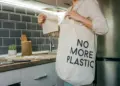
In an era increasingly defined by environmental consciousness, the movement towards plastic-free living has gained monumental traction. Motivated by alarming images of oceanic garbage patches, distressing reports of wildlife harm, and growing personal health concerns, individuals worldwide are attempting to drastically reduce their plastic footprint. However, the journey from intention to consistent practice is fraught with substantial, often underestimated, obstacles. This deep dive explores the seven most significant hurdles faced by aspiring plastic-free advocates, offering not just an examination of the challenges but also pragmatic strategies for navigation. Understanding these complexities is the first step toward meaningful, long-term change in our relationship with disposable plastics.
A. The Pervasive Nature of Convenience and Entrenched Habits
The most immediate battle in plastic-free living is against the seductive power of convenience and our own automated behaviors. For decades, single-use plastic has been engineered into the very fabric of daily life, offering unmatched hygiene, portability, and disposability. From grabbing a bottled water on the go to accepting a plastic straw without a second thought, these actions are less conscious choices and more ingrained habits.
The psychological pull of convenience is amplified by modern, fast-paced lifestyles where time is a precious commodity. Unwrapping a plastic-waged snack or using disposable cleaning wipes saves minutes, creating a constant tension between environmental ideals and practical daily demands. Breaking this cycle requires more than willpower; it necessitates a systemic rewiring of daily routines. Success hinges on developing new, convenient alternatives before the moment of need arises such as packing a reusable kit (water bottle, coffee cup, utensils, cloth bag) every morning. The challenge lies in consistently maintaining this new routine until it becomes the default, overcoming the inertia of old, plastic-dependent patterns.
B. Limited Accessibility and Higher Cost of Sustainable Alternatives
A core frustration for many is the stark economic and geographic disparity in access to plastic-free options. While specialty stores in urban centers may boast ample bulk bins and package-free produce, those in suburban or rural areas often face a severe lack of alternatives. Mainstream supermarkets remain dominated by plastic packaging, leaving consumers with a painful choice: plastic or nothing.
Furthermore, the initial investment for sustainable swaps can be prohibitively high. A sturdy glass container, a set of beeswax wraps, or quality silicone bags often carry a price tag many times that of their disposable plastic counterparts. This creates a significant socioeconomic barrier, framing plastic-free living as a privilege rather than a universally accessible imperative. The challenge is societal and systemic, pointing to a need for broader market shifts where sustainable products are not luxury items but affordable, widely available standards. Until then, individuals must often get creative, seeking out local producers, embracing DIY solutions (like making cleaning products), or prioritizing swaps one financially feasible item at a time.
C. The Complex Landscape of “Greenwashing” and Misleading Labels
As demand for eco-friendly products rises, so does the phenomenon of greenwashing—where companies deceptively market items as environmentally beneficial without substantive practices. This creates a minefield for well-intentioned consumers. Terms like “biodegradable,” “plant-based,” or “eco-friendly” are often unregulated and misleading. A “biodegradable” plastic bag may only break down under specific industrial composting conditions unavailable to most, while “plant-based” plastics might only be partially derived from biomass.
This misinformation erodes trust and complicates decision-making. The burden falls on the individual to become a diligent researcher, looking beyond marketing claims to examine materials, certifications (like credible compostability logos), and the company’s overall lifecycle management. This research is time-consuming and can lead to “eco-paralysis,” where the fear of making an imperfect choice causes inaction. Navigating this challenge requires developing a foundational knowledge of materials (understanding the differences between, say, PLA bioplastic and true home-compostable materials) and learning to trust a shortlist of verified, transparent brands.
D. Social Discomfort and the Pressure to Conform
Humans are social creatures, and deviating from the norm can invite scrutiny. Politely refusing plastic at a friend’s party, using your own container at a deli counter, or unpacking groceries from cloth bags can draw unwanted attention, questions, or even mild ridicule. The fear of being perceived as difficult, pretentious, or “holier-than-thou” is a powerful social deterrent.
This pressure intensifies in certain professional or family settings where one’s choices might be seen as a silent critique of others’ habits. The challenge here is psychological and emotional, requiring the development of both resilience and diplomatic communication skills. Framing requests positively (“I’m trying to reduce my waste, could I possibly use my own cup?”) and leading by gentle example, rather than vocal judgment, can ease social friction. Building a community, even online, with others on the same journey provides crucial support and normalizes the behavior, reducing the sense of social isolation.
E. The Hidden Plastic in Non-Obvious Products (Microplastics and Hidden Sources)
Even the most diligent plastic-avoider confronts the insidious reality of hidden plastics. This challenge moves beyond packaging to the very composition of everyday items. Synthetic clothing (polyester, nylon) sheds microfibers with every wash, which bypass water treatment and enter ecosystems. Tea bags often contain polypropylene sealing plastic, tires shed microplastics, and even chewing gum and cigarette filters are plastic-based.
Moreover, personal care products are frequent culprits, with liquid soaps, shampoos, and many cosmetics containing microbeads or liquid plastics. This layer of the challenge is perhaps the most daunting, as it feels beyond individual control. Addressing it involves a deeper level of consumer awareness: choosing natural fiber clothing (cotton, wool, linen), investing in a microfiber filter for laundry, selecting loose-leaf tea, and scrutinizing ingredient lists for polymers like polyethylene (PE) or polypropylene (PP). It highlights that plastic-free living is not just about visible waste but about understanding the full lifecycle of products.
F. Inadequate Systemic and Policy Support
Individual action, while vital, operates within a larger system that is often structurally hostile to plastic-free goals. The prevailing linear economic model “take, make, dispose” is designed for single-use. Waste management infrastructure in many regions is geared toward disposal (landfilling, incineration) rather than reuse, refill, or composting. The lack of comprehensive, uniform policies like extended producer responsibility (EPR), bans on specific single-use items, or standardized composting places the entire onus on the consumer.
This systemic void manifests in practical dilemmas: having nowhere to properly compost “compostable” packaging, facing legal barriers to using personal containers in some stores, or finding that recycling is a limited and often ineffective solution. Overcoming this hurdle requires individuals to become advocates, pushing for change beyond their homes. This can mean supporting legislation for plastic reduction, petitioning local businesses to offer refill stations, or participating in community clean-up and education efforts. It shifts the role from mere consumer to active citizen.
G. Managing Compromise and Avoiding Burnout
The pursuit of perfection in plastic-free living is a direct path to frustration and burnout. The reality is that in the current world, achieving 100% plastic-free is nearly impossible for most. Medicine comes in plastic blister packs, essential electronics contain plastics, and certain medical or safety equipment is non-negotiable. The pressure to be perfectly “zero waste” can lead to eco-anxiety and ultimately, abandonment of the entire effort.
Therefore, the final and perhaps most crucial challenge is mastering the art of balanced, sustainable effort. This means adopting a philosophy of progress, not perfection. Celebrating the 80% of plastic avoided is more productive than agonizing over the unavoidable 20%. It involves prioritizing efforts on the “big wins” like eliminating plastic water bottles, shopping bags, and takeaway containers while giving oneself grace for necessary compromises. Sustainable living must be sustainable for the individual as well; a flexible, kind approach that focuses on continuous improvement is far more resilient and impactful in the long run than a short-lived, rigid pursuit of purity.
Conclusion: Embracing the Journey, Not Just the Destination
Transitioning to a plastic-free lifestyle is not a simple switch but a profound journey of re-education, adaptation, and advocacy. The challenges of convenience, cost, greenwashing, social dynamics, hidden plastics, systemic barriers, and personal burnout are interconnected, painting a picture of a society still deeply entangled with disposable plastic. However, each challenge also represents an opportunity for learning, innovation, and collective action.
The true goal is not a spotless, Instagram-perfect jar of annual trash, but a conscious, reduced dependence on a material that pollutes our planet. By strategically approaching these hurdles starting with simple swaps, educating ourselves, building community, and advocating for systemic change we can each make a significant dent in the plastic pollution crisis. The path is complex, but every step taken demystifies the process, normalizes the behavior, and contributes to the essential cultural shift towards a circular, regenerative economy where plastic-free living is not a challenge, but the convenient, accessible, and supported norm.