In an era defined by convenience and a proactive approach to wellness, the ability to unlock insights into your own body without leaving your home has transitioned from science fiction to everyday reality. At-home blood testing kits are at the forefront of this healthcare revolution, empowering individuals to take charge of their well-being with unprecedented ease. This comprehensive guide delves deep into the world of DIY health testing, exploring its immense benefits, potential pitfalls, leading brands, and the critical steps to take after you receive your results. Prepare to become an expert on navigating this innovative landscape for a healthier, more informed you.
The Rise of Personalized Health: Understanding At-Home Testing
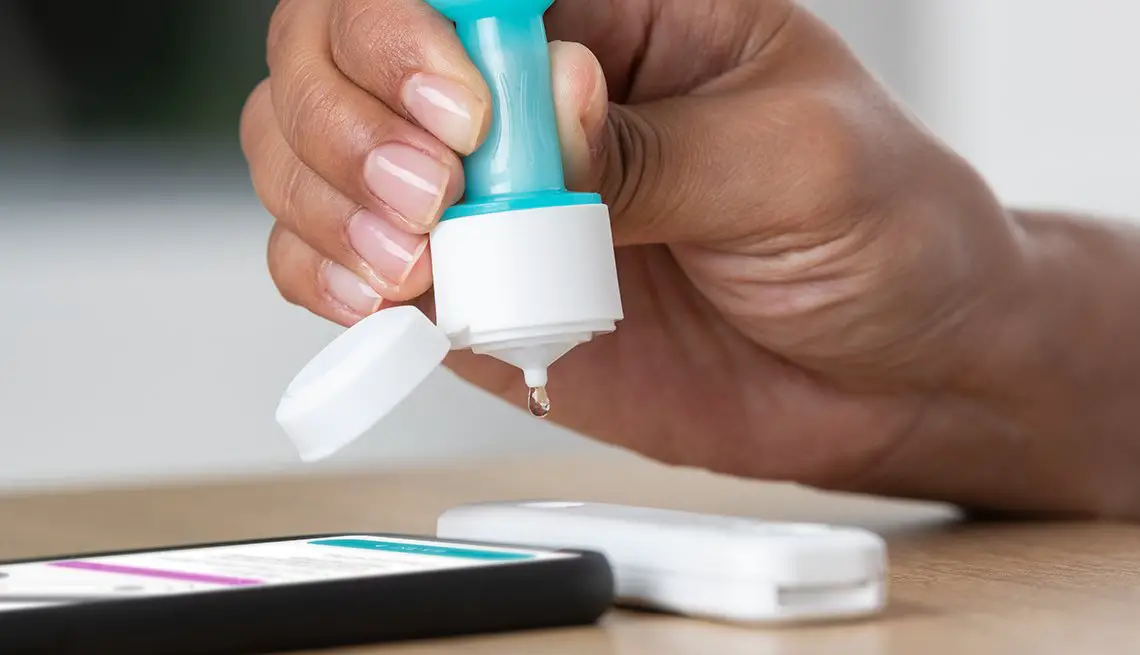
At-home blood testing kits are designed to collect a small biological sample—typically blood from a finger prick, but sometimes saliva, urine, or a cheek swab—that you then mail to a certified laboratory for analysis. Within days or weeks, you receive a detailed digital report, often accessible through a secure online portal or mobile app, outlining various biomarkers relevant to your health.
This model represents a significant shift from traditional, reactive healthcare to a more proactive, data-driven model of wellness. It eliminates numerous barriers, making health monitoring more accessible, discreet, and convenient than ever before.
A. The Compelling Advantages of Home Blood Testing Kits
The popularity of these kits is not without reason. They offer a suite of benefits that align perfectly with modern lifestyles and health-conscious values.
A. Unmatched Convenience and Accessibility: The most obvious advantage is convenience. You can order a kit online, collect your sample at any time that suits you, and ship it from your mailbox. This eliminates the need to schedule doctor’s appointments, take time off work, sit in traffic, or wait in crowded clinics, making it ideal for those with busy schedules or limited mobility.
B. Democratizing Health Information: These kits make advanced health testing available to people in remote areas with limited access to specialized clinics or labs. They also provide an entry point for individuals who might not have comprehensive health insurance covering extensive blood work.
C. Empowerment Through Data: Knowledge is power. By providing direct access to your health data, these kits empower you to become an active participant in your own wellness journey. You can track changes over time, see the impact of lifestyle modifications, and gain a deeper understanding of your body’s unique needs.
D. Enhanced Privacy and Discretion: For those seeking information on sensitive health issues—such as sexually transmitted infections (STIs), fertility, or genetic predispositions—the privacy of an at-home test can be a tremendous relief. It allows for discreet testing and results delivery without face-to-face consultations.
E. Proactive Health Monitoring: Instead of waiting for symptoms to manifest, these kits allow for preventative screening. You can identify potential deficiencies, hormonal imbalances, or metabolic issues early on, enabling you to take corrective action through diet, exercise, or a consultation with a healthcare professional before a minor issue becomes a major problem.
B. Navigating the Limitations and Important Considerations
While powerful, at-home testing is not a perfect substitute for traditional medical care. A responsible user must be aware of its limitations.
A. Risk of User Error: The accuracy of the results hinges on the user’s ability to correctly collect the sample. Inadequate blood volume, improper finger pricking technique, or contamination can lead to inaccurate results or a rejected sample, requiring a re-test.
B. The Absence of Professional Guidance: Ordering a test without a doctor’s input can lead to confusion. You might test for the wrong things, misinterpret what the results mean for your specific context, or experience unnecessary anxiety over a value that is only slightly outside the “normal” range.
C. Potential for Anxiety or “Cyberchondria”: Receiving complex health data without a clinician to provide immediate context can sometimes trigger health anxiety. It’s easy to fall into an internet search spiral, misinterpreting results and assuming the worst-case scenario.
D. Regulatory Landscape and Test Quality: Not all labs are created equal. It’s crucial to ensure the company you choose uses CLIA-certified (Clinical Laboratory Improvement Amendments) and CAP-accredited labs. This ensures the laboratory meets high standards for accuracy and reliability. The FDA regulates many of these tests, but the level of oversight can vary.
E. Cost and Insurance Considerations: Most at-home testing kits are paid for out-of-pocket and are not typically covered by health insurance plans. Comprehensive panels can be expensive, making them a significant investment for some individuals.

C. A Deep Dive into Common Types of At-Home Tests
The market has exploded with options, catering to nearly every aspect of health. Here’s a breakdown of the most popular categories:
A. Hormone and Fertility Testing: These are among the most sought-after kits.
* What they measure: Cortisol (stress hormone), testosterone, estrogen, progesterone, thyroid hormones (TSH, T3, T4), and fertility markers like FSH and AMH (Anti-Müllerian Hormone).
* Ideal for: Women tracking ovulation for conception, individuals experiencing symptoms of low energy, weight gain, low libido, or mood swings, and those monitoring perimenopause or menopause.
B. Metabolic and Cholesterol Panels: A window into your heart health and metabolic function.
* What they measure: Lipid profiles (LDL “bad” cholesterol, HDL “good” cholesterol, triglycerides), blood glucose (sugar), HbA1c (a three-month average of blood sugar), and liver enzymes.
* Ideal for: Individuals with a family history of heart disease or diabetes, those monitoring the impact of dietary changes, or people on a weight management journey.
C. Food Sensitivity and Allergy Testing: It’s vital to understand the difference between an allergy and a sensitivity.
* What they measure: IgG antibody reactivity to a wide range of foods (often cited for sensitivities) or IgE antibodies for true allergic responses. Some also test for celiac disease markers.
* Important Note: IgG food sensitivity tests are controversial in the medical community. While they can provide clues, they should not be the sole basis for an overly restrictive diet. An IgE test for allergies is more clinically definitive.
D. Vitamin and Nutrient Deficiency Screening: Essential for understanding if your body is getting what it needs.
* What they measure: Vitamin D (extremely common deficiency), Vitamin B12, Iron (ferritin), Magnesium, and other key micronutrients.
* Ideal for: Vegans and vegetarians, individuals with digestive issues that may impair absorption, people experiencing chronic fatigue, and those who get limited sun exposure.
E. Sexual Health and STI Testing: The pinnacle of discreet and private health testing.
* What they measure: HIV, Chlamydia, Gonorrhea, Syphilis, Trichomoniasis, and Herpes (HSV).
* Ideal for: Sexually active individuals who want regular check-ups between partners or after potential exposure, providing peace of mind and encouraging responsible sexual health practices.
F. Genetic and DNA Testing: Offering insights into your ancestry, traits, and genetic predispositions.
* What they measure: Genetic markers associated with health conditions like certain cancers, Alzheimer’s disease, or carrier status for genetic disorders. They also provide information on wellness, such as how your body metabolizes caffeine or your predisposition for muscle type.
* Ideal for: Those curious about their ancestry and individuals wanting to understand their genetic health risks to inform lifestyle choices. It is critical to remember these show predispositions, not certainties.
D. How to Choose the Right Kit: A Step-by-Step Buyer’s Guide
With so many options, selecting a kit can be overwhelming. Follow these steps to make an informed decision.
A. Define Your Health Goal: Be specific. Are you struggling with low energy? Look at thyroid and vitamin panels. Are you trying to conceive? A women’s fertility hormone test is your starting point. Don’t order a comprehensive genetic test if you only want to check your Vitamin D levels.
B. Research the Company’s Credentials: This is the most critical step. Only purchase from companies that are transparent about using CLIA-certified and CAP-accredited laboratories. The analysis must be performed by qualified scientists, not in a makeshift lab. Check for reviews and the company’s reputation.
C. Understand What the Kit Includes: Read the fine print. Does the price include both the kit and the lab analysis fee? Is shipping both ways included? Are there any hidden subscription costs? A transparent company will clearly state all costs upfront.
D. Evaluate the Results Platform: The value is in the interpretation. The best companies provide not just a list of numbers, but an easy-to-understand report with charts, graphs, and clear explanations of what each biomarker means. Some even offer telehealth consultations with doctors to review your results.
E. Check the Sample Collection Method: Be honest with yourself about your comfort level. A finger prick test requires drawing a few drops of blood. If you are squeamish, a saliva or urine test might be a better starting point.
F. Review Data Privacy Policies: You are sending your most personal data—your DNA and health information. Scrutinize the company’s privacy policy. Understand what they do with your data, whether they sell or share it with third parties, and how they protect and encrypt it.
E. The Leaderboard: Top Contenders in the At-Home Testing Space
While many companies exist, a few have established themselves as market leaders through quality and innovation.
-
Everlywell: A major player known for its user-friendly platform, wide variety of tests (from metabolism to indoor air quality), and clear results. They use CLIA-certified labs and include a physician’s review of every test ordered.
-
LetsGetChecked: Specializes in more clinical-focused testing, including a wide range of STI panels and tests for conditions like diabetes and heart health. They offer fast result turnaround and support from nurses.
-
InsideTracker: Focuses on performance and longevity. Their panels analyze blood and DNA data to provide personalized recommendations for diet, exercise, and supplements to optimize your biomarkers.
-
23andMe: The giant in direct-to-consumer genetic testing. They offer FDA-approved health predisposition reports for conditions like BRCA1/BRCA2 (selected variants), Parkinson’s, and celiac disease, alongside their renowned ancestry reports.
F. The Journey After the Kit: Interpreting and Acting on Your Results
Your responsibility begins once the results land in your inbox. Here’s how to handle them responsibly.
A. Do Not Self-Diagnose: This cannot be overstated. The results are a piece of the puzzle, not the entire picture. They provide data points that must be interpreted within the context of your full health history, symptoms, and a physical examination.
B. Look for Trends, Not Single Numbers: If you test over time, look for patterns. Is your cholesterol creeping up? Is your Vitamin D level consistently low? Trends are often more telling than a single result that is slightly out of range.
C. Schedule a Consultation with a Healthcare Professional: This is the most important step. Share your results with your primary care physician or a relevant specialist. They can help you understand the clinical significance, order confirmatory tests if needed, and develop a safe, effective, and personalized plan to address any issues. Many testing companies now offer this as a paid add-on service.
D. Use the Data to Inform Lifestyle Changes: If your results show a vitamin deficiency, discuss supplementation with your doctor. If your blood sugar is elevated, you can use that information to make smarter nutritional choices. The power of these kits is to motivate positive, evidence-based change under professional guidance.
Conclusion: Empowering, But Not a Replacement
At-home blood testing kits are a transformative tool in modern healthcare. They have successfully democratized access to health information, fostered a culture of proactive wellness, and empowered millions to engage with their own biology in ways previously unimaginable. They are best viewed as a powerful starting point for a conversation a way to generate valuable data that can inform a deeper dialogue with your healthcare provider.
Embrace them for their convenience and insight, but always anchor their findings in the expertise of a medical professional. Used wisely, these kits can be your partner in building a longer, healthier, and more informed life, putting the future of your health literally at your fingertips.