

In a world characterized by perpetual connectivity, relentless work schedules, and escalating stress levels, a profound shift is occurring in the travel industry. A new revolution is quietly unfolding, one that prioritizes restoration over rambling, slumber over sightseeing, and holistic wellness over hectic itineraries. This paradigm shift is known as Sleep Tourism, a burgeoning sector that is rapidly transforming our very conception of what a vacation should achieve. Moving far beyond the traditional confines of a comfortable hotel bed, sleep tourism represents a comprehensive, multi-billion dollar movement. It integrates advanced sleep science, cutting-edge technology, bespoke wellness practices, and luxurious hospitality into a singular goal: to grant travelers the most elusive and precious commodity of the modern age genuine, restorative, and high-quality sleep. This article delves deep into the mechanisms of this revolution, exploring its origins, the science that fuels it, its global manifestations, and its undeniable impact on the future of travel, wellness, and personal health.
Understanding the Core: What is Sleep Tourism?
Sleep tourism is not merely about sleeping in a foreign location; it is an intentional, curated travel experience designed explicitly to improve a guest’s sleep quality, duration, and overall sleep hygiene. It positions sleep as the primary activity and ultimate luxury, around which all other services revolve. These specialized retreats, hotels, and resorts address the global sleep deprivation epidemic by offering an escape from the environmental and psychological stressors that disrupt natural sleep patterns. The core philosophy is preventative healthcare through superior rest. Travelers are no longer seeking to return home with just souvenirs and photos, but with reset circadian rhythms, learned sustainable habits, and a profound sense of rejuvenation that permeates their daily lives. This market caters to a wide demographic, from overworked executives and burnout sufferers to wellness enthusiasts and anyone feeling the cumulative toll of modern life’s constant demands.
The Catalyst: Why Sleep Tourism is Exploding Now
The meteoric rise of sleep tourism is not a random trend but a direct response to several convergent global phenomena.
A. The Global Sleep Deprivation Crisis: The World Health Organization has labeled sleep loss a global epidemic. Studies consistently show that a significant percentage of adults in industrialized nations fail to achieve the recommended 7-9 hours of quality sleep per night. The consequences impaired cognition, weakened immunity, mental health struggles, and increased risk for chronic diseases have created a desperate market seeking solutions.
B. The Wellness Industry Evolution: Wellness travel has evolved from generic spa visits to highly specialized, results-oriented experiences. Sleep, as the foundational pillar of health, naturally became the next frontier. Consumers are now educated and seek evidence-based interventions, moving from superficial pampering to transformative health investments.
C. Post-Pandemic Recalibration: The COVID-19 pandemic profoundly altered perspectives on health and well-being. It blurred work-life boundaries for many, increased anxiety, and disrupted routines. As travel resumed, there was a marked preference for trips that offered deep recovery and meaningful self-care, propelling sleep-centric getaways to the forefront.
D. Scientific and Technological Advancements: Breakthroughs in sleep science and the proliferation of consumer sleep technology (like Oura rings and Whoop bands) have raised public awareness about personal sleep data. People now understand their sleep stages, HRV, and disturbances, creating demand for professional, hospitality-grade solutions that go beyond what they can achieve at home.
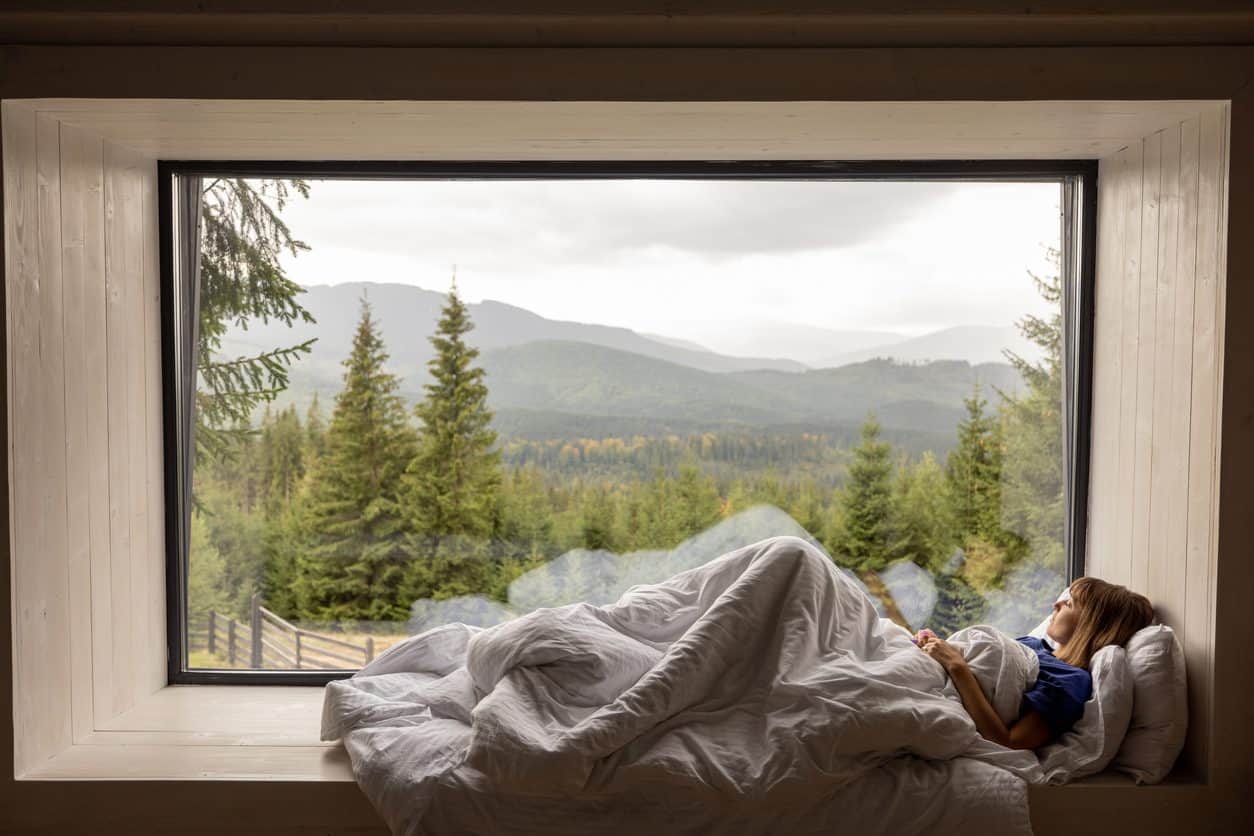
The Science of Slumber: How Sleep Tourism Facilities Optimize Rest
The most successful sleep tourism offerings are grounded in rigorous sleep science. They manipulate the entire sleep environment and guest preparation to trigger the body’s natural sleep mechanisms.
A. The Sleep-Optimized Environment:
-
Acoustic Engineering: Rooms utilize soundproofing materials, white noise machines, or soundscapes tuned to specific frequencies (like pink or brown noise) that mask disruptive external sounds and promote deeper sleep stages.
-
Circadian Lighting: Automated lighting systems mimic the natural solar cycle. They emit blue-enriched light during the day to boost alertness and transition to amber and red tones in the evening to stimulate melatonin production, the sleep hormone.
-
Thermoregulation: Advanced climate control allows for precise temperature management, typically between 60-67°F (15.5-19.5°C), which is scientifically proven to be optimal for initiating and maintaining sleep. Bedding often includes cooling mattresses, pillows, and moisture-wicking fabrics.
-
Air Purification: High-grade HEPA filters and sometimes even oxygen enrichment systems ensure air is free from allergens, pollutants, and particulates, improving respiratory comfort and sleep quality.
B. The Technology Arsenal:
-
Smart Beds: From adjustable bases that alleviate snoring (zero-gravity positions) to beds with sleep tracking sensors that monitor heart rate, respiration, and movement, this technology provides data for personalized recommendations.
-
Sleep Tracking Integration: Facilities may offer professional-grade polysomnography-like tests or seamlessly integrate with guests’ own wearable devices, providing analyzed reports and personalized coaching.
-
Electromagnetic Field (EMF) Reduction: Some high-end retreats shield rooms from EMFs, theorizing that reducing electromagnetic exposure can improve sleep quality, appealing to the biohacking community.
C. The Pre-Sleep Ritual & Amenities:
-
Sleep Concierge Services: Experts curate pre-bedtime routines, which may include guided sleep mediations, breathing exercises (like the 4-7-8 method), or gentle yoga nidra sessions.
-
Specialized Nutrition: Menus feature sleep-promoting foods rich in magnesium, tryptophan, and melatonin think tart cherries, kiwi, nuts, and herbal infusions like valerian root or chamomile. Caffeine and heavy meals are strategically minimized.
-
Hydrotherapy: Access to thermal circuits, magnesium-rich flotation tanks, and warm pools before bed helps lower core body temperature and induce muscular relaxation.
Global Destinations Leading the Sleep Revolution
The sleep tourism model has been adopted and adapted by luxury hospitality brands worldwide, each offering a unique interpretation.
A. Urban Sanctuaries: In bustling metropolises, high-end hotels now feature “sleep floors” or dedicated sanctuary rooms. Examples include Park Hyatt New York’s “Bryte Restorative Sleep Suite,” partnered with a smart bed company, or The Benjamin in NYC, which employs a resident sleep doctor and offers a dedicated sleep menu.
B. Alpine & Nordic Retreats: Leveraging pristine nature and silence, resorts in Switzerland, Iceland, and Finland capitalize on their environments. Switzerland’s Grand Resort Bad Ragaz offers a comprehensive sleep program including diagnostics and therapies, while Finnish Lapland promotes “aurora slumber” under the Northern Lights in glass igloos.
C. Desert & Secluded Havens: Destinations like Utah (**
Amangiri) or the Maldives offer profound silence, minimal light pollution, and vast, serene landscapes that inherently lower stress and anxiety, setting the stage for deep sleep.
D. Dedicated Sleep Retreats: Facilities like **The **
Ultimate Sleep Retreat in the UK or Six Senses properties globally offer structured multi-day programs. These combine sleep education, cognitive behavioral therapy for insomnia (CBT-I) techniques, mindfulness, and personalized treatments to foster long-term habit change.
Beyond the Bed: The Integrated Wellness Ecosystem
True sleep tourism is never just about the bedroom. It is embedded within a holistic wellness ecosystem that supports sleep throughout the day.
A. Daytime Activity Synergy: Itineraries include activities that naturally promote better sleep: mindful nature walks (forest bathing), gentle movement like Tai Chi or restorative yoga, and even digital detox mandates that reduce blue light exposure and mental clutter.
B. Therapeutic Interventions: On-site wellness centers provide complementary treatments such as acupuncture, which can regulate the nervous system; craniosacral therapy for deep relaxation; and targeted massages that release tension held in the sleep-critical muscles of the neck and jaw.
C. Educational Empowerment: A cornerstone of the experience is education. Guests attend workshops on sleep hygiene, stress management, and the neuroscience of sleep, equipping them with practical tools to maintain their improved sleep patterns upon returning home.
The Economic Engine: SEO, AdSense, and Market Viability
For content creators and the industry alike, sleep tourism represents a lucrative niche with high engagement potential.
A. SEO Opportunities: The topic sits at a powerful intersection of high-volume keywords: “wellness travel,” “luxury sleep retreats,” “how to sleep better,” “sleep deprivation solutions,” and “best wellness hotels.” Long-tail keywords like “sleep tourism packages in Europe” or “hotels with sleep tracking technology” attract targeted, high-intent traffic. Creating comprehensive, authoritative content (like this guide) positions a site as a thought leader, earning valuable backlinks and improving domain authority.
B. Google AdSense Revenue: This niche attracts an affluent, problem-aware audience actively researching solutions. This creates a perfect environment for high-value ads from related sectors: mattress companies (Sleep Number, Eight Sleep), wellness supplements (melatonin, magnesium), luxury travel agencies, meditation apps (Calm, Headspace), and wearable tech. High user engagement time on detailed content also improves ad visibility and click-through rates.
C. Market Growth: Analysts project the sleep tourism sector to grow exponentially within the broader wellness tourism market, which is already valued in the trillions. It demonstrates resilience as it is seen as essential, preventative healthcare, not discretionary luxury.
Challenges and Critical Considerations
Despite its promise, the sleep tourism industry faces hurdles.
A. Accessibility and Exclusivity: Currently, these experiences command premium prices, making them inaccessible to many. The challenge is to democratize the principles of sleep tourism into more affordable models.
B. Scientific Validation vs. Marketing Hype: Distinguishing evidence-based offerings from those that simply use “sleep” as a marketing buzzword is crucial for consumer trust. Transparency about the science behind interventions is key.
C. The Sustainability Imperative: The industry must ensure its practices are environmentally sustainable, from the construction of retreats to the sourcing of organic linens and local food, aligning with the values of the conscious traveler.
Conclusion: The Unstoppable Future of Restorative Travel
Sleep tourism is far more than a passing fad; it is a fundamental and necessary correction in how we approach travel, leisure, and health in the 21st century. It acknowledges that the ultimate luxury is not extravagance, but vitality; not mere escape, but profound recovery. As sleep science advances and consumer demand for holistic well-being intensifies, this sector will continue to innovate, diversify, and expand. It promises a future where checking into a hotel could involve a personalized sleep plan designed by an algorithm analyzing your biometrics, where destinations are graded on their acoustic and air quality profiles, and where returning from vacation truly rested, focused, and healthy is the standard expectation. The sleep tourism revolution is not just changing where we go it is transforming how we live, by fundamentally repairing and honoring our most basic biological need. The journey to better health, it seems, begins with a single, perfectly curated night of sleep.