In today’s fast-paced digital era, wellness trends come and go with the speed of a scrolling thumb. Every day, new “hacks,” “rituals,” and “secrets” explode across social media platforms, promising everything from instant calm to boundless energy. But let’s be honest most of them are fleeting fads wrapped in pretty aesthetics. However, amid the noise, certain viral lifestyle tricks have stood the test of real-world application and scientific scrutiny. These are not just influencer gimmicks; they are actionable, sustainable strategies that can genuinely recalibrate your physical, mental, and emotional health. This comprehensive guide dives deep into the most effective viral wellness trends, deconstructing why they work, how to implement them, and the hidden pitfalls to avoid. By the end, you will have a curated toolkit of habits that are both trendy and timeless, ensuring you don’t just chase wellness but actually achieve it.
The Psychology Behind Viral Wellness
Before dissecting specific tricks, it is crucial to understand why certain wellness practices go viral while others fade into obscurity. The human brain is wired for novelty and social validation. When a practice is endorsed by multiple influencers or backed by a compelling before-and-after story, our mirror neurons fire, making us more likely to adopt it. Furthermore, the “bandwagon effect” plays a significant role; if thousands of people claim that a specific morning routine changed their life, we subconsciously want to experience the same transformation. However, virality does not equal efficacy. The most sustainable wellness tricks are those that align with your individual biology, lifestyle, and psychological makeup. Therefore, this article will not only present the trends but also guide you on how to personalize them for maximum benefit.
The Definitive List of Viral Lifestyle Tricks
A. The Morning Hydration Protocol with Electrolytes
One of the most enduring viral trends is the morning hydration ritual, but it has evolved far beyond simply drinking a glass of water. The modern twist involves adding a pinch of high-quality sea salt or a sugar-free electrolyte powder to your first glass of water upon waking. This practice, popularized by biohackers and functional medicine doctors, aims to replenish minerals lost overnight through respiration and perspiration. Why does this matter? Overnight, your body undergoes a mild state of dehydration, which can trigger cortisol spikes and sluggish metabolism. By consuming electrolytes—specifically sodium, potassium, and magnesium—you facilitate rapid cellular absorption, stabilize blood pressure, and prime your nervous system for the day ahead. To implement this, prepare a 16-ounce glass of filtered water at room temperature, add a quarter-teaspoon of Himalayan pink salt or a reputable electrolyte blend, and consume it within the first 10 minutes of waking. Wait at least 30 minutes before consuming caffeine to allow the minerals to fully assimilate. This simple act can dramatically reduce brain fog and enhance physical performance throughout the day.
B. The 4-7-8 Breathing Technique for Instant Calm
In a world that glorifies hustle, anxiety has become a silent epidemic. Enter the 4-7-8 breathing method, a technique developed by Dr. Andrew Weil that went viral for its almost instantaneous calming effects. The mechanics are deceptively simple yet profoundly physiological. You inhale quietly through your nose for a count of four, hold your breath for a count of seven, and exhale audibly through your mouth for a count of eight. This pattern acts as a natural tranquilizer for the nervous system by increasing parasympathetic activation and reducing sympathetic (fight-or-flight) responses. The extended exhalation stimulates the vagus nerve, which triggers a relaxation response, lowers heart rate, and reduces blood pressure. Unlike meditation, which requires extended periods of stillness, the 4-7-8 technique can be performed anywhere in your car, before a stressful meeting, or even in bed to combat insomnia. For optimal results, practice this sequence twice daily: once in the morning to set a calm tone and once before sleep to unwind. Over time, this becomes an automatic coping mechanism for acute stress, making it one of the most valuable viral tricks for mental resilience.
C. The “Phone Fasting” Window
Digital minimalism has emerged as a counter-cultural movement to the constant connectivity of modern life. One specific viral trick is the “phone fasting” window designating a strict 60- to 90-minute period each day completely devoid of screens, particularly upon waking and before sleeping. The science behind this is compelling: blue light emitted from screens suppresses melatonin production, disrupting circadian rhythms and impairing sleep quality. Moreover, the constant influx of notifications keeps your brain in a state of hyperarousal, elevating cortisol levels and fragmenting attention. Implementing a phone fast involves more than just putting your device on silent; it requires placing it in another room or a drawer. During this window, engage in analog activities such as journaling, reading a physical book, stretching, or having a face-to-face conversation. Many adopters report that within just one week, their sleep latency decreases, their morning clarity improves, and their overall anxiety levels drop significantly. This practice not only enhances sleep but also reclaims your cognitive bandwidth, allowing for deeper focus during working hours.
D. The “Lion’s Mane” Mushroom Coffee Swap
Fungus-infused coffee has taken the wellness world by storm, and Lion’s Mane mushroom stands at the forefront of this trend. Unlike conventional coffee, which can induce jitters and energy crashes, Lion’s Mane coffee combines a small dose of caffeine with adaptogenic compounds that support nerve growth factor (NGF). NGF is a protein that plays a critical role in the maintenance, survival, and regeneration of neurons. Viral testimonials claim that this blend enhances focus, memory retention, and creative thinking without the afternoon slump. The trick is not to replace all your coffee but to swap one cup daily—preferably your morning or early afternoon cup. To prepare, dissolve a teaspoon of Lion’s Mane powder into hot water or steamed milk, optionally adding a dash of cinnamon for flavor. It is important to note that this is not a stimulant in the traditional sense; the effects are cumulative. Regular consumption over several weeks may yield noticeable neuroprotective benefits, making it a favorite among entrepreneurs and creatives seeking sustained mental acuity.
E. The Grounding or “Earthing” Practice
Grounding, or earthing, is the practice of physically connecting your body to the earth’s surface electrons by walking barefoot on grass, soil, or sand. This viral trend, supported by emerging research in biophysics, posits that direct contact with the earth neutralizes free radicals and reduces chronic inflammation. The theory is that the earth maintains a negative electrical potential, and when you connect to it, your body absorbs electrons that act as antioxidants. Anecdotal evidence and preliminary studies suggest that grounding can improve sleep, reduce pain, and lower stress markers. The beauty of this practice lies in its simplicity and accessibility. You do not need expensive equipment or a specific location; simply step outside, remove your shoes, and stand or walk for 15 to 20 minutes. For urban dwellers, even a city park or a patch of grass in a backyard suffices. Many combine this with morning sunlight exposure to amplify vitamin D synthesis and circadian alignment, creating a double-benefit ritual. To integrate this into a busy schedule, dedicate the first 15 minutes of your lunch break to barefoot grounding in a nearby green space.
F. The “Gratitude Shower” Visualization
While gratitude journaling is a well-known practice, the viral “gratitude shower” adds a multisensory twist. Instead of simply listing things you are thankful for on paper, you perform this exercise while standing under warm water. The running water serves as a metaphor for washing away negativity, while you mentally recite three specific things you are grateful for. The key is specificity and emotional engagement; rather than saying “I’m grateful for my family,” you visualize a specific moment of laughter or support from the previous day. This practice harnesses the brain’s neuroplasticity, strengthening neural pathways associated with positive affect and reducing the amygdala’s reactivity to stress. The warm water additionally relaxes tense muscles, creating a holistic mind-body state of serenity. For those who find it challenging to maintain a consistent journaling habit, this shower ritual offers a low-barrier entry point. Consistency matters more than duration; even a two-minute session daily can recalibrate your emotional baseline over a month.
G. The “Post-Meal Walk” for Metabolic Health
The post-meal walk has been rebranded as a viral “glucose goddess” hack, thanks to biochemists and fitness influencers who emphasize blood sugar regulation. The logic is grounded in endocrinology: after eating, blood glucose levels rise, triggering an insulin response. A short, low-intensity walk—approximately 10 to 15 minutes—immediately after a meal stimulates glucose uptake by skeletal muscles, effectively flattening the postprandial glucose spike. This reduces the burden on pancreatic beta cells and mitigates the risk of insulin resistance over time. Moreover, walking aids digestion by promoting gastric motility and reducing bloating. The trick is to keep the pace leisurely; a brisk walk may divert blood flow away from the digestive tract, whereas a gentle stroll enhances it. Implementing this is straightforward: after breakfast, lunch, and dinner, set a timer for 12 minutes and walk around your neighborhood, office hallway, or even your living room. Over the course of a week, this small addition can lead to noticeable improvements in energy stability and a reduction in sugar cravings.
H. The “Digital Sunset” Routine
Similar to the phone fasting window, the digital sunset is a more structured approach to winding down. It involves gradually dimming artificial lights and switching all screens to warm-toned “night mode” at least two hours before bedtime. However, the viral iteration goes further by incorporating red-light therapy lamps or blue-light-blocking glasses during the evening. The rationale is that blue light in the 400-490 nanometer range disrupts melatonin production, but red and amber wavelengths do not. By creating a “cave-like” environment—low, warm lighting—you signal to your suprachiasmatic nucleus that it is time for sleep. Many proponents also pair this with a calming evening tea, such as chamomile or valerian root, to enhance the sedative effect. The cumulative impact of a consistent digital sunset is profound: deeper slow-wave sleep, more vivid dreaming, and a drastic reduction in nocturnal awakenings. For maximum efficacy, automate this process using smart bulbs that shift color temperature according to the time of day, removing the need for manual adjustments.
I. The “Somatic Stretch” Break
Somatic stretching has gained massive traction as a response to the sedentary lifestyle epidemic. Unlike static stretching, which involves holding a position, somatic stretching is a form of mindful movement that focuses on internal sensory awareness and gentle contraction-relaxation cycles. The most viral somatic routine is the “cat-cow” spine mobilization, the “pelvic clock,” and the “neck release” sequence, all performed on a floor mat for five minutes every two hours. The purpose is to release chronic muscle tension caused by prolonged sitting and screen hunching. Somatic exercises retrain the nervous system to recognize and release habitual tension patterns, which often go unnoticed until they manifest as pain or stiffness. Practitioners report immediate relief in lower back tightness, shoulder stiffness, and even tension headaches. To incorporate this, set a recurring alert on your smartwatch or computer to pause and perform these stretches. Unlike high-intensity exercise, somatic work does not elevate heart rate significantly, making it suitable for any time of day, including during work hours.
J. The “Protein Pacing” Snacking Strategy
Protein pacing is a nutritional strategy that has gone viral for its efficacy in satiety and muscle preservation. Instead of consuming large protein-heavy meals sporadically, this trick involves ingesting 20 to 30 grams of high-quality protein every three to four hours. This maintains a positive nitrogen balance, stimulates muscle protein synthesis continuously, and stabilizes blood sugar by slowing gastric emptying. The viral component is the emphasis on “pacing” rather than just “increasing” protein. Examples of protein-pacing snacks include Greek yogurt with berries, a hard-boiled egg and cheese stick, or a plant-based protein shake. The advantage is twofold: you avoid the energy crashes associated with high-carb snacks, and you reduce the likelihood of overeating at main meals. For individuals engaged in regular physical activity, this strategy is particularly beneficial for recovery and lean mass retention. It also simplifies meal planning, as you can prep these snacks in advance, ensuring you always have a nutritious option on hand.
The Role of Circadian Alignment
Underpinning many of these viral tricks is the concept of circadian alignment synchronizing your daily activities with your body’s natural 24-hour clock. The morning hydration, grounding, and sunlight exposure all work to set your cortisol awakening response, which should peak within the first hour of waking. Conversely, the phone fasting, digital sunset, and breathing exercises help taper cortisol in the evening, allowing melatonin to rise unimpeded. When these patterns are disrupted through shift work, erratic sleep schedules, or excessive evening screen time the entire hormonal cascade becomes dysregulated. This can lead to mood disorders, metabolic syndrome, and cognitive decline. Therefore, the most impactful lifestyle trick is not a single action but a coherent rhythm that respects the body’s innate biology. Adopting even three of the aforementioned tricks in sequence (morning hydration, grounding, and digital sunset) can create a robust circadian scaffolding that enhances the efficacy of all other wellness practices.
Nutritional Cornerstones That Amplify Results
While behavioral tricks are powerful, they are significantly amplified by proper nutrition. Viral wellness often overlooks the synergistic role of whole foods, but without adequate nutrient density, even the best routines fall flat. Key micronutrients that support the nervous system and metabolic health include magnesium, omega-3 fatty acids, and B-vitamins. Magnesium, found in leafy greens, nuts, and seeds, is essential for over 300 enzymatic reactions, including those that regulate muscle relaxation and neurotransmitter synthesis. Omega-3s, abundant in fatty fish like salmon and sardines, are critical for cell membrane fluidity and reducing neuroinflammation. B-vitamins, particularly B12 and folate, are vital for energy production and DNA repair. A simple viral hack that integrates these is the “rainbow plate” concept—ensuring that each meal contains at least three different colors of vegetables and fruits. This not only provides phytonutrients but also supports gut microbiome diversity, which in turn influences mood and immune function through the gut-brain axis.
The Importance of Consistency Over Intensity
One of the most common pitfalls in adopting viral trends is the all-or-nothing mindset. Many individuals attempt to implement ten new habits simultaneously, only to burn out within a week. The science of habit formation reveals that sustainable change occurs through incremental integration. The brain’s basal ganglia, responsible for automatic behaviors, requires repetition over time to encode new routines. Therefore, the most effective strategy is to select two or three tricks that resonate most with your current lifestyle and practice them daily for at least 30 days. After this consolidation period, you can layer in additional practices. This approach not only prevents cognitive overload but also allows you to accurately assess the effectiveness of each trick. Journaling your progress energy levels, mood scores, sleep quality provides objective feedback, enabling you to fine-tune your wellness regimen to your unique physiology.
Potential Drawbacks and How to Mitigate Them
No wellness trend is without its caveats. Overhydration with electrolytes can lead to hypernatremia in susceptible individuals, particularly those with kidney conditions. Similarly, grounding may not be advisable for those with open wounds or compromised immune systems due to soil-borne pathogens. The 4-7-8 breathing technique, while generally safe, may initially cause lightheadedness in individuals with low blood pressure; it is advisable to perform it while seated rather than standing. Lion’s Mane mushroom, although well-tolerated, may interact with blood-thinning medications or cause digestive upset in high doses. Therefore, it is imperative to exercise personal discernment and, if you have pre-existing health conditions, consult a healthcare professional before making significant lifestyle changes. The viral nature of these trends often glosses over individual variability, but true wellness respects the adage that “one size fits one.”
Integrating Mindfulness into Daily Chores
A subtle yet powerful extension of these viral tricks is the infusion of mindfulness into mundane activities. For example, you can transform dishwashing into a meditative practice by focusing on the sensation of warm water and the scent of soap. Similarly, folding laundry becomes an exercise in gratitude for the clothes you possess. This cognitive reframing reduces the mental burden of chores and increases overall life satisfaction. While not as flashy as a biohacking gadget, this mental shift has been scientifically validated to decrease perceived stress and increase positive affect. In combination with the structured practices mentioned above, it creates a comprehensive wellness ecosystem that extends beyond isolated moments of self-care into a pervasive state of conscious living.
The Social Dimension of Viral Wellness
Interestingly, many viral wellness tricks gain traction because of their social sharing potential. The visual aesthetics of a grounding session on a beach, the steam rising from a Lion’s Mane latte, or the simplicity of a gratitude journal spread across a minimalist desk all contribute to their virality. However, the social dimension also offers accountability and community support. Engaging in online wellness communities can provide motivation, troubleshooting advice, and a sense of belonging. Conversely, it can also foster comparison and unrealistic expectations. The optimal approach is to use social media as a source of inspiration rather than a yardstick for your progress. Remember that behind every curated post is a real person with ups and downs, and your wellness journey is uniquely yours. Celebrate small victories, be patient with setbacks, and remain open to adapting your routine as your life circumstances evolve.
The Long-Term Vision: Beyond Quick Fixes
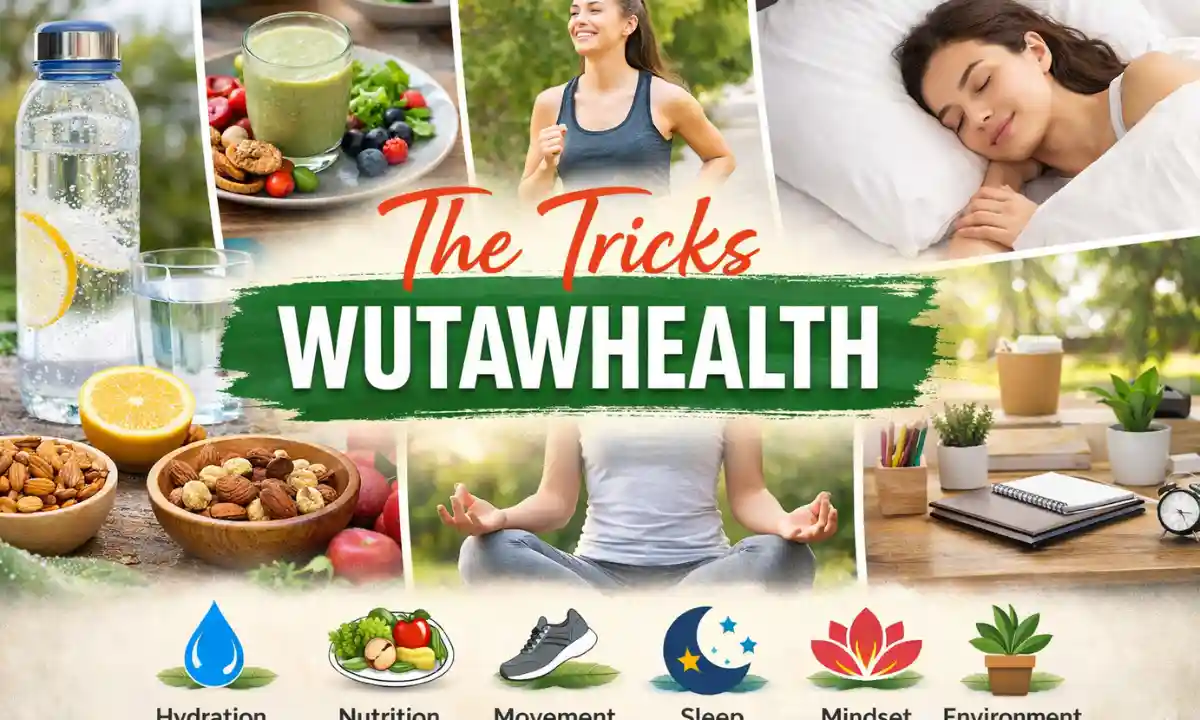
Ultimately, the goal of incorporating viral lifestyle tricks is not to chase the next shiny object but to build a resilient foundation for lifelong health. The practices outlined here—hydration, breathing, digital boundaries, grounding, gratitude, movement, nutrition, and circadian alignment—are not ephemeral; they are rooted in basic human biology that predates modern technology. By revisiting these primal elements and adapting them to contemporary challenges, you create a buffer against the chronic stressors of modern life. The long-term benefits extend beyond physical health to encompass emotional stability, cognitive longevity, and a deeper connection to yourself and your environment. Therefore, approach these tricks with curiosity and commitment, but also with the wisdom to know that wellness is a journey, not a destination.
Conclusion
The world of viral wellness is a double-edged sword brimming with innovative ideas yet littered with superficial gimmicks. However, by critically evaluating and personally testing the trends that have both scientific backing and widespread anecdotal success, you can curate a lifestyle that is both trendy and genuinely transformative. From the simple act of adding electrolytes to your morning water to the profound practice of daily gratitude visualization, each trick offers a unique pathway to enhanced vitality. The key lies in intentionality, consistency, and personalization. As you embark on this journey, remember that the most viral trend of all is the timeless practice of listening to your own body and honoring its needs. In doing so, you transcend the fleeting nature of internet fame and step into the enduring reality of authentic well-being. So, start small, stay consistent, and watch as these tiny shifts compound into monumental changes over time.